
US June job growth expected to slow, Fed rate hike odds in focus

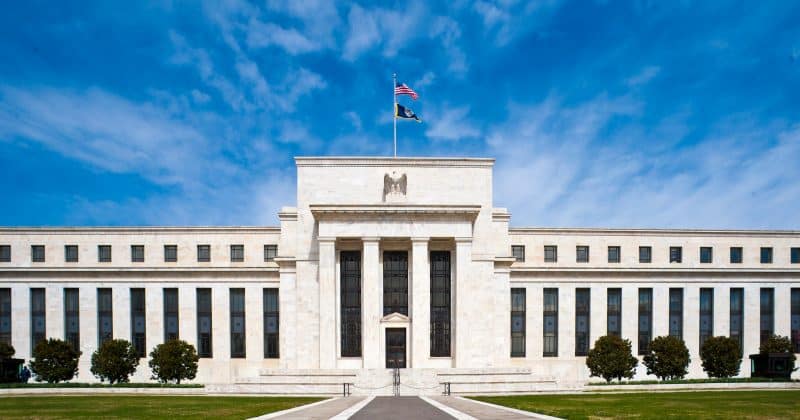
https://en.wikipedia.org/wiki/Eccles_Building

US June job growth expected to slow, Fed rate hike odds in focus

Fed rate hike deadlines

The U.S. Department of Labor is poised to release key economic indicators for June, including nonfarm payrolls, the unemployment rate, average hourly earnings, and weekly initial jobless claims. These data points are significant as they provide insight into the health of the labor market and the broader economy. In May, the U.S. added 172,000 jobs, maintaining an unemployment rate of 4.3% for the third consecutive month. Analysts are forecasting a notable slowdown in June’s job growth with an anticipated increase of 110,000 jobs, which would mark the smallest gain in four months. The unemployment rate is expected to remain unchanged, while average hourly earnings are projected to rise modestly.

Advertisement

Markets are closely scrutinizing these releases, as they may influence the Federal Reserve’s monetary policy decisions. Current prediction markets reflect a 36.5% probability of a rate hike by the September 2026 meeting, with an increase in likelihood observed over the past 24 hours. A strong labor market report could bolster expectations for an earlier rate hike, while weaker data might support the case for holding rates steady.

Key Takeaways

  • June nonfarm payroll data and other labor market indicators are about to be released, potentially impacting market expectations.
  • Current market pricing suggests a 36.5% probability of a rate hike by the September 2026 FOMC meeting.
  • Changes in job growth or wage data could influence the Federal Reserve’s decision-making process regarding future rate hikes.

What to Watch

Watch for any deviations from expectations in the upcoming data that could affect Federal Reserve policy paths. A stronger-than-expected report may indicate a tightening labor market, supportive of a rate hike, whereas weaker data could reinforce a hold on rates at the upcoming meetings. The Federal Reserve’s response to these labor market dynamics will be a key focus in the coming weeks.

Get prediction market intelligence as a structured API feed. Early access waitlist.

Disclosure: This article was edited by Estefano Gomez. For more information on how we create and review content, see our Editorial Policy.

US June job growth expected to slow, Fed rate hike odds in focus

US June job growth expected to slow, Fed rate hike odds in focus

Fed rate hike deadlines

https://en.wikipedia.org/wiki/Eccles_Building

The U.S. Department of Labor is poised to release key economic indicators for June, including nonfarm payrolls, the unemployment rate, average hourly earnings, and weekly initial jobless claims. These data points are significant as they provide insight into the health of the labor market and the broader economy. In May, the U.S. added 172,000 jobs, maintaining an unemployment rate of 4.3% for the third consecutive month. Analysts are forecasting a notable slowdown in June’s job growth with an anticipated increase of 110,000 jobs, which would mark the smallest gain in four months. The unemployment rate is expected to remain unchanged, while average hourly earnings are projected to rise modestly.

Advertisement

Markets are closely scrutinizing these releases, as they may influence the Federal Reserve’s monetary policy decisions. Current prediction markets reflect a 36.5% probability of a rate hike by the September 2026 meeting, with an increase in likelihood observed over the past 24 hours. A strong labor market report could bolster expectations for an earlier rate hike, while weaker data might support the case for holding rates steady.

Key Takeaways

  • June nonfarm payroll data and other labor market indicators are about to be released, potentially impacting market expectations.
  • Current market pricing suggests a 36.5% probability of a rate hike by the September 2026 FOMC meeting.
  • Changes in job growth or wage data could influence the Federal Reserve’s decision-making process regarding future rate hikes.

What to Watch

Watch for any deviations from expectations in the upcoming data that could affect Federal Reserve policy paths. A stronger-than-expected report may indicate a tightening labor market, supportive of a rate hike, whereas weaker data could reinforce a hold on rates at the upcoming meetings. The Federal Reserve’s response to these labor market dynamics will be a key focus in the coming weeks.

Get prediction market intelligence as a structured API feed. Early access waitlist.

Disclosure: This article was edited by Estefano Gomez. For more information on how we create and review content, see our Editorial Policy.