
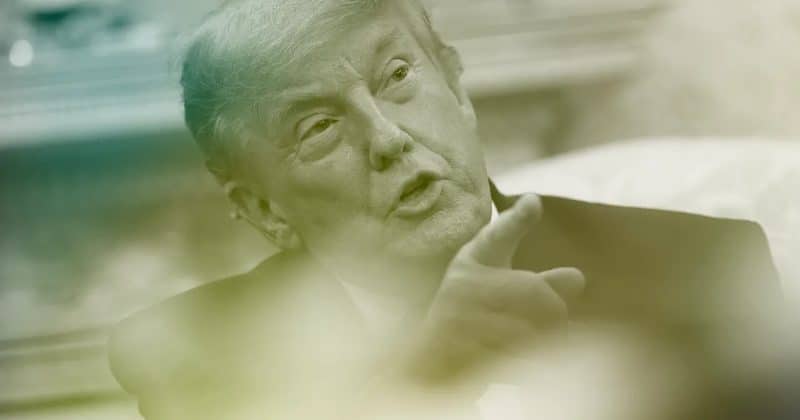
US government to lift CAATSA sanctions on Turkey, says Trump
The move could reshape defense trade flows and broader market sentiment as Washington and Ankara inch toward a geopolitical reset worth watching.
President Donald Trump has signaled that the US will lift CAATSA sanctions on Turkey, a move that would end a nearly six-year standoff rooted in Ankara’s decision to buy Russian S-400 air defense systems.
The sanctions, originally imposed on December 14, 2020, were Washington’s punishment for Turkey completing a $2.5 billion deal with Russia’s Rosoboronexport. The US banned export licenses to Turkey’s defense sector, froze assets of key officials, and kicked Turkey out of the F-35 fighter jet program entirely.
How we got here
CAATSA, or the Countering America’s Adversaries Through Sanctions Act, was designed to penalize countries doing significant business with Russia’s defense sector. Turkey triggered Section 231 of the law by going ahead with the S-400 purchase.
Turkey’s Presidency of Defense Industries and several senior officials were directly targeted. The removal from the F-35 program represented a strategic and economic blow, cutting Turkish defense manufacturers out of a supply chain they had spent years integrating into.
Diplomatic thawing began in earnest after a White House meeting in September 2025, where both nations’ cabinets were reportedly instructed to explore pathways for lifting the sanctions. Turkish Foreign Minister Hakan Fidan confirmed on July 3 that President Recep Tayyip Erdogan and Trump share a “strong will” to resolve the issue.
Macro, rates, and crypto—what moved markets and what matters next.
Daily. Free. Join 34,000+ readers across crypto, finance, and policy.
Trump’s latest comments on July 7 voiced optimism about halting the sanctions soon, which tracks with a broader timeline Fidan outlined back in March: the goal has been to get this resolved before US midterm elections in November.
The geopolitical chess board
Israel has reportedly expressed opposition to lifting the sanctions, adding another variable to an already complex equation.
What this means for investors
Lifting CAATSA sanctions would reopen export licenses, enable potential reintegration into joint defense programs, and renew military technology trade that has been frozen for years. US defense contractors previously barred from selling to Turkey’s defense sector would have a new customer back on the table. Turkish defense companies that developed indigenous capabilities during the sanctions period could find new partnership opportunities.
Investors should watch for the formal announcement and any conditions attached to the lifting. A clean removal would be most bullish for risk assets. A conditional or phased approach would suggest more negotiation ahead.