
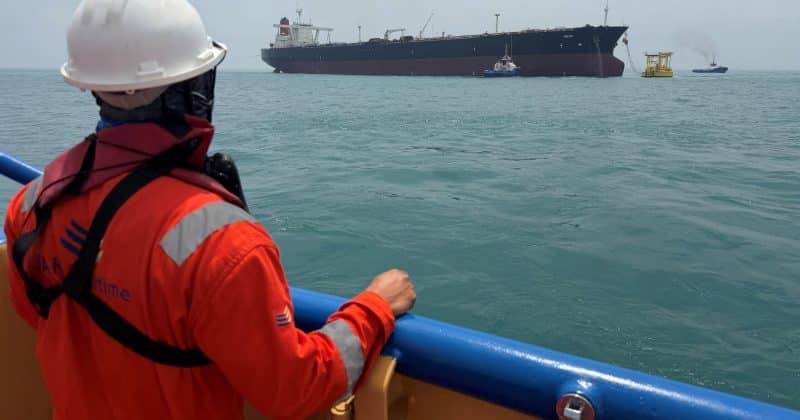
US lifts Iran blockade as Hormuz traffic resumes
The end of a naval standoff that saw Iran charging $2 million per vessel in Bitcoin and USDT to navigate the Strait of Hormuz


The US naval blockade on Iranian ports is over, clearing the way for maritime traffic to resume under the interim agreement signed by Washington and Tehran.
Today, U.S. forces lifted the blockade on all maritime traffic entering and exiting Iranian ports and coastal areas, in accordance with the President's direction. American forces are not impeding the transit of vessels to or from Iranian ports on the Arabian Gulf and Gulf of…
— U.S. Central Command (@CENTCOM) June 18, 2026
US forces have stopped impeding vessels entering and exiting Iranian ports and coastal areas, according to a statement issued after President Donald Trump directed the blockade to be lifted. American naval forces will remain in the region to monitor compliance with the agreement.
The move follows the signing of an interim US Iran memorandum of understanding that took immediate effect this week. The agreement calls for a mutual halt to military operations, the lifting of the US blockade, and free commercial passage through the Strait of Hormuz for 60 days while both sides negotiate a broader deal.
The news moving money, markets, and the world—before your day starts.
Daily. Free. Join 34,000+ readers across crypto, finance, and policy.
Pakistan helped mediate the agreement, according to Reuters and AP. The White House has sent the text of the deal to Congress, while US officials said the 60 day negotiating period has begun.
Shipping has already started to move again. AP reported that more than a dozen ships were allowed to access Iranian ports after the blockade was lifted, while oil flows through the Strait of Hormuz began recovering.