
US military strikes 90 targets in Iran as crypto markets slide into risk-off mode

US military strikes 90 targets in Iran as crypto markets slide into risk-off mode

Bitcoin and Ethereum dropped over 2% as the US-Iran conflict escalated with retaliatory strikes across the Persian Gulf region.

The US just bombed 90 military targets inside Iran, and crypto markets did exactly what you’d expect when bombs start falling near the world’s most important oil chokepoint: they went down.

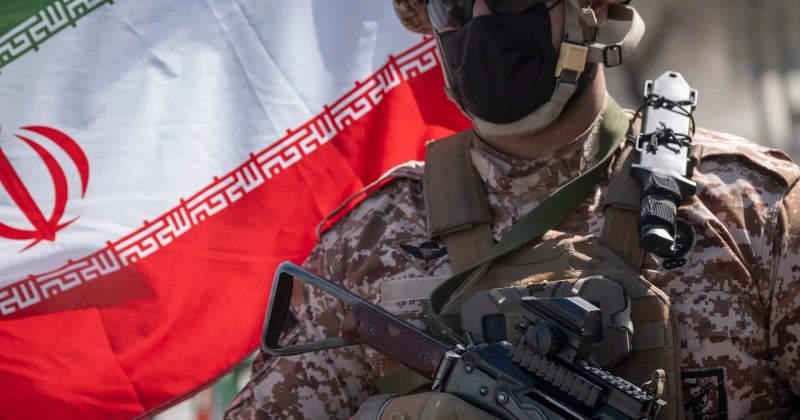
US Central Command launched the strikes after President Trump declared the interim ceasefire with Tehran “over” on July 8, 2026. The targets reportedly included air defense systems, naval capabilities, and logistics infrastructure along the Iranian coastline. Iran responded by hitting US-linked military bases in Kuwait, Bahrain, and Qatar. Bitcoin, Ethereum, and XRP all dropped more than 2% in the immediate aftermath.

What happened and why it matters

Trump ended the interim deal with Iran after Tehran’s forces attacked commercial shipping in the Strait of Hormuz, a waterway that handles roughly a fifth of the world’s oil supply. This latest round of approximately 90 targets follows a prior wave that hit around 80 targets.

Advertisement

The broader conflict traces back to Trump’s withdrawal from the JCPOA, the Obama-era nuclear deal, in 2018. Since then, the relationship between Washington and Tehran has been a cycle of sanctions, provocations, ceasefires that don’t hold, and negotiations that don’t conclude.

Iran’s retaliatory strikes on US-linked bases in Kuwait, Bahrain, and Qatar mean this conflict is no longer contained to Iranian territory and surrounding waters.

The crypto market reaction

Bitcoin, Ethereum, and XRP all shed more than 2% as the strikes unfolded. The sell-off happened fast, driven by the same risk-off reflex that sent oil prices climbing.

Rising oil prices compound the problem. Higher energy costs feed into inflation expectations, which feed into expectations of tighter monetary policy. Expensive oil makes the Fed less likely to cut rates, and rate cuts are rocket fuel for risk assets.

What investors should be watching

Traders should watch three things closely. First, whether Iran’s retaliatory strikes on Gulf state bases draw those countries deeper into the conflict. Second, whether oil prices stabilize or continue climbing, since that’s the transmission mechanism to broader financial markets. Third, any signals from the Federal Reserve about how energy-driven inflation might affect rate decisions.

Disclosure: This article was edited by Editorial Team. For more information on how we create and review content, see our Editorial Policy.

US military strikes 90 targets in Iran as crypto markets slide into risk-off mode

US military strikes 90 targets in Iran as crypto markets slide into risk-off mode

Bitcoin and Ethereum dropped over 2% as the US-Iran conflict escalated with retaliatory strikes across the Persian Gulf region.

The US just bombed 90 military targets inside Iran, and crypto markets did exactly what you’d expect when bombs start falling near the world’s most important oil chokepoint: they went down.

US Central Command launched the strikes after President Trump declared the interim ceasefire with Tehran “over” on July 8, 2026. The targets reportedly included air defense systems, naval capabilities, and logistics infrastructure along the Iranian coastline. Iran responded by hitting US-linked military bases in Kuwait, Bahrain, and Qatar. Bitcoin, Ethereum, and XRP all dropped more than 2% in the immediate aftermath.

What happened and why it matters

Trump ended the interim deal with Iran after Tehran’s forces attacked commercial shipping in the Strait of Hormuz, a waterway that handles roughly a fifth of the world’s oil supply. This latest round of approximately 90 targets follows a prior wave that hit around 80 targets.

Advertisement

The broader conflict traces back to Trump’s withdrawal from the JCPOA, the Obama-era nuclear deal, in 2018. Since then, the relationship between Washington and Tehran has been a cycle of sanctions, provocations, ceasefires that don’t hold, and negotiations that don’t conclude.

Iran’s retaliatory strikes on US-linked bases in Kuwait, Bahrain, and Qatar mean this conflict is no longer contained to Iranian territory and surrounding waters.

The crypto market reaction

Bitcoin, Ethereum, and XRP all shed more than 2% as the strikes unfolded. The sell-off happened fast, driven by the same risk-off reflex that sent oil prices climbing.

Rising oil prices compound the problem. Higher energy costs feed into inflation expectations, which feed into expectations of tighter monetary policy. Expensive oil makes the Fed less likely to cut rates, and rate cuts are rocket fuel for risk assets.

What investors should be watching

Traders should watch three things closely. First, whether Iran’s retaliatory strikes on Gulf state bases draw those countries deeper into the conflict. Second, whether oil prices stabilize or continue climbing, since that’s the transmission mechanism to broader financial markets. Third, any signals from the Federal Reserve about how energy-driven inflation might affect rate decisions.

Disclosure: This article was edited by Editorial Team. For more information on how we create and review content, see our Editorial Policy.