
US notifies Israel ahead of reported attack on Iran, sending Bitcoin into familiar territory

US notifies Israel ahead of reported attack on Iran, sending Bitcoin into familiar territory

The latest escalation in the ongoing Iran conflict continues to test crypto markets' resilience to geopolitical shocks.

The US informed Israel ahead of its latest reported military strike on Iran, continuing a pattern of coordinated operations between the two allies that has defined the 2026 Iran conflict.

The notification underscores the depth of US-Israeli military coordination that has been on full display since joint airstrikes began earlier this year.

A conflict that keeps escalating

The current chapter of US-Iranian hostilities has been building for over a year. Israeli strikes on Iranian targets date back to mid-2025, but the situation crossed a new threshold on February 28, 2026.

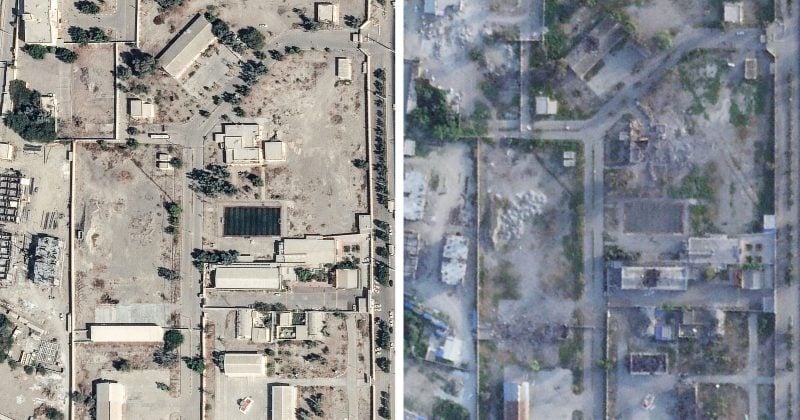
That day, the US and Israel launched a coordinated air campaign that saw nearly 900 strikes over 12 hours. The US called it “Operation Epic Fury.” Israel went with “Operation Roaring Lion.” The damage was real, hitting Iranian military sites across the country.

The catalyst was Iran’s escalating nuclear ambitions and its aggressive posture in the Strait of Hormuz. Roughly a fifth of the world’s oil passes through it on any given day.

Advertisement

A ceasefire followed in June 2026, formalized through a memorandum of understanding that was supposed to reopen the Strait and dial down tensions.

By July 7, the US was back at it, launching retaliatory strikes on more than 80 targets in southern Iran after Iranian forces attacked commercial tankers. The latest notification to Israel suggests the cycle of escalation is far from over.

What this has meant for Bitcoin

When the February strikes hit, Bitcoin sold off. Prices dropped roughly 3%, briefly trading in the $63,000 to $64,700 range as investors rotated out of risk assets.

When the July strikes came, crypto markets barely flinched. The lack of reaction suggests either that traders had already priced in sustained Middle Eastern conflict or that the market’s sensitivity to these events is decaying over time.

The macro picture investors can’t ignore

Oil prices remain the primary transmission mechanism between Middle Eastern conflict and global markets. Any sustained disruption to Strait of Hormuz traffic would send energy prices sharply higher, which feeds into inflation expectations, which in turn shapes central bank policy.

The February sell-off demonstrated this logic in compressed form. Bitcoin’s 3% drop came alongside a broader risk-off move that hit equities and other speculative assets too.

What to watch from here

The US notifying Israel before strikes signals that whatever is coming next is coordinated rather than impulsive.

For crypto investors, several factors deserve close attention. First, watch oil prices. If Brent crude spikes above recent ranges on any new escalation, that’s your early warning signal for broader risk-asset pressure.

Second, monitor stablecoin flows. During the February strikes, there were signs of capital rotating from volatile crypto assets into stablecoins as a temporary safe harbor.

The June ceasefire’s collapse should be a reminder that diplomatic solutions in this conflict have an expiration date measured in weeks, not years.

Disclosure: This article was edited by Editorial Team. For more information on how we create and review content, see our Editorial Policy.

US notifies Israel ahead of reported attack on Iran, sending Bitcoin into familiar territory

US notifies Israel ahead of reported attack on Iran, sending Bitcoin into familiar territory

The latest escalation in the ongoing Iran conflict continues to test crypto markets' resilience to geopolitical shocks.

The US informed Israel ahead of its latest reported military strike on Iran, continuing a pattern of coordinated operations between the two allies that has defined the 2026 Iran conflict.

The notification underscores the depth of US-Israeli military coordination that has been on full display since joint airstrikes began earlier this year.

A conflict that keeps escalating

The current chapter of US-Iranian hostilities has been building for over a year. Israeli strikes on Iranian targets date back to mid-2025, but the situation crossed a new threshold on February 28, 2026.

That day, the US and Israel launched a coordinated air campaign that saw nearly 900 strikes over 12 hours. The US called it “Operation Epic Fury.” Israel went with “Operation Roaring Lion.” The damage was real, hitting Iranian military sites across the country.

The catalyst was Iran’s escalating nuclear ambitions and its aggressive posture in the Strait of Hormuz. Roughly a fifth of the world’s oil passes through it on any given day.

Advertisement

A ceasefire followed in June 2026, formalized through a memorandum of understanding that was supposed to reopen the Strait and dial down tensions.

By July 7, the US was back at it, launching retaliatory strikes on more than 80 targets in southern Iran after Iranian forces attacked commercial tankers. The latest notification to Israel suggests the cycle of escalation is far from over.

What this has meant for Bitcoin

When the February strikes hit, Bitcoin sold off. Prices dropped roughly 3%, briefly trading in the $63,000 to $64,700 range as investors rotated out of risk assets.

When the July strikes came, crypto markets barely flinched. The lack of reaction suggests either that traders had already priced in sustained Middle Eastern conflict or that the market’s sensitivity to these events is decaying over time.

The macro picture investors can’t ignore

Oil prices remain the primary transmission mechanism between Middle Eastern conflict and global markets. Any sustained disruption to Strait of Hormuz traffic would send energy prices sharply higher, which feeds into inflation expectations, which in turn shapes central bank policy.

The February sell-off demonstrated this logic in compressed form. Bitcoin’s 3% drop came alongside a broader risk-off move that hit equities and other speculative assets too.

What to watch from here

The US notifying Israel before strikes signals that whatever is coming next is coordinated rather than impulsive.

For crypto investors, several factors deserve close attention. First, watch oil prices. If Brent crude spikes above recent ranges on any new escalation, that’s your early warning signal for broader risk-asset pressure.

Second, monitor stablecoin flows. During the February strikes, there were signs of capital rotating from volatile crypto assets into stablecoins as a temporary safe harbor.

The June ceasefire’s collapse should be a reminder that diplomatic solutions in this conflict have an expiration date measured in weeks, not years.

Disclosure: This article was edited by Editorial Team. For more information on how we create and review content, see our Editorial Policy.