Nexo Earn with Nexo
US government rejects Iran state media report on Hormuz peace deal

US government rejects Iran state media report on Hormuz peace deal

Washington dismisses Iranian claims of a draft agreement to reopen the Strait of Hormuz, even as both sides acknowledge ongoing negotiations over the strategic waterway.

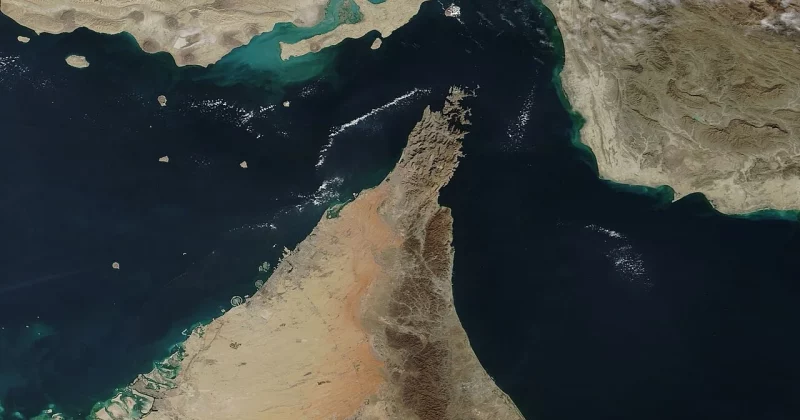
The White House has rejected an Iranian state media report claiming a draft peace deal exists to reopen the Strait of Hormuz, the narrow chokepoint through which roughly a fifth of the world’s oil supply passes daily. The dismissal adds another layer of confusion to what has become one of the most consequential, and most contradictory, diplomatic standoffs of the year.

Iran’s Fars News Agency had published claims of a draft agreement that would require the Strait’s reopening within 30 days. Washington’s response was blunt: not accurate.

Two sides, two very different stories

President Donald Trump announced on May 23 that a deal with Iran had been “largely negotiated,” including provisions to reopen the Strait of Hormuz.

Iranian officials have insisted on maintaining sovereignty and management over the Strait, pushing back against what they characterize as US attempts to dictate terms over a waterway that borders Iranian territory. Tehran has described US proposals as “totally unacceptable.” Trump has used the exact same phrase to describe Iran’s counterproposals.

Advertisement

The proposals currently under discussion, as reported on May 24, include extending the existing ceasefire for 60 days, clearing mines from the waterway, and lifting the US naval blockade against Iranian ports. Iran’s nuclear program has reportedly been pushed to future rounds of talks.

Pakistan has been serving as a partial mediator in the discussions.

The crypto angle no one expected

In April 2026, Iranian entities began seeking transit fees from maritime traffic passing through the Strait, with some reports indicating that Bitcoin and Tether were being explored as payment mechanisms for those fees.

Sanctions have long cut Iran off from traditional financial rails. SWIFT access is restricted, correspondent banking relationships are limited, and dollar-denominated transactions are effectively blocked. Cryptocurrency, particularly stablecoins like Tether that maintain a peg to the US dollar, offers a workaround.

What this means for investors

The Strait of Hormuz is not just a geopolitical flashpoint. It’s a pricing mechanism. When the Strait is open and stable, oil flows freely and energy prices reflect supply-and-demand fundamentals. When it’s contested, a risk premium gets baked into every barrel.

Traders should also consider the information asymmetry at play. When state media on one side publishes claims that the other side immediately rejects, it creates short-term volatility in energy markets. Those energy market moves cascade into equity and crypto markets within hours.

No definitive agreement has been reached as of late May 2026.

Disclosure: This article was edited by Editorial Team. For more information on how we create and review content, see our Editorial Policy.

US government rejects Iran state media report on Hormuz peace deal

US government rejects Iran state media report on Hormuz peace deal

Washington dismisses Iranian claims of a draft agreement to reopen the Strait of Hormuz, even as both sides acknowledge ongoing negotiations over the strategic waterway.

The White House has rejected an Iranian state media report claiming a draft peace deal exists to reopen the Strait of Hormuz, the narrow chokepoint through which roughly a fifth of the world’s oil supply passes daily. The dismissal adds another layer of confusion to what has become one of the most consequential, and most contradictory, diplomatic standoffs of the year.

Iran’s Fars News Agency had published claims of a draft agreement that would require the Strait’s reopening within 30 days. Washington’s response was blunt: not accurate.

Two sides, two very different stories

President Donald Trump announced on May 23 that a deal with Iran had been “largely negotiated,” including provisions to reopen the Strait of Hormuz.

Iranian officials have insisted on maintaining sovereignty and management over the Strait, pushing back against what they characterize as US attempts to dictate terms over a waterway that borders Iranian territory. Tehran has described US proposals as “totally unacceptable.” Trump has used the exact same phrase to describe Iran’s counterproposals.

Advertisement

The proposals currently under discussion, as reported on May 24, include extending the existing ceasefire for 60 days, clearing mines from the waterway, and lifting the US naval blockade against Iranian ports. Iran’s nuclear program has reportedly been pushed to future rounds of talks.

Pakistan has been serving as a partial mediator in the discussions.

The crypto angle no one expected

In April 2026, Iranian entities began seeking transit fees from maritime traffic passing through the Strait, with some reports indicating that Bitcoin and Tether were being explored as payment mechanisms for those fees.

Sanctions have long cut Iran off from traditional financial rails. SWIFT access is restricted, correspondent banking relationships are limited, and dollar-denominated transactions are effectively blocked. Cryptocurrency, particularly stablecoins like Tether that maintain a peg to the US dollar, offers a workaround.

What this means for investors

The Strait of Hormuz is not just a geopolitical flashpoint. It’s a pricing mechanism. When the Strait is open and stable, oil flows freely and energy prices reflect supply-and-demand fundamentals. When it’s contested, a risk premium gets baked into every barrel.

Traders should also consider the information asymmetry at play. When state media on one side publishes claims that the other side immediately rejects, it creates short-term volatility in energy markets. Those energy market moves cascade into equity and crypto markets within hours.

No definitive agreement has been reached as of late May 2026.

Disclosure: This article was edited by Editorial Team. For more information on how we create and review content, see our Editorial Policy.