
US revokes Iran oil sale authorization after tanker attacks, sending crude prices surging
The move unwinds a two-week-old interim deal and reignites sanctions pressure on Tehran, with ripple effects hitting energy markets and crypto alike.
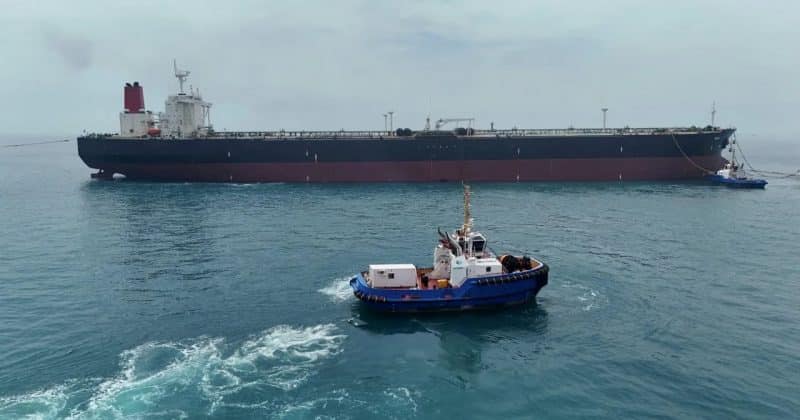
The US Treasury Department pulled the plug on Iran’s temporary license to sell oil and petrochemical products on July 7, just 15 days after granting it. The trigger: attacks on three commercial vessels in or near the Strait of Hormuz, the narrow waterway through which roughly a fifth of the world’s oil supply passes daily.
Oil prices responded the way oil prices tend to respond when someone starts shooting near the world’s most important shipping lane. Crude surged approximately 5-6% on the news.
What happened and why it matters
The general license was originally issued on June 22, 2026, as part of an interim US-Iran memorandum of understanding designed to de-escalate months of conflict that had been building since February.
The attacks targeted a Qatari LNG tanker and a Saudi crude tanker, among other vessels, disrupting commercial navigation in Omani waters. US officials linked the incidents directly to Iran and called them a significant violation of the memorandum of understanding.
The revocation takes effect immediately for new transactions. Deals that were already authorized under the old license get a wind-down period extending until July 17, giving counterparties a narrow window to close out existing commitments without running afoul of US sanctions.
Macro, rates, and crypto—what moved markets and what matters next.
Daily. Free. Join 34,000+ readers across crypto, finance, and policy.
Iran’s Foreign Ministry condemned the revocation as a violation of the interim agreement, essentially arguing that Washington was the one breaking the deal.
The crypto connection runs deeper than you’d think
Iran has historically turned to digital currencies as a workaround when traditional financial channels get blocked by sanctions. In early June 2026, the US sanctioned Nobitex, Iran’s largest cryptocurrency exchange, over alleged ties to the Islamic Revolutionary Guard Corps.
The one-two punch of revoking oil sale authorization and targeting crypto infrastructure simultaneously represents a more comprehensive approach to economic pressure. The sanctioning of Nobitex also sets a precedent that other exchanges in sanctioned jurisdictions should be watching carefully. Compliance costs across the industry could rise as exchanges worldwide tighten their screening to avoid being caught in the crossfire.
What this means for markets and investors
The immediate market impact is concentrated in energy. A 5-6% surge in oil prices in a single session is the kind of move that cascades through everything from airline stocks to consumer inflation expectations.
The wind-down period expires on July 17. That date is now circled on every energy trader’s calendar. Whatever happens between now and then will set the tone for oil markets and risk appetite heading into the second half of the year.