
US revokes Iran oil waivers after attacks in Strait of Hormuz

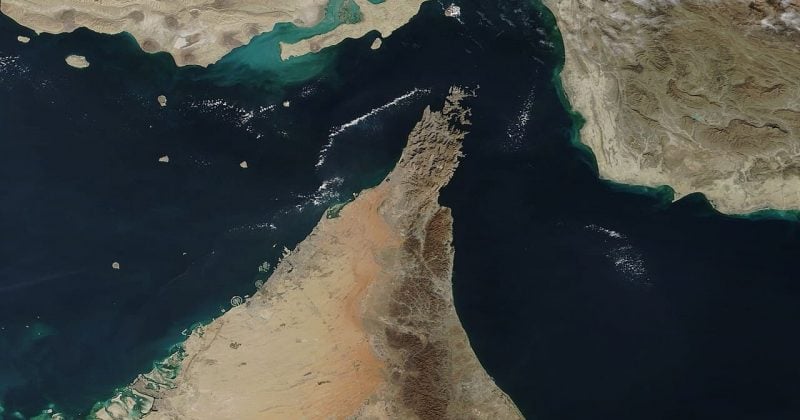
https://en.wikipedia.org/wiki/Strait_of_Hormuz

US revokes Iran oil waivers after attacks in Strait of Hormuz

WTI crude oil prices in July 2026

The United States has revoked oil sanctions waivers for Iran following recent attacks in the Strait of Hormuz. This decision comes after Iranian forces targeted two commercial vessels, including a Qatari LNG tanker, on July 7. The revocation ends a temporary 60-day sanctions relief that had allowed some dollar-based transactions of Iranian oil. Market observers suggest this move is part of a broader strategy to reimpose “maximum pressure” on Iran, aimed at curbing its nuclear program and regional activities. The revocation is expected to impact global oil prices, given the strategic importance of the Strait of Hormuz for oil transportation.

Advertisement

Key Takeaways

  • The revocation of oil waivers appears to indicate a significant escalation in U.S.-Iran tensions.
  • Market pricing suggests participants are preparing for potential disruptions in oil supply, as indicated by increased probability of price hikes.
  • Observers suggest that the move could lead to higher oil prices due to the strategic importance of the Strait of Hormuz.

What to Watch

Key developments to monitor include any further military actions in the Strait of Hormuz, which could affect oil transportation and prices. Statements from the U.S. administration and Iranian officials could provide insights into the potential for further escalation or de-escalation. Additionally, moves by international bodies such as OPEC+ in response to these developments will be crucial in understanding the broader impact on oil markets.

Get prediction market intelligence as a structured API feed. Early access waitlist.

Disclosure: This article was edited by Estefano Gomez. For more information on how we create and review content, see our Editorial Policy.

US revokes Iran oil waivers after attacks in Strait of Hormuz

US revokes Iran oil waivers after attacks in Strait of Hormuz

WTI crude oil prices in July 2026

https://en.wikipedia.org/wiki/Strait_of_Hormuz

The United States has revoked oil sanctions waivers for Iran following recent attacks in the Strait of Hormuz. This decision comes after Iranian forces targeted two commercial vessels, including a Qatari LNG tanker, on July 7. The revocation ends a temporary 60-day sanctions relief that had allowed some dollar-based transactions of Iranian oil. Market observers suggest this move is part of a broader strategy to reimpose “maximum pressure” on Iran, aimed at curbing its nuclear program and regional activities. The revocation is expected to impact global oil prices, given the strategic importance of the Strait of Hormuz for oil transportation.

Advertisement

Key Takeaways

  • The revocation of oil waivers appears to indicate a significant escalation in U.S.-Iran tensions.
  • Market pricing suggests participants are preparing for potential disruptions in oil supply, as indicated by increased probability of price hikes.
  • Observers suggest that the move could lead to higher oil prices due to the strategic importance of the Strait of Hormuz.

What to Watch

Key developments to monitor include any further military actions in the Strait of Hormuz, which could affect oil transportation and prices. Statements from the U.S. administration and Iranian officials could provide insights into the potential for further escalation or de-escalation. Additionally, moves by international bodies such as OPEC+ in response to these developments will be crucial in understanding the broader impact on oil markets.

Get prediction market intelligence as a structured API feed. Early access waitlist.

Disclosure: This article was edited by Estefano Gomez. For more information on how we create and review content, see our Editorial Policy.