
Nexo Earn with Nexo
US sanctions Nobitex, Iran’s largest cryptocurrency exchange

US sanctions Nobitex, Iran’s largest cryptocurrency exchange

Treasury targets four Iranian crypto platforms under 'Economic Fury' campaign, cutting off channels that processed billions for sanctioned entities.

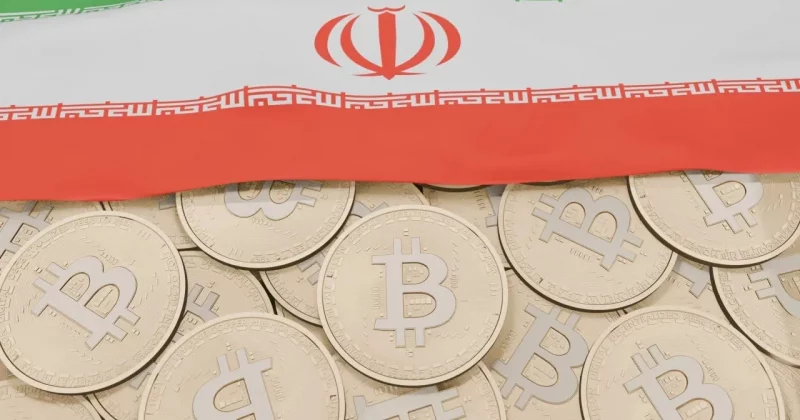
The US Treasury just took a sledgehammer to Iran’s crypto infrastructure. On June 2, the Office of Foreign Assets Control designated Nobitex, Iran’s largest digital asset exchange, alongside three other platforms, in a move designed to choke off one of the regime’s most important financial lifelines.

Nobitex alone handled over 50% of all Iranian digital asset inflows in 2025. More than half of every crypto dollar flowing into Iran passed through a single exchange that the US government says has direct ties to the regime’s inner circle.

Four exchanges, one message

OFAC didn’t stop at Nobitex. The designations, issued under Executive Orders 13224 and 13902, also hit Wallex, Bitpin, and Ramzinex.

Wallex accounted for 12% of total Iranian crypto inflows in 2025. Bitpin handled 10%. Ramzinex has historically processed over $2.45B in digital assets. And Nobitex, at its peak, managed roughly 70% of Iran’s entire digital asset activity with approximately 11 million users.

Advertisement

The action falls under the Trump administration’s “Economic Fury” campaign, a sanctions escalation strategy designed to pressure Tehran into negotiations.

Stablecoins, sanctioned generals, and the Supreme Leader’s inner circle

According to Treasury findings, Nobitex facilitated hundreds of millions in stablecoins for the Central Bank of Iran. Reports from May 2026 indicated the platform processed at least $2.3B since 2023 for sanctioned Iranian entities, including the Islamic Revolutionary Guard Corps, which the US has designated as a foreign terrorist organization.

The exchange’s founders are reportedly tied to Supreme Leader Khamenei’s inner circle. Nobitex relied heavily on networks like Tron and BNB Chain for its operations.

In June 2025, a pro-Israel hacking group called Predatory Sparrow breached Nobitex and stole over $90 million.

What this means for investors

If you’re a US-based investor or institution, any interaction with these four exchanges or their associated wallets is now a federal offense. OFAC designations freeze any US-held assets and prohibit American persons from transacting with the designated entities.

Stablecoin issuers like Tether and Circle will face renewed pressure to demonstrate they’re blocking sanctioned addresses in real time. The scale of Iranian stablecoin activity—hundreds of millions flowing through a single exchange—raises questions about detection gaps.

For Tron and BNB Chain specifically, this designation adds another data point to a growing regulatory narrative around sanctions evasion, which could influence future policy decisions around chain-level compliance requirements.

The combination of the Predatory Sparrow hack and now OFAC designation effectively neutralizes Nobitex as a functioning exchange. Iran’s crypto-savvy population, estimated at 11 million users on Nobitex alone, will need to find new on-ramps.

Disclosure: This article was edited by Editorial Team. For more information on how we create and review content, see our Editorial Policy.

US sanctions Nobitex, Iran’s largest cryptocurrency exchange

US sanctions Nobitex, Iran’s largest cryptocurrency exchange

Treasury targets four Iranian crypto platforms under 'Economic Fury' campaign, cutting off channels that processed billions for sanctioned entities.

The US Treasury just took a sledgehammer to Iran’s crypto infrastructure. On June 2, the Office of Foreign Assets Control designated Nobitex, Iran’s largest digital asset exchange, alongside three other platforms, in a move designed to choke off one of the regime’s most important financial lifelines.

Nobitex alone handled over 50% of all Iranian digital asset inflows in 2025. More than half of every crypto dollar flowing into Iran passed through a single exchange that the US government says has direct ties to the regime’s inner circle.

Four exchanges, one message

OFAC didn’t stop at Nobitex. The designations, issued under Executive Orders 13224 and 13902, also hit Wallex, Bitpin, and Ramzinex.

Wallex accounted for 12% of total Iranian crypto inflows in 2025. Bitpin handled 10%. Ramzinex has historically processed over $2.45B in digital assets. And Nobitex, at its peak, managed roughly 70% of Iran’s entire digital asset activity with approximately 11 million users.

Advertisement

The action falls under the Trump administration’s “Economic Fury” campaign, a sanctions escalation strategy designed to pressure Tehran into negotiations.

Stablecoins, sanctioned generals, and the Supreme Leader’s inner circle

According to Treasury findings, Nobitex facilitated hundreds of millions in stablecoins for the Central Bank of Iran. Reports from May 2026 indicated the platform processed at least $2.3B since 2023 for sanctioned Iranian entities, including the Islamic Revolutionary Guard Corps, which the US has designated as a foreign terrorist organization.

The exchange’s founders are reportedly tied to Supreme Leader Khamenei’s inner circle. Nobitex relied heavily on networks like Tron and BNB Chain for its operations.

In June 2025, a pro-Israel hacking group called Predatory Sparrow breached Nobitex and stole over $90 million.

What this means for investors

If you’re a US-based investor or institution, any interaction with these four exchanges or their associated wallets is now a federal offense. OFAC designations freeze any US-held assets and prohibit American persons from transacting with the designated entities.

Stablecoin issuers like Tether and Circle will face renewed pressure to demonstrate they’re blocking sanctioned addresses in real time. The scale of Iranian stablecoin activity—hundreds of millions flowing through a single exchange—raises questions about detection gaps.

For Tron and BNB Chain specifically, this designation adds another data point to a growing regulatory narrative around sanctions evasion, which could influence future policy decisions around chain-level compliance requirements.

The combination of the Predatory Sparrow hack and now OFAC designation effectively neutralizes Nobitex as a functioning exchange. Iran’s crypto-savvy population, estimated at 11 million users on Nobitex alone, will need to find new on-ramps.

Disclosure: This article was edited by Editorial Team. For more information on how we create and review content, see our Editorial Policy.