
US strikes collapse Chabahar maritime tower as crypto markets digest escalating Iran conflict

US strikes collapse Chabahar maritime tower as crypto markets digest escalating Iran conflict

The third strike in a week on Iran's only deep-water port is rattling global shipping routes while Bitcoin holds steady near $63,800

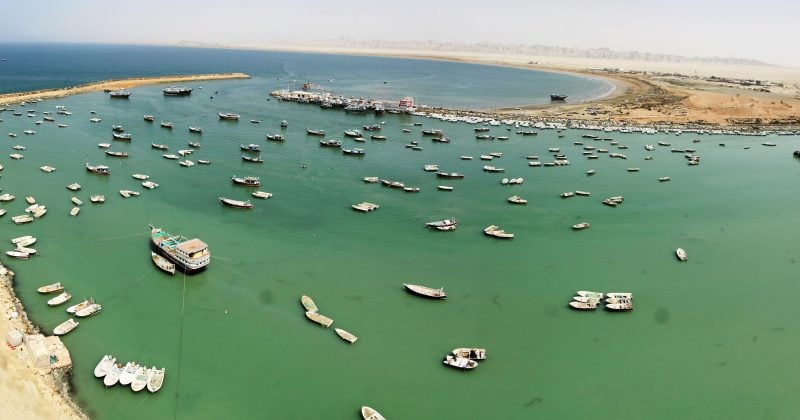
The US military has struck Iran’s Chabahar port maritime control tower for the third time in roughly a week, this time collapsing the structure entirely. Iranian state media confirmed the destruction, marking a significant escalation in a campaign of targeted strikes against infrastructure at what happens to be Iran’s most strategically important maritime facility.

For crypto markets, the calculus is straightforward: when shipping lanes get dicey and geopolitical risk spikes, capital tends to look for shelter. Bitcoin has been holding around $63,800 through the conflict.

Why Chabahar matters more than you think

Chabahar is Iran’s only deep-water port with direct access to the Indian Ocean, which means it’s the one piece of maritime infrastructure that lets Iran move goods without threading the needle through the Strait of Hormuz.

Advertisement

The Strait of Hormuz is a chokepoint roughly 21 miles wide at its narrowest that handles about a fifth of the world’s oil supply on any given day.

The US initially targeted the port’s control tower and pier infrastructure on July 8-9, then struck again on July 15. This latest hit, the third in the sequence, brought the tower down completely. The pattern of repeat targeting suggests this isn’t collateral damage. It’s a deliberate strategy to degrade Iran’s ability to manage maritime traffic at its most important alternative shipping hub.

US sanctions waivers that had previously allowed certain operations linked to Chabahar expired back in April 2026. That expiration already had the port under significant economic pressure before the first bomb fell.

Shipping costs and the insurance premium problem

Maritime insurance for vessels operating in the region is expected to rise sharply in the wake of these repeated strikes. No major cargo disruptions had been reported as of July 15, which means the physical flow of goods hasn’t been choked off yet. But shippers facing higher premiums tend to reroute, which adds transit time and fuel costs to supply chains.

Bitcoin’s quiet resilience and what it signals

Bitcoin sitting near $63,800 during active military strikes on critical infrastructure is worth unpacking. During previous geopolitical flare-ups, crypto markets often sold off alongside equities in the initial shock before recovering. This time, Bitcoin appears to be skipping the panic selling entirely.

For investors watching from the sidelines, the key metric to track isn’t Bitcoin’s spot price. It’s the correlation coefficient between BTC and traditional safe-haven assets like gold and Treasury bonds during these episodes.

The other variable worth monitoring is oil. Chabahar’s strategic value is tied directly to hydrocarbon shipping routes, and any sustained disruption to those routes puts upward pressure on energy prices globally.

Disclosure: This article was edited by Editorial Team. For more information on how we create and review content, see our Editorial Policy.

US strikes collapse Chabahar maritime tower as crypto markets digest escalating Iran conflict

US strikes collapse Chabahar maritime tower as crypto markets digest escalating Iran conflict

The third strike in a week on Iran's only deep-water port is rattling global shipping routes while Bitcoin holds steady near $63,800

The US military has struck Iran’s Chabahar port maritime control tower for the third time in roughly a week, this time collapsing the structure entirely. Iranian state media confirmed the destruction, marking a significant escalation in a campaign of targeted strikes against infrastructure at what happens to be Iran’s most strategically important maritime facility.

For crypto markets, the calculus is straightforward: when shipping lanes get dicey and geopolitical risk spikes, capital tends to look for shelter. Bitcoin has been holding around $63,800 through the conflict.

Why Chabahar matters more than you think

Chabahar is Iran’s only deep-water port with direct access to the Indian Ocean, which means it’s the one piece of maritime infrastructure that lets Iran move goods without threading the needle through the Strait of Hormuz.

Advertisement

The Strait of Hormuz is a chokepoint roughly 21 miles wide at its narrowest that handles about a fifth of the world’s oil supply on any given day.

The US initially targeted the port’s control tower and pier infrastructure on July 8-9, then struck again on July 15. This latest hit, the third in the sequence, brought the tower down completely. The pattern of repeat targeting suggests this isn’t collateral damage. It’s a deliberate strategy to degrade Iran’s ability to manage maritime traffic at its most important alternative shipping hub.

US sanctions waivers that had previously allowed certain operations linked to Chabahar expired back in April 2026. That expiration already had the port under significant economic pressure before the first bomb fell.

Shipping costs and the insurance premium problem

Maritime insurance for vessels operating in the region is expected to rise sharply in the wake of these repeated strikes. No major cargo disruptions had been reported as of July 15, which means the physical flow of goods hasn’t been choked off yet. But shippers facing higher premiums tend to reroute, which adds transit time and fuel costs to supply chains.

Bitcoin’s quiet resilience and what it signals

Bitcoin sitting near $63,800 during active military strikes on critical infrastructure is worth unpacking. During previous geopolitical flare-ups, crypto markets often sold off alongside equities in the initial shock before recovering. This time, Bitcoin appears to be skipping the panic selling entirely.

For investors watching from the sidelines, the key metric to track isn’t Bitcoin’s spot price. It’s the correlation coefficient between BTC and traditional safe-haven assets like gold and Treasury bonds during these episodes.

The other variable worth monitoring is oil. Chabahar’s strategic value is tied directly to hydrocarbon shipping routes, and any sustained disruption to those routes puts upward pressure on energy prices globally.

Disclosure: This article was edited by Editorial Team. For more information on how we create and review content, see our Editorial Policy.