
US strikes on Iran kill telecommunications official, rattle crypto markets
Bitcoin slid to the $60,000-$62,000 range as military escalation triggered risk-off sentiment across digital assets
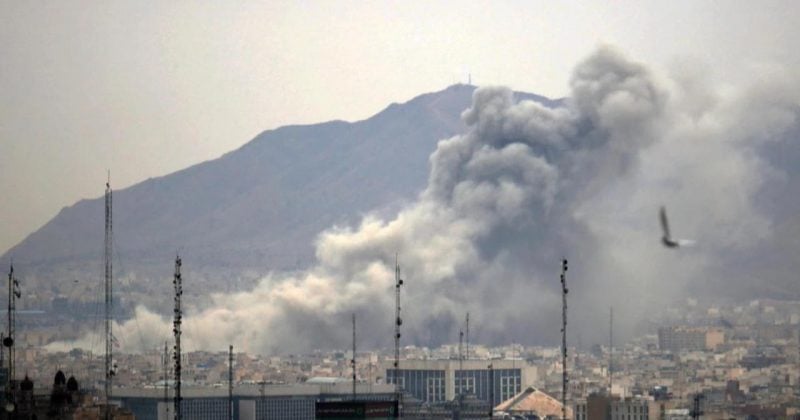
A telecommunications official was killed and two others were injured on Iran’s Farur Island after US military strikes targeted communication infrastructure across the country. The broader campaign, spanning July 8-9, hit five Iranian provinces, and the fallout is now rippling through crypto markets in predictable but painful fashion.
According to Iran’s Health Ministry, at least 14 people were killed and 78 injured in the strikes, with 47 individuals still hospitalized as of July 9. The US focused on communication towers, surveillance systems, and military assets linked to Iran’s Islamic Revolutionary Guard Corps.
What happened and why it matters
US Central Command stated that the operations were a response to Iranian activities in the Strait of Hormuz, one of the world’s most critical oil chokepoints. The strikes targeted over 60 IRGC vessels and assets, including boats and surveillance infrastructure.
Farur Island, the site where the telecommunications official was killed, has historical military significance for Iranian forces. It has served as a position for military training and operations, making it a natural target in any campaign aimed at degrading IRGC capabilities.
The strikes came after a ceasefire brokered by Pakistan collapsed. President Trump declared the ceasefire “over” as hostilities renewed.
The news moving money, markets, and the world—before your day starts.
Daily. Free. Join 34,000+ readers across crypto, finance, and policy.
Crypto markets react with familiar anxiety
Bitcoin dropped into the $60,000 to $62,000 range following the strikes. The CoinDesk 20 Index, which tracks the performance of the largest digital assets, fell 2.9%.
Altcoins experienced increased volatility, though some showed less severe declines than during previous military escalations.
The 2020 Soleimani strike saw Bitcoin recover within roughly a week. But the scale here is different, with strikes hitting infrastructure across five provinces.
What investors should actually watch
The Strait of Hormuz handles roughly 20% of global oil supply. Prolonged conflict there would spike oil prices, amplify inflation fears, and create macro pressure on risk assets including crypto.
For crypto investors specifically, the key metric to watch isn’t just Bitcoin’s price level. It’s trading volume and exchange flows. A spike in coins moving to exchanges typically signals further selling pressure ahead. The 2.9% decline in the CoinDesk 20 Index is notable but not yet the kind of capitulation event that tends to mark bottoms during geopolitical crises.