
US to rebuild commercial fleet amid China port security concerns

https://gcaptain.com/senate-hearing-to-examine-reviving-u-s-commercial-shipbuilding-amid-china-challenge/

US to rebuild commercial fleet amid China port security concerns

China x philippines military clash before 2027

Senator Todd Young has expressed concerns over the potential threat posed by Chinese ships docking at U.S. ports, emphasizing the risk of these vessels carrying weapons capable of attacks on American soil. The U.S. plans to counter this potential threat by rebuilding its commercial fleet, as part of a larger strategy to bolster national security. This development comes amidst increasing maritime tensions between the U.S. and China, as both nations vie for strategic dominance in global shipping lanes and port infrastructure.

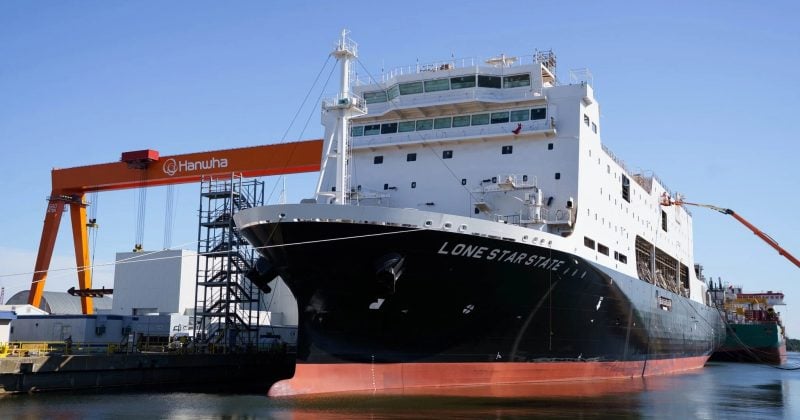
The U.S. government’s Maritime Action Plan aims to revitalize domestic shipbuilding and expand the U.S.-flagged fleet, which is seen as a strategic move to counter China’s maritime influence and mitigate the risks associated with foreign-controlled port equipment. Additionally, the plan proposes universal fees on foreign-built vessels entering U.S. ports. These measures are in line with broader congressional concerns over cybersecurity vulnerabilities linked to Chinese-operated infrastructure in U.S. ports, such as cranes that could be used for espionage or sabotage.

Advertisement

The situation highlights the broader geopolitical implications of the U.S.-China maritime rivalry, particularly in the context of the South China Sea, a region of ongoing tensions between China and several Southeast Asian nations, including the Philippines. This context appears to have influenced prediction markets, which suggest an increased likelihood of military confrontations involving China and the Philippines before 2027.

Key Takeaways

  • The statement by Sen. Todd Young suggests heightened concerns over potential security threats from Chinese ships at U.S. ports.
  • The U.S. Maritime Action Plan aims to strengthen national security by increasing domestic shipbuilding and imposing fees on foreign vessels.
  • Prediction markets reflect increased perceived risk of a military clash between China and the Philippines due to escalating maritime tensions.

What to Watch

Observers should monitor developments in U.S.-China maritime policies and any shifts in the geopolitical landscape of the South China Sea. Key indicators of rising tensions may include military exercises, incidents involving Chinese and Philippine vessels, or diplomatic actions by either nation. Conversely, cooperative agreements or de-escalation efforts could suggest a reduced likelihood of conflict. The evolving situation will likely continue to influence market perceptions of military risks in the region.

Get prediction market intelligence as a structured API feed. Early access waitlist.

Disclosure: This article was edited by Estefano Gomez. For more information on how we create and review content, see our Editorial Policy.

US to rebuild commercial fleet amid China port security concerns

US to rebuild commercial fleet amid China port security concerns

China x philippines military clash before 2027

https://gcaptain.com/senate-hearing-to-examine-reviving-u-s-commercial-shipbuilding-amid-china-challenge/

Senator Todd Young has expressed concerns over the potential threat posed by Chinese ships docking at U.S. ports, emphasizing the risk of these vessels carrying weapons capable of attacks on American soil. The U.S. plans to counter this potential threat by rebuilding its commercial fleet, as part of a larger strategy to bolster national security. This development comes amidst increasing maritime tensions between the U.S. and China, as both nations vie for strategic dominance in global shipping lanes and port infrastructure.

The U.S. government’s Maritime Action Plan aims to revitalize domestic shipbuilding and expand the U.S.-flagged fleet, which is seen as a strategic move to counter China’s maritime influence and mitigate the risks associated with foreign-controlled port equipment. Additionally, the plan proposes universal fees on foreign-built vessels entering U.S. ports. These measures are in line with broader congressional concerns over cybersecurity vulnerabilities linked to Chinese-operated infrastructure in U.S. ports, such as cranes that could be used for espionage or sabotage.

Advertisement

The situation highlights the broader geopolitical implications of the U.S.-China maritime rivalry, particularly in the context of the South China Sea, a region of ongoing tensions between China and several Southeast Asian nations, including the Philippines. This context appears to have influenced prediction markets, which suggest an increased likelihood of military confrontations involving China and the Philippines before 2027.

Key Takeaways

  • The statement by Sen. Todd Young suggests heightened concerns over potential security threats from Chinese ships at U.S. ports.
  • The U.S. Maritime Action Plan aims to strengthen national security by increasing domestic shipbuilding and imposing fees on foreign vessels.
  • Prediction markets reflect increased perceived risk of a military clash between China and the Philippines due to escalating maritime tensions.

What to Watch

Observers should monitor developments in U.S.-China maritime policies and any shifts in the geopolitical landscape of the South China Sea. Key indicators of rising tensions may include military exercises, incidents involving Chinese and Philippine vessels, or diplomatic actions by either nation. Conversely, cooperative agreements or de-escalation efforts could suggest a reduced likelihood of conflict. The evolving situation will likely continue to influence market perceptions of military risks in the region.

Get prediction market intelligence as a structured API feed. Early access waitlist.

Disclosure: This article was edited by Estefano Gomez. For more information on how we create and review content, see our Editorial Policy.