
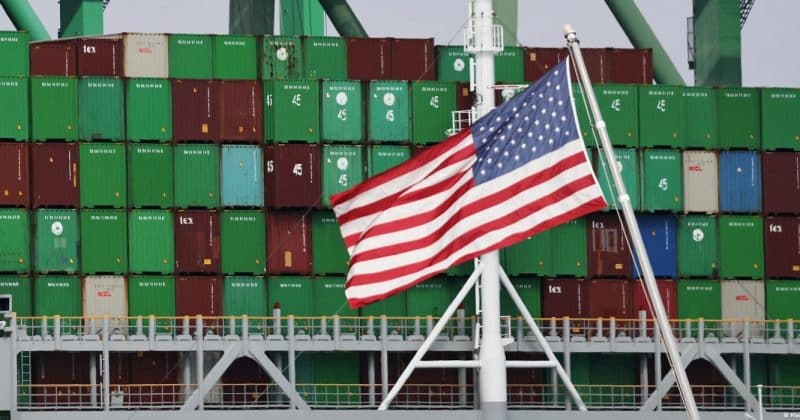
US declines to renew USMCA trade pact with Canada and Mexico, adding uncertainty to $1.6 trillion trade corridor
The agreement stays alive until 2036, but annual reviews replace what would have been an automatic 16-year extension, creating a new layer of unpredictability for markets
The United States just told its two biggest trading partners that the current deal isn’t good enough. On July 1, 2026, the Trump administration declined to renew the United States-Mexico-Canada Agreement in its current form during its first mandatory joint review, opting instead for a slower, more uncertain path forward.
The agreement doesn’t die immediately. It continues until its scheduled expiration on July 1, 2036. But instead of locking in an automatic 16-year extension, the three countries now enter a regime of annual reviews that could lead to renegotiation, modification, or simply more tension.
What actually happened and why it matters
The USMCA replaced NAFTA on July 1, 2020, and governs approximately $1.6 trillion in annual trade volume between the three North American economies. The agreement was designed with a built-in checkpoint. After six years, all three countries would jointly review the deal and decide whether to extend it for another 16 years.
“The United States did not agree to renew the USMCA in its current form,” US Trade Representative Jamieson Greer stated.
Greer pointed to persistent trade deficits and specific concerns about automotive industry regulations as key reasons behind the decision. Beyond autos, labor standards, market access for dairy, and broader trade imbalances are all expected to be central negotiating points as the three countries navigate the next decade under the existing framework.
The news moving money, markets, and the world—before your day starts.
Daily. Free. Join 34,000+ readers across crypto, finance, and policy.
What this means for crypto and broader markets
The USMCA review didn’t mention digital assets, blockchain technology, or crypto in any form. No provisions about cross-border stablecoin payments, no framework for digital trade infrastructure, no crypto-specific regulatory language. The negotiation remains squarely focused on traditional trade issues: goods, tariffs, labor, and market access.
The practical effect is that $1.6 trillion in annual trade now operates under a cloud that won’t fully lift until either the agreement is renegotiated to Washington’s satisfaction or it expires in 2036.