
USTR Greer praises Apple and Micron as reshoring push intensifies, and crypto should be paying attention
The US trade representative's endorsement of domestic manufacturing commitments signals a policy direction that could reshape tech supply chains and ripple into digital asset markets.
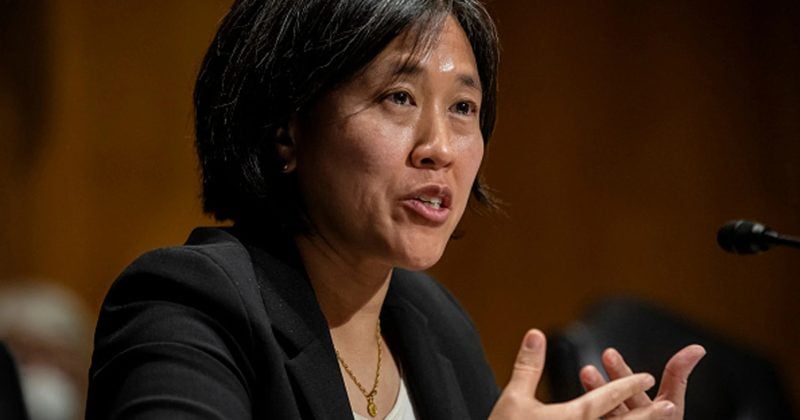
US Trade Representative Jamieson Greer is making the rounds at American factories and handing out gold stars. Apple and Micron are the latest recipients, earning public praise for their domestic manufacturing commitments at a time when the administration is leaning hard into an America First industrial policy.
What Greer actually said
During a visit to Micron Technology’s expanded facility in Manassas, Virginia, Greer called tariffs on semiconductors “really important.” He framed semiconductor tariffs as a strategic necessity rather than a blunt economic weapon, emphasizing that any new duties should be carefully sequenced to avoid disrupting existing US production lines.
The US currently produces only about 10% of the chips it actually uses. Slapping immediate heavy tariffs on semiconductor imports would be like cutting off your water supply before you’ve finished digging a well.
His tour of advanced manufacturing facilities, which has included stops in California, is part of a broader 2026 trade agenda centered on addressing what the administration considers unfair trade practices in the semiconductor sector.
On the Apple side, the tech giant has committed over $500 billion to US investments over four years starting in 2025, with some reports putting the figure as high as $600 billion. That includes a new server facility in Houston and a doubling of its Advanced Manufacturing Fund.
AI, tech, and the markets they move—in one daily briefing.
Daily. Free. Join 34,000+ readers across crypto, finance, and policy.
The semiconductor gap is the real story
The 10% domestic production figure is the number that should keep policymakers up at night. It means the United States depends on foreign suppliers for roughly 90% of its semiconductor needs.
Greer’s public endorsements of Micron and Apple aren’t just corporate pats on the back. They’re signals to the broader market about which companies are aligned with administration priorities. Companies that invest domestically get the praise. Companies that don’t may eventually get the tariffs.
Why crypto investors should care about chip tariffs
Bitcoin mining is fundamentally a hardware business. The ASIC chips that power mining operations are manufactured almost entirely in Asia, predominantly by companies like Bitmain and MicroBT. If semiconductor tariffs expand in scope, which Greer’s language suggests is at least on the table, the cost of mining hardware could increase materially for US-based operations.
The server facility Apple is building in Houston will house the kind of advanced chips that also power AI model training and inference. Trade policy around semiconductors becomes trade policy around the physical infrastructure of the digital economy.
Investors should also watch how this reshoring agenda interacts with the CHIPS Act funding that has already been allocated. If tariff protections stack on top of direct subsidies, domestic semiconductor companies could see a significant competitive moat form around them. That’s potentially bearish for any crypto mining operation that depends on cheap imported hardware to maintain margins.