
Valencia and Barcelona’s transfer chess match could reshape La Liga’s competitive balance

Valencia and Barcelona’s transfer chess match could reshape La Liga’s competitive balance

The two Spanish clubs have a long history of player swaps, and the latest transfer window maneuvering has financial implications worth watching.

Barcelona has been in active talks with Javi Guerra’s agent about bringing the Valencia midfielder to Camp Nou.

Guerra’s release clause sits at €40M until the end of July 2026, after which it jumps to €60M. Barcelona has a ticking clock to get this deal done at a relative discount before the price tag inflates by 50%.

Advertisement

Valencia renewed his contract through 2029, a move designed to strengthen their negotiating position. Barcelona reportedly views Guerra as a rebuild target, and a six-year contract offer has been proposed.

A transfer corridor with deep history

Player movement between Valencia and Barcelona is nothing new. Ferran Torres made the jump from Valencia’s academy system to eventually land at Barcelona. Jordi Alba traveled the same route in reverse chronological order, leaving Valencia to become a Barcelona legend at left back. André Gomes bounced between the clubs as well, part of a long tradition of talent flowing along Spain’s Mediterranean coast.

Valencia’s financial situation adds another layer of complexity. The club has faced well-documented financial pressures in recent seasons. Selling a player like Guerra at his €40M release clause would represent a significant cash injection, but losing a player of his caliber could damage the club’s competitive standing and, by extension, its commercial revenue.

Why sports finance watchers should care

Barcelona launched its own fan token (BAR) on the Socios platform, and the token’s price has historically shown sensitivity to squad-related news. Major signings tend to generate positive sentiment among token holders, while player departures can have the opposite effect.

The €40M to €60M release clause escalation for Guerra is a textbook example of how football contracts now function as financial instruments. Valencia structured the deal to create urgency for potential buyers while protecting their own asset valuation.

Disclosure: This article was edited by Editorial Team. For more information on how we create and review content, see our Editorial Policy.

Valencia and Barcelona’s transfer chess match could reshape La Liga’s competitive balance

Valencia and Barcelona’s transfer chess match could reshape La Liga’s competitive balance

The two Spanish clubs have a long history of player swaps, and the latest transfer window maneuvering has financial implications worth watching.

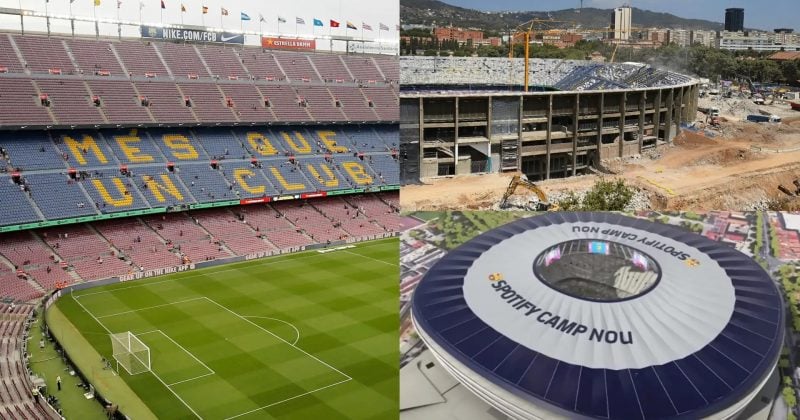
Barcelona has been in active talks with Javi Guerra’s agent about bringing the Valencia midfielder to Camp Nou.

Guerra’s release clause sits at €40M until the end of July 2026, after which it jumps to €60M. Barcelona has a ticking clock to get this deal done at a relative discount before the price tag inflates by 50%.

Advertisement

Valencia renewed his contract through 2029, a move designed to strengthen their negotiating position. Barcelona reportedly views Guerra as a rebuild target, and a six-year contract offer has been proposed.

A transfer corridor with deep history

Player movement between Valencia and Barcelona is nothing new. Ferran Torres made the jump from Valencia’s academy system to eventually land at Barcelona. Jordi Alba traveled the same route in reverse chronological order, leaving Valencia to become a Barcelona legend at left back. André Gomes bounced between the clubs as well, part of a long tradition of talent flowing along Spain’s Mediterranean coast.

Valencia’s financial situation adds another layer of complexity. The club has faced well-documented financial pressures in recent seasons. Selling a player like Guerra at his €40M release clause would represent a significant cash injection, but losing a player of his caliber could damage the club’s competitive standing and, by extension, its commercial revenue.

Why sports finance watchers should care

Barcelona launched its own fan token (BAR) on the Socios platform, and the token’s price has historically shown sensitivity to squad-related news. Major signings tend to generate positive sentiment among token holders, while player departures can have the opposite effect.

The €40M to €60M release clause escalation for Guerra is a textbook example of how football contracts now function as financial instruments. Valencia structured the deal to create urgency for potential buyers while protecting their own asset valuation.

Disclosure: This article was edited by Editorial Team. For more information on how we create and review content, see our Editorial Policy.