
Walmart to lower prices at Trump’s request, urges retailers to follow

Walmart to lower prices at Trump’s request, urges retailers to follow

The retail giant plans to pass tariff refunds directly to consumers as shoppers show signs of pulling back on spending

Walmart is channeling tariff refund money into lower shelf prices, a move that lands squarely at the intersection of presidential pressure, trade policy whiplash, and a consumer base that’s clearly starting to feel the squeeze. The announcement came during the company’s earnings call, where CFO John David Rainey laid out the plan to use capital recovered from recently reversed tariffs to cut prices on consumer goods.

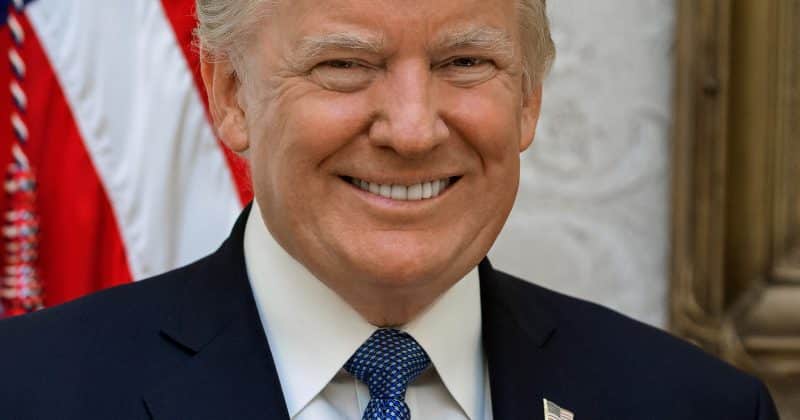
President Donald Trump said Walmart agreed to lower prices at his request.

Advertisement

The tariff boomerang effect

Trump’s tariffs, originally designed to reshape trade flows and protect domestic industry, were partially invalidated by the Supreme Court, which triggered repayments to importers starting in mid-May. Rainey said the company will invest those tariff refund dollars directly into lower consumer prices.

Consumers are sending distress signals

Walmart shared a data point during its earnings call that should catch the attention of anyone tracking the health of the American consumer: customers are now buying fewer than 10 gallons of fuel at a time for the first time since 2022.

Despite those headwinds, Walmart posted a 4.1% increase in comparable store sales during the February-to-April period.

The Trump factor and retail politics

Trump has publicly called on Walmart to keep prices low despite increased operational costs from his own tariff policies. By framing price cuts as a use of tariff refund capital, the company can satisfy presidential pressure without appearing to simply capitulate. There’s no indication that Walmart is coordinating with other retailers on this initiative, but Trump has urged other retailers to follow Walmart’s lead.

What this means for investors and markets

Tariff policy uncertainty has been a persistent source of volatility across asset classes. The Supreme Court’s partial invalidation of Trump’s tariffs introduces a new variable: refund flows. Billions of dollars in tariff repayments are now flowing back to importers, and the allocation decisions across the retail sector will influence consumer price indices, which in turn affect Federal Reserve rate expectations.

Disclosure: This article was edited by Editorial Team. For more information on how we create and review content, see our Editorial Policy.

Walmart to lower prices at Trump’s request, urges retailers to follow

Walmart to lower prices at Trump’s request, urges retailers to follow

The retail giant plans to pass tariff refunds directly to consumers as shoppers show signs of pulling back on spending

Walmart is channeling tariff refund money into lower shelf prices, a move that lands squarely at the intersection of presidential pressure, trade policy whiplash, and a consumer base that’s clearly starting to feel the squeeze. The announcement came during the company’s earnings call, where CFO John David Rainey laid out the plan to use capital recovered from recently reversed tariffs to cut prices on consumer goods.

President Donald Trump said Walmart agreed to lower prices at his request.

Advertisement

The tariff boomerang effect

Trump’s tariffs, originally designed to reshape trade flows and protect domestic industry, were partially invalidated by the Supreme Court, which triggered repayments to importers starting in mid-May. Rainey said the company will invest those tariff refund dollars directly into lower consumer prices.

Consumers are sending distress signals

Walmart shared a data point during its earnings call that should catch the attention of anyone tracking the health of the American consumer: customers are now buying fewer than 10 gallons of fuel at a time for the first time since 2022.

Despite those headwinds, Walmart posted a 4.1% increase in comparable store sales during the February-to-April period.

The Trump factor and retail politics

Trump has publicly called on Walmart to keep prices low despite increased operational costs from his own tariff policies. By framing price cuts as a use of tariff refund capital, the company can satisfy presidential pressure without appearing to simply capitulate. There’s no indication that Walmart is coordinating with other retailers on this initiative, but Trump has urged other retailers to follow Walmart’s lead.

What this means for investors and markets

Tariff policy uncertainty has been a persistent source of volatility across asset classes. The Supreme Court’s partial invalidation of Trump’s tariffs introduces a new variable: refund flows. Billions of dollars in tariff repayments are now flowing back to importers, and the allocation decisions across the retail sector will influence consumer price indices, which in turn affect Federal Reserve rate expectations.

Disclosure: This article was edited by Editorial Team. For more information on how we create and review content, see our Editorial Policy.