
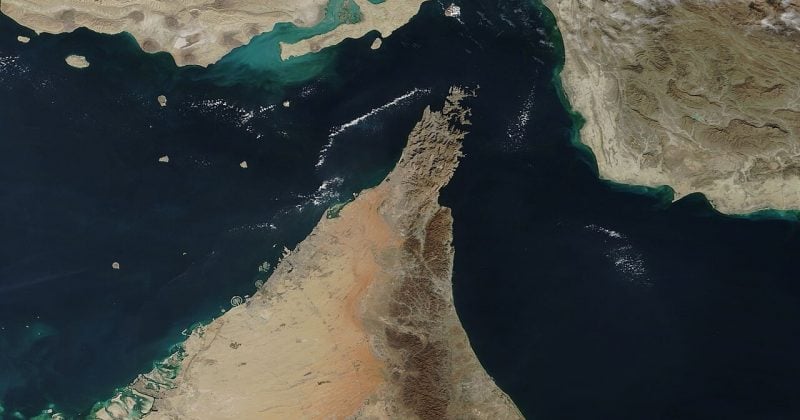
War insurers tell shipowners to pause Hormuz voyages as attacks escalate, threatening global energy markets
The world's most important oil chokepoint just got a 'severe' threat rating, and the ripple effects are heading straight for energy prices, shipping costs, and risk assets including crypto.
Some war risk underwriters have advised shipping companies to temporarily halt transits through the Strait of Hormuz following attacks on vessels in the waterway.
The advisory, issued on July 8, came after both a Qatari LNG tanker and a Saudi-flagged crude oil tanker sustained damage in separate incidents. At least four tankers, including LNG carriers Al Ghariya, Duhail, and Al Ruwais, reversed course rather than push through the strait. Maritime authorities have since elevated the threat level for the waterway to “severe.”
The chokepoint that matters most
The Strait of Hormuz is a narrow passage between Iran and Oman. It is the single most important bottleneck for global energy transport. When this waterway gets disrupted, the alternative route means sending tankers around the southern tip of Africa, adding weeks to delivery times and enormous costs to every barrel.
Tanker traffic through the Strait of Hormuz has already been reduced by over 80% in 2026 due to heightened threats.
War risk premiums surged fivefold or more earlier in 2026, and several underwriters had already issued cancellation notices on existing coverage.
The news moving money, markets, and the world—before your day starts.
Daily. Free. Join 34,000+ readers across crypto, finance, and policy.
How we got here
Throughout 2026, a series of missile and drone attacks attributed to renewed conflict in the region, following US and Israeli military interventions involving Iran, steadily ratcheted up the danger for commercial shipping.
What this means for markets and crypto
Energy prices sit at the base of the global economic food chain. When oil supply gets disrupted, crude prices spike. When crude spikes, inflation expectations shift. When inflation expectations shift, central banks adjust their posture. And when central banks adjust, every risk asset on the planet feels it, from equities to bonds to Bitcoin.
For crypto specifically, the transmission mechanism works through two channels. The first is the macro channel: tighter monetary policy expectations tend to weigh on speculative assets, and Bitcoin has shown increasing correlation with macro liquidity conditions over the past several years. The second channel is pure volatility contagion. Crypto markets, with their 24/7 trading and relatively thin order books compared to traditional markets, tend to amplify these moves.
For those watching from the sidelines, the key variables to monitor are the duration of the shipping pause, the trajectory of oil futures, and any escalation or de-escalation in the underlying military conflict.