
Nexo Earn with Nexo
WH Smith warns on profit, seeks fresh capital amid Iran war impact

WH Smith warns on profit, seeks fresh capital amid Iran war impact

The UK travel retailer slashed profit guidance by up to 20% and plans to raise as much as £120 million through new shares as Middle East conflict hammers airport foot traffic.

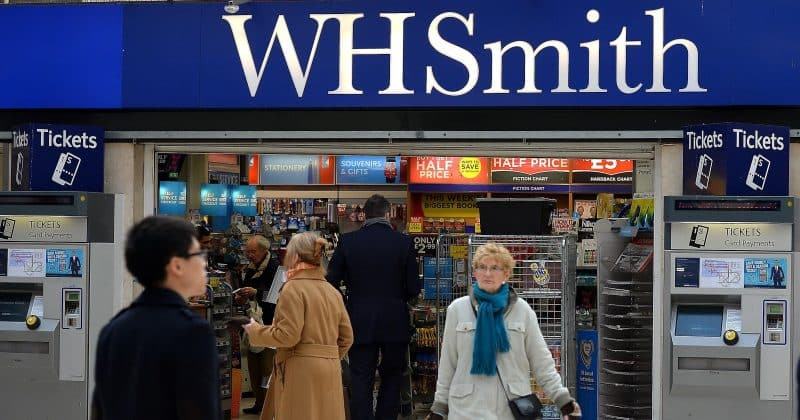
WH Smith, the UK retailer that bet its future on airport shops and travel hubs, just learned the hard way what happens when geopolitics grounds your customers. The company issued a profit warning on June 10, cutting its full-year pre-tax profit guidance to a range of £75 million to £90 million, down from a previous forecast of £90 million to £105 million.

That is a roughly 15-20% downward revision, driven almost entirely by one factor: fewer people flying through airports because of the ongoing conflict involving Iran.

Advertisement

The numbers tell a rough story

WH Smith’s shares, trading under the ticker SMWH.L, dropped between 10% and 17% in early trading after the announcement. The company also suspended its dividend payments and announced plans to raise between £100 million and £120 million in fresh capital through new share issuance, including approximately 26 million new shares.

Why the Iran conflict hits WH Smith specifically

The company deliberately pivoted away from traditional high-street retail years ago, betting heavily on airport stores, train station outlets, and other travel hub locations across more than 30 countries. The Iranian conflict has created a cascade of problems for air travel. Flight disruptions tied to the Middle East hostilities, combined with logistical challenges from the blockade of the Strait of Hormuz, have meaningfully reduced passenger traffic through airports. Consumer confidence has also taken a hit, with weakened discretionary spending in WH Smith’s airport and transport hub stores.

The Strait of Hormuz blockade deserves particular attention. Roughly one-fifth of the world’s oil supply passes through that narrow waterway. When it gets disrupted, airlines face higher fuel costs, routes get rerouted or canceled, and the entire ecosystem of travel-dependent businesses feels the squeeze.

What this means for investors

The capital raise is the most immediately consequential detail for current shareholders. Issuing approximately 26 million new shares to raise up to £120 million will dilute existing stakes. Dividend suspension adds another layer of pain. Income-focused investors who held WH Smith for its regular payouts now have neither capital appreciation nor yield to show for their position.

For anyone considering the stock at these lower levels, the key variable is the trajectory of the Middle East conflict. If hostilities de-escalate and air travel normalizes, WH Smith’s core business model remains sound. If the conflict drags on or worsens, the revised profit guidance of £75 million to £90 million could itself prove optimistic.

Disclosure: This article was edited by Editorial Team. For more information on how we create and review content, see our Editorial Policy.

WH Smith warns on profit, seeks fresh capital amid Iran war impact

WH Smith warns on profit, seeks fresh capital amid Iran war impact

The UK travel retailer slashed profit guidance by up to 20% and plans to raise as much as £120 million through new shares as Middle East conflict hammers airport foot traffic.

WH Smith, the UK retailer that bet its future on airport shops and travel hubs, just learned the hard way what happens when geopolitics grounds your customers. The company issued a profit warning on June 10, cutting its full-year pre-tax profit guidance to a range of £75 million to £90 million, down from a previous forecast of £90 million to £105 million.

That is a roughly 15-20% downward revision, driven almost entirely by one factor: fewer people flying through airports because of the ongoing conflict involving Iran.

Advertisement

The numbers tell a rough story

WH Smith’s shares, trading under the ticker SMWH.L, dropped between 10% and 17% in early trading after the announcement. The company also suspended its dividend payments and announced plans to raise between £100 million and £120 million in fresh capital through new share issuance, including approximately 26 million new shares.

Why the Iran conflict hits WH Smith specifically

The company deliberately pivoted away from traditional high-street retail years ago, betting heavily on airport stores, train station outlets, and other travel hub locations across more than 30 countries. The Iranian conflict has created a cascade of problems for air travel. Flight disruptions tied to the Middle East hostilities, combined with logistical challenges from the blockade of the Strait of Hormuz, have meaningfully reduced passenger traffic through airports. Consumer confidence has also taken a hit, with weakened discretionary spending in WH Smith’s airport and transport hub stores.

The Strait of Hormuz blockade deserves particular attention. Roughly one-fifth of the world’s oil supply passes through that narrow waterway. When it gets disrupted, airlines face higher fuel costs, routes get rerouted or canceled, and the entire ecosystem of travel-dependent businesses feels the squeeze.

What this means for investors

The capital raise is the most immediately consequential detail for current shareholders. Issuing approximately 26 million new shares to raise up to £120 million will dilute existing stakes. Dividend suspension adds another layer of pain. Income-focused investors who held WH Smith for its regular payouts now have neither capital appreciation nor yield to show for their position.

For anyone considering the stock at these lower levels, the key variable is the trajectory of the Middle East conflict. If hostilities de-escalate and air travel normalizes, WH Smith’s core business model remains sound. If the conflict drags on or worsens, the revised profit guidance of £75 million to £90 million could itself prove optimistic.

Disclosure: This article was edited by Editorial Team. For more information on how we create and review content, see our Editorial Policy.