
Nexo Earn with Nexo
White House halts Israeli airstrikes on Iran, averting escalation

https://ipmnewsroom.org/the-latest-us-and-israel-strike-irans-oil-rail-and-bridges-ahead-of-trump-deadline/

White House halts Israeli airstrikes on Iran, averting escalation

Reza Pahlavi entry into Iran

Market Snapshot

The “Will the Iranian regime fall before 2027?” market is currently priced at 12.5% YES, reflecting a slight increase from 12% a day ago. In contrast, the “Israel x Iran permanent peace deal by June 30, 2026?” market is at 5% YES, up from 3% a day ago.

Key Takeaways

  • Markets suggest that the planned Israeli strikes, even if halted, are consistent with increased likelihood of Iranian regime instability.
  • The news appears to decrease the probability of a permanent peace deal between Israel and Iran, as indicated by market movements.
  • The report seems unrelated to Reza Pahlavi’s return to Iran, with no significant change in market pricing for his return.

Article Body

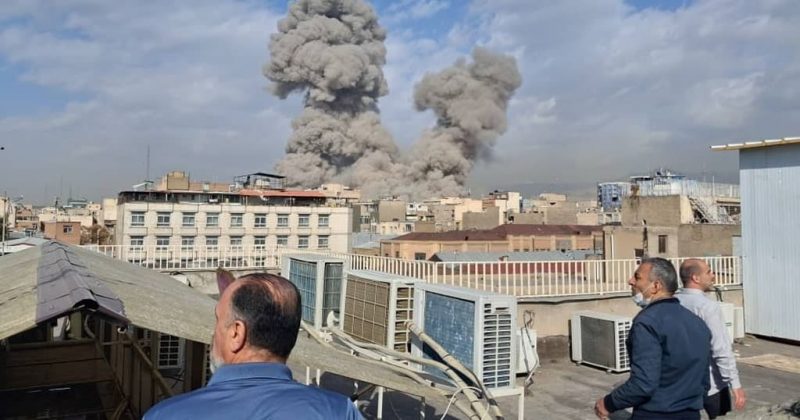
According to a report from Al-Monitor, Israeli Air Force planes were poised for a third round of strikes against Iran on Monday morning before intervention by the White House halted the operation. Diplomatic sources cited in the report suggest that tensions between Israel and Iran remain high, contributing to regional instability. The intervention by the White House underscores the delicate balance of power and the ongoing diplomatic efforts to prevent further escalation in the region. This development comes amidst a backdrop of complex geopolitical dynamics involving the United States, Israel, and Iran, where military actions often have broader implications for international relations.

Advertisement

Market Interpretation

The planned Israeli strikes, despite being averted, appear to have a high-impact effect on markets concerning the potential fall of the Iranian regime, suggesting increased instability. Conversely, the likelihood of a permanent peace deal between Israel and Iran appears to be significantly reduced, with market pricing reflecting skepticism about diplomatic resolutions. These interpretations are consistent with heightened military tensions influencing market sentiment.

What to Watch

Observers should monitor any further diplomatic interventions by the United States or other international actors that could affect regional stability. Statements from Israeli or Iranian government officials regarding military actions or peace efforts may provide additional context. Additionally, any changes in the stance of key players, such as the United States or Iran’s regional allies, could further influence market dynamics related to both regime stability and peace prospects.

Get prediction market intelligence as a structured API feed. Early access waitlist.

Disclosure: This article was edited by Estefano Gomez. For more information on how we create and review content, see our Editorial Policy.

White House halts Israeli airstrikes on Iran, averting escalation

White House halts Israeli airstrikes on Iran, averting escalation

Reza Pahlavi entry into Iran

https://ipmnewsroom.org/the-latest-us-and-israel-strike-irans-oil-rail-and-bridges-ahead-of-trump-deadline/

Market Snapshot

The “Will the Iranian regime fall before 2027?” market is currently priced at 12.5% YES, reflecting a slight increase from 12% a day ago. In contrast, the “Israel x Iran permanent peace deal by June 30, 2026?” market is at 5% YES, up from 3% a day ago.

Key Takeaways

  • Markets suggest that the planned Israeli strikes, even if halted, are consistent with increased likelihood of Iranian regime instability.
  • The news appears to decrease the probability of a permanent peace deal between Israel and Iran, as indicated by market movements.
  • The report seems unrelated to Reza Pahlavi’s return to Iran, with no significant change in market pricing for his return.

Article Body

According to a report from Al-Monitor, Israeli Air Force planes were poised for a third round of strikes against Iran on Monday morning before intervention by the White House halted the operation. Diplomatic sources cited in the report suggest that tensions between Israel and Iran remain high, contributing to regional instability. The intervention by the White House underscores the delicate balance of power and the ongoing diplomatic efforts to prevent further escalation in the region. This development comes amidst a backdrop of complex geopolitical dynamics involving the United States, Israel, and Iran, where military actions often have broader implications for international relations.

Advertisement

Market Interpretation

The planned Israeli strikes, despite being averted, appear to have a high-impact effect on markets concerning the potential fall of the Iranian regime, suggesting increased instability. Conversely, the likelihood of a permanent peace deal between Israel and Iran appears to be significantly reduced, with market pricing reflecting skepticism about diplomatic resolutions. These interpretations are consistent with heightened military tensions influencing market sentiment.

What to Watch

Observers should monitor any further diplomatic interventions by the United States or other international actors that could affect regional stability. Statements from Israeli or Iranian government officials regarding military actions or peace efforts may provide additional context. Additionally, any changes in the stance of key players, such as the United States or Iran’s regional allies, could further influence market dynamics related to both regime stability and peace prospects.

Get prediction market intelligence as a structured API feed. Early access waitlist.

Disclosure: This article was edited by Estefano Gomez. For more information on how we create and review content, see our Editorial Policy.