
The 2026 World Cup is crypto’s biggest mainstream stage yet

The 2026 World Cup is crypto’s biggest mainstream stage yet

Sixteen cities, 48 teams, and a growing web of blockchain sponsorships are turning FIFA's expanded tournament into a landmark moment for digital assets in sports.

The biggest sporting event on the planet is underway, and crypto has a seat at the table. The 2026 FIFA World Cup, spread across 16 cities in the US, Mexico, and Canada, features 48 teams and 80 matches. It also features something no previous World Cup has had: an official crypto exchange sponsor.

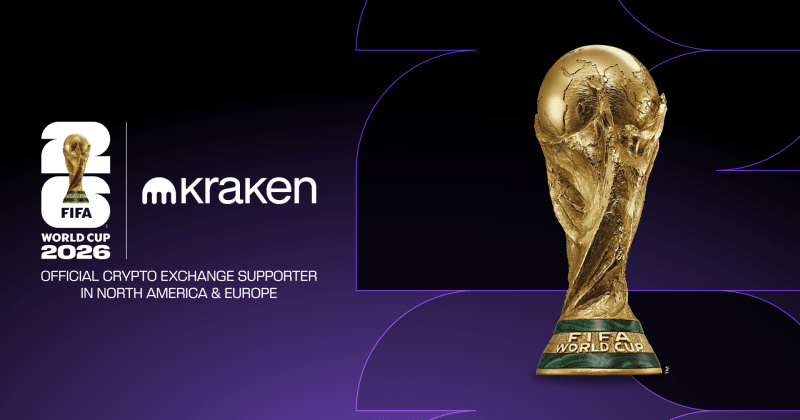
Kraken was appointed as FIFA’s Official Crypto Exchange Supporter on June 9, 2026, making it the first crypto exchange to land a sponsorship deal with the world’s governing body of soccer. Reuters photographers have been documenting the action across all 16 host cities, publishing daily galleries that capture the sheer scale of what is already the largest World Cup ever staged.

A tournament built for scale

The host city list reads like a tour of North America’s biggest metros. On the US side: Atlanta, Boston, Dallas, Houston, Kansas City, Los Angeles, Miami, New York/New Jersey, Philadelphia, San Francisco Bay Area, and Seattle. Mexico contributes Guadalajara, Mexico City, and Monterrey. Canada brings Toronto and Vancouver.

Advertisement

Reuters has leaned into the visual storytelling opportunity, running a dedicated series on the atmosphere in each host city alongside its “Best World Cup Photos” galleries published on July 1 and July 2. The tournament kicked off in June and has already progressed to the Round of 32 as of early July.

Crypto’s footprint on the pitch

Chiliz, the blockchain platform that powers the Socios fan token ecosystem, has seen noticeable trading activity during the group stages. Fan tokens like Argentina’s $ARG and Portugal’s $POR, both built on the Chiliz ($CHZ) network, attracted active trading as those national teams competed.

Fan tokens sit in a peculiar space between speculative asset and loyalty program. Holders typically get access to polls, rewards, and engagement features tied to their favorite teams. But during high-profile tournaments, they also behave like momentum trades, rising and falling with a team’s fortunes on the field.

FIFA has implemented a custom Avalanche blockchain specifically for digital collectibles, building on Layer 1 solutions designed to handle fan engagement at scale. Discussions are reportedly ongoing regarding a potential “FIFA Coin” or token, though nothing has been formally launched on that front.

What this means for investors

Fan token trading volumes have climbed during the group stages, a pattern consistent with previous tournaments where Socios-powered tokens spiked during the 2022 Qatar World Cup. The expanded format, with 80 matches instead of the traditional 64, extends the window of heightened engagement, which could help sustain volumes longer than usual.

Fan tokens have historically experienced sharp pullbacks once tournaments end and the emotional trading subsides. Regulatory scrutiny around token offerings tied to sports teams has been increasing in several jurisdictions.

Disclosure: This article was edited by Editorial Team. For more information on how we create and review content, see our Editorial Policy.

The 2026 World Cup is crypto’s biggest mainstream stage yet

The 2026 World Cup is crypto’s biggest mainstream stage yet

Sixteen cities, 48 teams, and a growing web of blockchain sponsorships are turning FIFA's expanded tournament into a landmark moment for digital assets in sports.

The biggest sporting event on the planet is underway, and crypto has a seat at the table. The 2026 FIFA World Cup, spread across 16 cities in the US, Mexico, and Canada, features 48 teams and 80 matches. It also features something no previous World Cup has had: an official crypto exchange sponsor.

Kraken was appointed as FIFA’s Official Crypto Exchange Supporter on June 9, 2026, making it the first crypto exchange to land a sponsorship deal with the world’s governing body of soccer. Reuters photographers have been documenting the action across all 16 host cities, publishing daily galleries that capture the sheer scale of what is already the largest World Cup ever staged.

A tournament built for scale

The host city list reads like a tour of North America’s biggest metros. On the US side: Atlanta, Boston, Dallas, Houston, Kansas City, Los Angeles, Miami, New York/New Jersey, Philadelphia, San Francisco Bay Area, and Seattle. Mexico contributes Guadalajara, Mexico City, and Monterrey. Canada brings Toronto and Vancouver.

Advertisement

Reuters has leaned into the visual storytelling opportunity, running a dedicated series on the atmosphere in each host city alongside its “Best World Cup Photos” galleries published on July 1 and July 2. The tournament kicked off in June and has already progressed to the Round of 32 as of early July.

Crypto’s footprint on the pitch

Chiliz, the blockchain platform that powers the Socios fan token ecosystem, has seen noticeable trading activity during the group stages. Fan tokens like Argentina’s $ARG and Portugal’s $POR, both built on the Chiliz ($CHZ) network, attracted active trading as those national teams competed.

Fan tokens sit in a peculiar space between speculative asset and loyalty program. Holders typically get access to polls, rewards, and engagement features tied to their favorite teams. But during high-profile tournaments, they also behave like momentum trades, rising and falling with a team’s fortunes on the field.

FIFA has implemented a custom Avalanche blockchain specifically for digital collectibles, building on Layer 1 solutions designed to handle fan engagement at scale. Discussions are reportedly ongoing regarding a potential “FIFA Coin” or token, though nothing has been formally launched on that front.

What this means for investors

Fan token trading volumes have climbed during the group stages, a pattern consistent with previous tournaments where Socios-powered tokens spiked during the 2022 Qatar World Cup. The expanded format, with 80 matches instead of the traditional 64, extends the window of heightened engagement, which could help sustain volumes longer than usual.

Fan tokens have historically experienced sharp pullbacks once tournaments end and the emotional trading subsides. Regulatory scrutiny around token offerings tied to sports teams has been increasing in several jurisdictions.

Disclosure: This article was edited by Editorial Team. For more information on how we create and review content, see our Editorial Policy.