
The World Cup’s crypto moment is here, and Spain vs Austria is the perfect lens

The World Cup’s crypto moment is here, and Spain vs Austria is the perfect lens

Fan tokens, prediction markets, and Kraken's FIFA sponsorship are turning the 2026 knockout stage into a live stress test for crypto adoption.

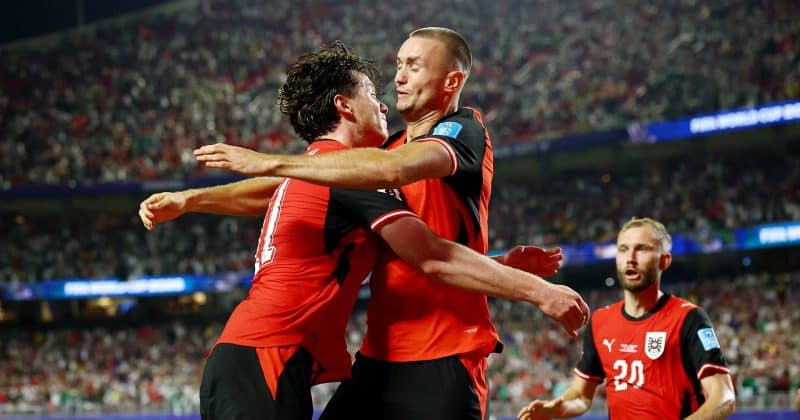
Spain takes on Austria at SoFi Stadium in Inglewood on July 2, and the match matters for more than just football. It’s one of the first high-profile knockout games where every layer of the crypto-sports stack, from fan tokens to prediction markets to exchange sponsorships, is running live at scale during a World Cup.

Kraken, Chainlink, and the crypto infrastructure behind the tournament

On June 9, 2026, Kraken was named FIFA’s Official Crypto Exchange Supporter. That’s a first. No crypto exchange had ever landed that tier of partnership with the governing body of world football.

Then there’s the infrastructure layer. Chainlink oracles are powering FIFA’s official prediction markets, and those markets have reportedly generated billions in cumulative trading volume tied to World Cup outcomes.

Spain’s $SPAIN fan token and the Yamal effect

Spain launched its $SPAIN fan token on Socios.com on June 16, 2026, just weeks before the tournament kicked off. The token gives holders voting rights on minor team decisions and access to exclusive rewards.

Advertisement

A Solana-based token called $YAMAL, tied to the young Barcelona forward, has emerged. But here’s the thing: it’s reporting trading volumes under $10K. That’s essentially a rounding error in crypto markets.

The $YAMAL situation illustrates a recurring problem. Player-linked tokens tend to attract speculation without substance. There’s no official connection to the athlete, no utility beyond hype, and liquidity so thin you could drain the pool with a moderately sized wallet.

FIFA’s blockchain history runs deeper than you think

This isn’t FIFA’s first dance with blockchain technology. The organization has previously explored a Layer 1 solution built on Avalanche. While the details of that exploration haven’t produced a headline-grabbing consumer product yet, it signals that FIFA’s crypto strategy isn’t just about slapping a logo on an exchange partnership.

What this means for investors

First, fan tokens on Socios.com have shown price sensitivity to on-pitch performance, though the correlation is noisy and short-lived.

Second, Kraken’s visibility as FIFA’s crypto exchange partner could drive user acquisition numbers that show up in future earnings or funding discussions.

Third, Chainlink’s role in powering prediction markets at this scale is a legitimate proof point for its oracle network. Billions in cumulative prediction market volume flowing through Chainlink infrastructure is the kind of real-world usage metric that LINK holders have been waiting for.

The risk side is straightforward. Unsanctioned player tokens like $YAMAL are essentially unregulated, illiquid, and disconnected from any real entity. The fan token space more broadly remains vulnerable to regulatory scrutiny, particularly in the EU where securities classification debates are ongoing. And prediction market volumes, while impressive, could attract the same kind of regulatory attention that has dogged platforms like Polymarket in the US.

Disclosure: This article was edited by Editorial Team. For more information on how we create and review content, see our Editorial Policy.

The World Cup’s crypto moment is here, and Spain vs Austria is the perfect lens

The World Cup’s crypto moment is here, and Spain vs Austria is the perfect lens

Fan tokens, prediction markets, and Kraken's FIFA sponsorship are turning the 2026 knockout stage into a live stress test for crypto adoption.

Spain takes on Austria at SoFi Stadium in Inglewood on July 2, and the match matters for more than just football. It’s one of the first high-profile knockout games where every layer of the crypto-sports stack, from fan tokens to prediction markets to exchange sponsorships, is running live at scale during a World Cup.

Kraken, Chainlink, and the crypto infrastructure behind the tournament

On June 9, 2026, Kraken was named FIFA’s Official Crypto Exchange Supporter. That’s a first. No crypto exchange had ever landed that tier of partnership with the governing body of world football.

Then there’s the infrastructure layer. Chainlink oracles are powering FIFA’s official prediction markets, and those markets have reportedly generated billions in cumulative trading volume tied to World Cup outcomes.

Spain’s $SPAIN fan token and the Yamal effect

Spain launched its $SPAIN fan token on Socios.com on June 16, 2026, just weeks before the tournament kicked off. The token gives holders voting rights on minor team decisions and access to exclusive rewards.

Advertisement

A Solana-based token called $YAMAL, tied to the young Barcelona forward, has emerged. But here’s the thing: it’s reporting trading volumes under $10K. That’s essentially a rounding error in crypto markets.

The $YAMAL situation illustrates a recurring problem. Player-linked tokens tend to attract speculation without substance. There’s no official connection to the athlete, no utility beyond hype, and liquidity so thin you could drain the pool with a moderately sized wallet.

FIFA’s blockchain history runs deeper than you think

This isn’t FIFA’s first dance with blockchain technology. The organization has previously explored a Layer 1 solution built on Avalanche. While the details of that exploration haven’t produced a headline-grabbing consumer product yet, it signals that FIFA’s crypto strategy isn’t just about slapping a logo on an exchange partnership.

What this means for investors

First, fan tokens on Socios.com have shown price sensitivity to on-pitch performance, though the correlation is noisy and short-lived.

Second, Kraken’s visibility as FIFA’s crypto exchange partner could drive user acquisition numbers that show up in future earnings or funding discussions.

Third, Chainlink’s role in powering prediction markets at this scale is a legitimate proof point for its oracle network. Billions in cumulative prediction market volume flowing through Chainlink infrastructure is the kind of real-world usage metric that LINK holders have been waiting for.

The risk side is straightforward. Unsanctioned player tokens like $YAMAL are essentially unregulated, illiquid, and disconnected from any real entity. The fan token space more broadly remains vulnerable to regulatory scrutiny, particularly in the EU where securities classification debates are ongoing. And prediction market volumes, while impressive, could attract the same kind of regulatory attention that has dogged platforms like Polymarket in the US.

Disclosure: This article was edited by Editorial Team. For more information on how we create and review content, see our Editorial Policy.