
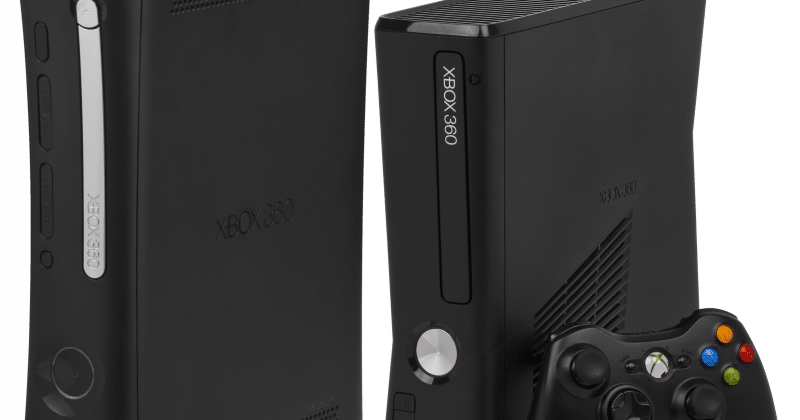
Microsoft axes 3,200 Xbox jobs as gaming division burns 64 cents on every dollar invested
Xbox CEO Asha Sharma calls for a 'reset' as the division prepares to divest multiple game studios and slash roughly 20% of its workforce
Microsoft’s Xbox division is cutting 3,200 jobs, with 1,600 positions eliminated immediately and the remainder staggered over the next 12 months through the end of fiscal 2027. The cuts represent roughly 20% of Xbox’s total workforce and come as part of a broader Microsoft restructuring that touches 4,800 roles globally, about 2.1% of the company’s headcount.
For a company that spent nearly $69 billion acquiring Activision Blizzard less than three years ago, the scale of the pullback is striking. Xbox isn’t just trimming headcount. It’s divesting four game development studios immediately and has started the process of selling a fifth.
The math that forced the decision
Xbox CEO Asha Sharma framed this as an existential correction, not a routine belt-tightening. She characterized the business as needing a “reset,” pointing to operating margins that run 3 to 10 times lower than comparable platforms.
Here’s the number that tells the whole story: Xbox loses 64 cents for every dollar it invests in its studios. In English, for every $100 million poured into game development, the division gets back roughly $36 million.
Sharma indicated the goal is to return the division to growth by 2027, which aligns with the timeline for completing the remaining layoffs.
AI, tech, and the markets they move—in one daily briefing.
Daily. Free. Join 34,000+ readers across crypto, finance, and policy.
Studio sell-offs signal a strategy shift
The decision to divest four studios immediately, with a fifth in the pipeline, marks a philosophical reversal for Xbox. Under previous leadership, the strategy was accumulation. Microsoft went on a studio shopping spree that included Bethesda’s parent company ZeniMax Media in 2021 and Activision Blizzard in 2023, building one of the largest first-party game development operations in the industry.
The 1,600 employees losing their jobs on July 6 join a growing list of gaming industry workers affected by post-pandemic corrections.
What this means for investors
The Activision Blizzard deal was the largest gaming acquisition in history. Watching Microsoft turn around and sell off studios less than three years later raises legitimate questions about whether the integration delivered the synergies that justified the price tag.
Sharma’s 2027 growth target gives investors a concrete timeline to measure against.
For the broader gaming industry, the ripple effects matter too. Four studios hitting the market simultaneously could create buying opportunities for competitors like Sony, Tencent, or Embracer Group. The gaming industry has shed tens of thousands of jobs since 2023, and this latest round from one of the three major platform holders reinforces that the post-pandemic reckoning in gaming is far from over.