
Former top Japan FX official says yen is undervalued by up to 20%, and crypto markets should pay attention

Former top Japan FX official says yen is undervalued by up to 20%, and crypto markets should pay attention

Tatsuo Yamasaki's warning about yen mispricing has massive implications for the carry trade that quietly fuels risk assets like Bitcoin

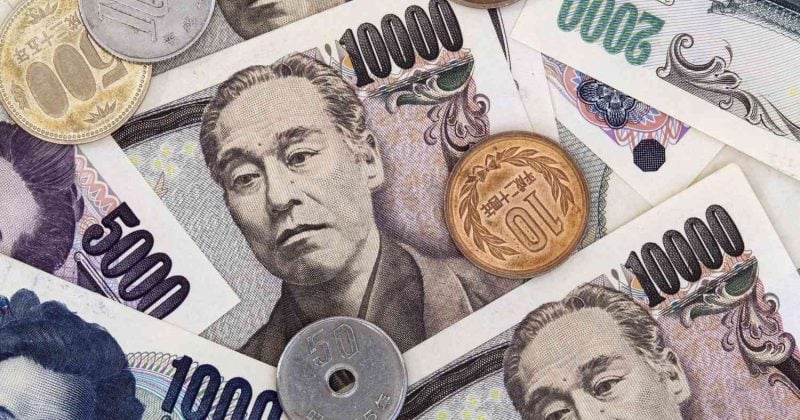
Tatsuo Yamasaki, Japan’s former Vice Finance Minister for International Affairs, says the yen should be roughly 20% stronger than where it currently trades. For anyone holding Bitcoin or other risk assets, that’s not just a currency nerd’s hot take. It’s a flashing signal about one of the most important funding mechanisms in global finance.

Yamasaki pegs fair value for the dollar-yen pair somewhere around 120-130 JPY, a far cry from the 150 JPY neighborhood where the pair has been hanging out. In English: the yen is cheap, and the guy who used to run Japan’s currency intervention playbook thinks it shouldn’t be.

Why a Japanese bureaucrat’s opinion matters for crypto

The yen carry trade is one of the largest shadow leverage systems on the planet. Investors borrow yen at Japan’s rock-bottom interest rates, convert to dollars or other higher-yielding currencies, and deploy that capital into risk assets. Estimates suggest total yen carry-trade exposure runs into the trillions of dollars.

Advertisement

There is a documented correlation between yen short positioning and Bitcoin futures activity on the CME. A weaker yen has historically coincided with increased flows into risk-on assets like Bitcoin, because cheap borrowing costs make leverage irresistible.

Yamasaki’s warnings have a track record. Historical commentary from Yamasaki preceded Japan’s September 2022 currency intervention, when USD/JPY hit historic highs and the Ministry of Finance stepped in to buy yen for the first time since 1998.

The intervention playbook

In April 2024, Yamasaki warned that Japan would intervene in currency markets should the yen fall beyond the 152 JPY mark. Japan has both the reserves and the institutional willingness to defend its currency when officials decide the market has gone too far.

A weak yen makes imports more expensive, which drives up domestic inflation in a country that imports nearly all of its energy, translating directly into higher fuel and food costs for ordinary Japanese households.

Yamasaki’s position also aligns with the Bank of Japan’s shifting monetary stance. The BOJ is projected to raise rates to 1% by mid-2026, which would be the highest level since 1995. If borrowing costs rise while the currency itself strengthens, carry traders are squeezed from both directions.

What this means for crypto investors

The yen-Bitcoin connection isn’t theoretical. When the BOJ surprised markets with a rate hike in August 2024, the resulting yen strength triggered one of the sharpest single-day selloffs in Bitcoin that year. Carry trade unwinding was widely cited as a contributing factor.

As of early 2026, Yamasaki anticipates continued yen strength, particularly as clarity emerges around fiscal policy under Economic Security Minister Sanae Takaichi. The combination of tighter monetary policy from the BOJ and a former FX official publicly declaring the yen is 20% too cheap creates an environment where intervention risk is elevated.

Disclosure: This article was edited by Editorial Team. For more information on how we create and review content, see our Editorial Policy.

Former top Japan FX official says yen is undervalued by up to 20%, and crypto markets should pay attention

Former top Japan FX official says yen is undervalued by up to 20%, and crypto markets should pay attention

Tatsuo Yamasaki's warning about yen mispricing has massive implications for the carry trade that quietly fuels risk assets like Bitcoin

Tatsuo Yamasaki, Japan’s former Vice Finance Minister for International Affairs, says the yen should be roughly 20% stronger than where it currently trades. For anyone holding Bitcoin or other risk assets, that’s not just a currency nerd’s hot take. It’s a flashing signal about one of the most important funding mechanisms in global finance.

Yamasaki pegs fair value for the dollar-yen pair somewhere around 120-130 JPY, a far cry from the 150 JPY neighborhood where the pair has been hanging out. In English: the yen is cheap, and the guy who used to run Japan’s currency intervention playbook thinks it shouldn’t be.

Why a Japanese bureaucrat’s opinion matters for crypto

The yen carry trade is one of the largest shadow leverage systems on the planet. Investors borrow yen at Japan’s rock-bottom interest rates, convert to dollars or other higher-yielding currencies, and deploy that capital into risk assets. Estimates suggest total yen carry-trade exposure runs into the trillions of dollars.

Advertisement

There is a documented correlation between yen short positioning and Bitcoin futures activity on the CME. A weaker yen has historically coincided with increased flows into risk-on assets like Bitcoin, because cheap borrowing costs make leverage irresistible.

Yamasaki’s warnings have a track record. Historical commentary from Yamasaki preceded Japan’s September 2022 currency intervention, when USD/JPY hit historic highs and the Ministry of Finance stepped in to buy yen for the first time since 1998.

The intervention playbook

In April 2024, Yamasaki warned that Japan would intervene in currency markets should the yen fall beyond the 152 JPY mark. Japan has both the reserves and the institutional willingness to defend its currency when officials decide the market has gone too far.

A weak yen makes imports more expensive, which drives up domestic inflation in a country that imports nearly all of its energy, translating directly into higher fuel and food costs for ordinary Japanese households.

Yamasaki’s position also aligns with the Bank of Japan’s shifting monetary stance. The BOJ is projected to raise rates to 1% by mid-2026, which would be the highest level since 1995. If borrowing costs rise while the currency itself strengthens, carry traders are squeezed from both directions.

What this means for crypto investors

The yen-Bitcoin connection isn’t theoretical. When the BOJ surprised markets with a rate hike in August 2024, the resulting yen strength triggered one of the sharpest single-day selloffs in Bitcoin that year. Carry trade unwinding was widely cited as a contributing factor.

As of early 2026, Yamasaki anticipates continued yen strength, particularly as clarity emerges around fiscal policy under Economic Security Minister Sanae Takaichi. The combination of tighter monetary policy from the BOJ and a former FX official publicly declaring the yen is 20% too cheap creates an environment where intervention risk is elevated.

Disclosure: This article was edited by Editorial Team. For more information on how we create and review content, see our Editorial Policy.