
Zoox wins first US approval for paid robotaxis without human controls

Via theverge.com

Zoox wins first US approval for paid robotaxis without human controls

Amazon's autonomous vehicle unit clears a historic federal hurdle, putting steering-wheel-free robotaxis on a path to revenue

For years, the autonomous vehicle industry has been promising a future where you hail a car and no human is sitting up front. Zoox, Amazon’s robotaxi unit, just made that future a little more official.

On July 30, 2026, Zoox received the first-ever commercial exemption from the National Highway Traffic Safety Administration under the agency’s Part 555 process. The approval allows Zoox to deploy its purpose-built, steering-wheel-free robotaxis in paid commercial service, a regulatory first in the United States.

What the exemption actually does

Think of Federal Motor Vehicle Safety Standards as the rulebook every car sold in America has to follow. Steering wheels, brake pedals, certain mirror configurations: all required by default.

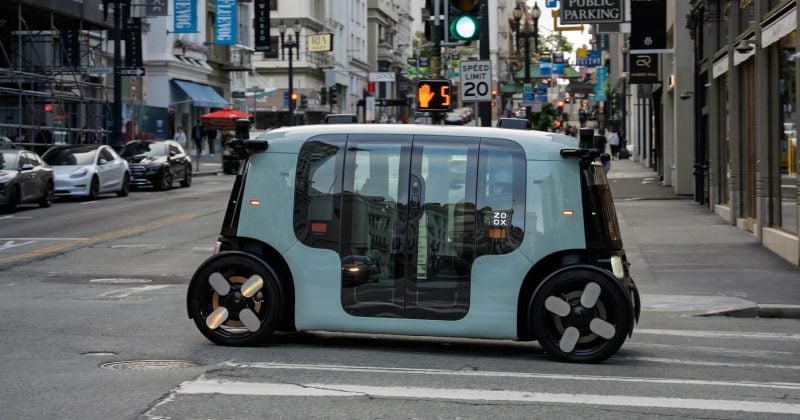
Zoox’s vehicles were never built around those rules. The company designed a four-passenger, bidirectional electric pod from scratch, with no steering wheel, no pedals, and seats facing each other.

Advertisement

The exemption covers up to 2,500 vehicles annually and runs for two years. The vehicle is capable of reaching speeds up to 75 mph.

From free rides to paying customers

Zoox launched public free robotaxi rides in Las Vegas in September 2025, followed by similar operations in San Francisco.

The July 2026 federal exemption unlocks the revenue model. Zoox can now transition those free-ride programs into paid services, though the company still needs state-level sign-off in both Nevada and California before charging passengers.

Beyond its current markets, the company has outlined plans to expand into Austin and Miami later in 2026.

Zoox received an initial demonstration exemption from NHTSA back in August 2025, which allowed for testing of the vehicle’s unconventional design. The July 2026 commercial exemption is a separate, more significant authorization specifically permitting revenue-generating deployment.

The competitive picture

Waymo has been operating paid robotaxi services in multiple US cities for years, accumulating millions of miles of commercial data. Waymo retrofits existing production vehicles, primarily Jaguar I-PACEs and Hyundai Ioniq 5s, with its autonomous driving technology. Zoox built its vehicle from the ground up, designing the hardware and software as a single integrated system.

Tesla’s Cybercab is also targeting this space. Zoox’s federal exemption puts real competitive pressure on every autonomous vehicle program still waiting for its first revenue dollar.

NHTSA has now demonstrated a functional pathway for vehicles that do not conform to traditional FMVSS standards to reach commercial deployment. The two-year, 2,500-vehicle cap on the exemption gives regulators a defined window to observe commercial operations before making broader policy decisions.

Disclosure: This article was edited by Editorial Team. For more information on how we create and review content, see our Editorial Policy.

Zoox wins first US approval for paid robotaxis without human controls

Zoox wins first US approval for paid robotaxis without human controls

Amazon's autonomous vehicle unit clears a historic federal hurdle, putting steering-wheel-free robotaxis on a path to revenue

Via theverge.com

For years, the autonomous vehicle industry has been promising a future where you hail a car and no human is sitting up front. Zoox, Amazon’s robotaxi unit, just made that future a little more official.

On July 30, 2026, Zoox received the first-ever commercial exemption from the National Highway Traffic Safety Administration under the agency’s Part 555 process. The approval allows Zoox to deploy its purpose-built, steering-wheel-free robotaxis in paid commercial service, a regulatory first in the United States.

What the exemption actually does

Think of Federal Motor Vehicle Safety Standards as the rulebook every car sold in America has to follow. Steering wheels, brake pedals, certain mirror configurations: all required by default.

Zoox’s vehicles were never built around those rules. The company designed a four-passenger, bidirectional electric pod from scratch, with no steering wheel, no pedals, and seats facing each other.

Advertisement

The exemption covers up to 2,500 vehicles annually and runs for two years. The vehicle is capable of reaching speeds up to 75 mph.

From free rides to paying customers

Zoox launched public free robotaxi rides in Las Vegas in September 2025, followed by similar operations in San Francisco.

The July 2026 federal exemption unlocks the revenue model. Zoox can now transition those free-ride programs into paid services, though the company still needs state-level sign-off in both Nevada and California before charging passengers.

Beyond its current markets, the company has outlined plans to expand into Austin and Miami later in 2026.

Zoox received an initial demonstration exemption from NHTSA back in August 2025, which allowed for testing of the vehicle’s unconventional design. The July 2026 commercial exemption is a separate, more significant authorization specifically permitting revenue-generating deployment.

The competitive picture

Waymo has been operating paid robotaxi services in multiple US cities for years, accumulating millions of miles of commercial data. Waymo retrofits existing production vehicles, primarily Jaguar I-PACEs and Hyundai Ioniq 5s, with its autonomous driving technology. Zoox built its vehicle from the ground up, designing the hardware and software as a single integrated system.

Tesla’s Cybercab is also targeting this space. Zoox’s federal exemption puts real competitive pressure on every autonomous vehicle program still waiting for its first revenue dollar.

NHTSA has now demonstrated a functional pathway for vehicles that do not conform to traditional FMVSS standards to reach commercial deployment. The two-year, 2,500-vehicle cap on the exemption gives regulators a defined window to observe commercial operations before making broader policy decisions.

Disclosure: This article was edited by Editorial Team. For more information on how we create and review content, see our Editorial Policy.