
 Earn with Nexo


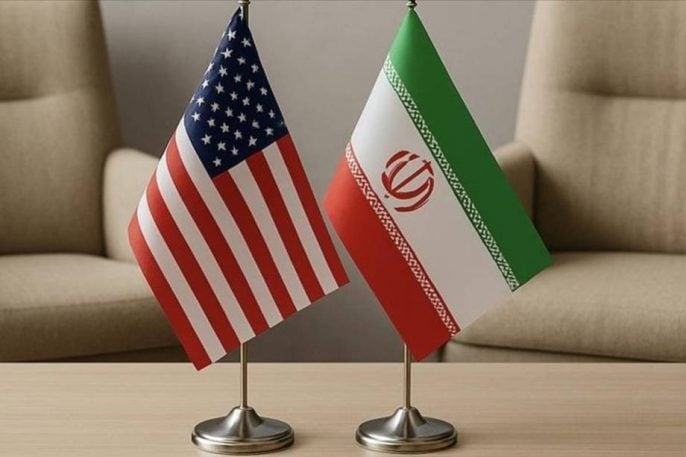
The US naval blockade of Iran is blocking two million barrels of Iranian oil exports daily, and the market for a US-Iran ceasefire by April 15 sits at
Market reaction
The 100% YES reading on the April 15 ceasefire contract is misleading at first glance. With only 3 days left until the deadline, traders are pricing in the near-certainty that no formal ceasefire will materialize by then. The blockade’s direct effect on oil flow and the escalation in military posture both point away from any short-term resolution.
Trump’s potential agreement to Iranian demands by April 30 is also under pressure, with 18 days left until that deadline. The market reflects skepticism: the blockade is a deliberate move to weaken Iran’s oil economy, and it signals US unwillingness to concede under current conditions.
Why it matters
The April 30 contract shows no active volume, which points to trader hesitance during a period of high geopolitical volatility. Cutting off two million barrels per day of oil supply is direct economic warfare, a step beyond the sanctions and limited skirmishes that defined earlier phases of the standoff. This makes an April diplomatic breakthrough less probable.
What to watch
A naval blockade is qualitatively different from sanctions or proxy conflicts. For traders, buying YES on either the ceasefire or the April demands contract at current levels amounts to a contrarian bet on a rapid diplomatic reversal, something that would likely require significant back-channel negotiations or third-party mediation. Key signals to monitor: statements from CENTCOM, any shift in European allies’ positions, or unexpected diplomatic engagements. Any of these could move the odds toward resolution.
API access
Get prediction market intelligence as a structured API feed. Early access waitlist.