
A senior iranian lawmaker insists the Strait of Hormuz belongs to Iran amid legislation review

https://en.wikipedia.org/wiki/Strait_of_Hormuz

A senior iranian lawmaker insists the Strait of Hormuz belongs to Iran amid legislation review

Strait of Hormuz traffic normalization

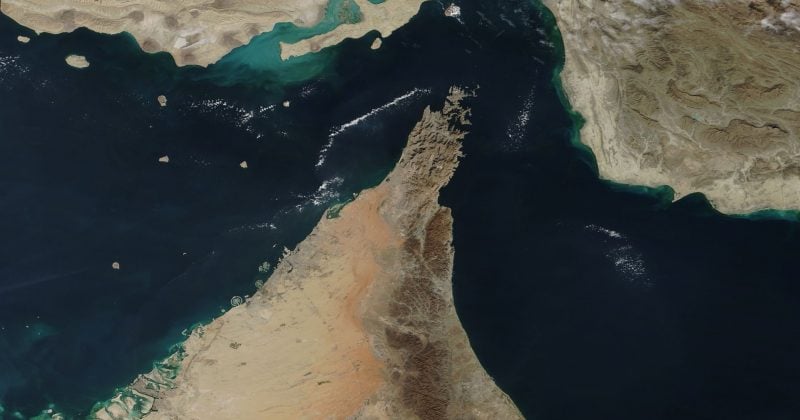
A senior Iranian lawmaker stated on Wednesday that the Strait of Hormuz “belongs to Iran” and emphasized that it would “remain Iranian,” as the Iranian parliament reviews legislation concerning the management of this critical waterway. This development comes amid ongoing tensions between Iran and Western nations over navigation rights in the strait, a vital passage for global oil shipments. The proposed legislation aims to formalize Iran’s approach to managing the strait, potentially including new rules on passage and fees, though international bodies argue Iran cannot unilaterally control transit in the channel. The developments suggest heightened political and legal pressures, with potential impacts on oil transportation and regional security dynamics.

Advertisement

Key Takeaways

  • Recent statements by an Iranian lawmaker appear to reinforce Iran’s control over the strategic Strait of Hormuz, suggesting heightened tensions.
  • Market pricing indicates a declining likelihood of normalization in the Strait of Hormuz traffic by August 31, with odds dropping to 9.5% from 12% in the last 24 hours.
  • The ongoing legislative review in Iran could further complicate international navigation and economic activities in the region.

What to Watch

Observers should monitor upcoming statements from Iran’s government officials, particularly any official announcements from President Masoud Pezeshkian or Supreme Leader Ayatollah Ali Khamenei, which could influence market perceptions. Additionally, watch for any international diplomatic efforts or military activity in the region that may affect the likelihood of traffic normalization in the Strait of Hormuz. Changes in vessel tracking statuses and oil price fluctuations could also provide key indicators of sentiment and geopolitical developments.

Get live prediction-market analysis, powered by Vera. Sign up for Vera.

Disclosure: This article was edited by Estefano Gomez. For more information on how we create and review content, see our Editorial Policy.

A senior iranian lawmaker insists the Strait of Hormuz belongs to Iran amid legislation review

A senior iranian lawmaker insists the Strait of Hormuz belongs to Iran amid legislation review

Strait of Hormuz traffic normalization

https://en.wikipedia.org/wiki/Strait_of_Hormuz

A senior Iranian lawmaker stated on Wednesday that the Strait of Hormuz “belongs to Iran” and emphasized that it would “remain Iranian,” as the Iranian parliament reviews legislation concerning the management of this critical waterway. This development comes amid ongoing tensions between Iran and Western nations over navigation rights in the strait, a vital passage for global oil shipments. The proposed legislation aims to formalize Iran’s approach to managing the strait, potentially including new rules on passage and fees, though international bodies argue Iran cannot unilaterally control transit in the channel. The developments suggest heightened political and legal pressures, with potential impacts on oil transportation and regional security dynamics.

Advertisement

Key Takeaways

  • Recent statements by an Iranian lawmaker appear to reinforce Iran’s control over the strategic Strait of Hormuz, suggesting heightened tensions.
  • Market pricing indicates a declining likelihood of normalization in the Strait of Hormuz traffic by August 31, with odds dropping to 9.5% from 12% in the last 24 hours.
  • The ongoing legislative review in Iran could further complicate international navigation and economic activities in the region.

What to Watch

Observers should monitor upcoming statements from Iran’s government officials, particularly any official announcements from President Masoud Pezeshkian or Supreme Leader Ayatollah Ali Khamenei, which could influence market perceptions. Additionally, watch for any international diplomatic efforts or military activity in the region that may affect the likelihood of traffic normalization in the Strait of Hormuz. Changes in vessel tracking statuses and oil price fluctuations could also provide key indicators of sentiment and geopolitical developments.

Get live prediction-market analysis, powered by Vera. Sign up for Vera.

Disclosure: This article was edited by Estefano Gomez. For more information on how we create and review content, see our Editorial Policy.