
American Bankers Association CEO backs Clarity Act, says banking and crypto can coexist

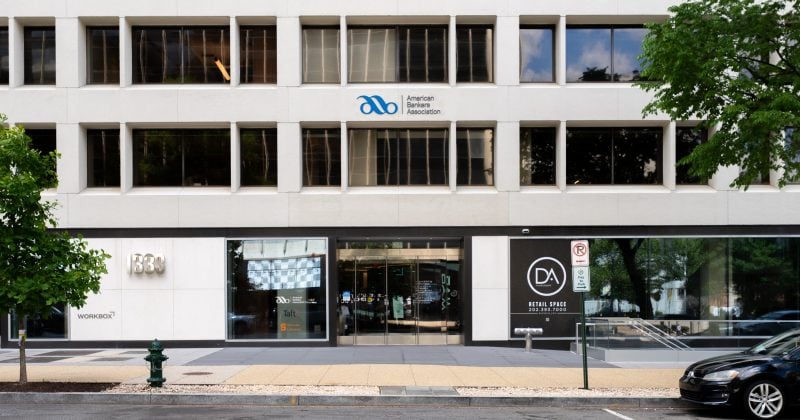
Photo: ajay_suresh / Wikimedia Commons / CC BY 4.0 (https://creativecommons.org/licenses/by/4.0)

American Bankers Association CEO backs Clarity Act, says banking and crypto can coexist

Rob Nichols supports the digital asset bill but wants 'tiny, surgical' changes to protect community banks from deposit flight

The top lobbyist for America’s banking industry just said something that would have been unthinkable a few years ago: crypto legislation is good, actually.

Rob Nichols, president and CEO of the American Bankers Association, publicly endorsed the Digital Asset Market Clarity Act, commonly known as the CLARITY Act, while calling for narrow amendments to protect community banks.

What the ABA actually wants

Nichols isn’t writing the crypto industry a blank check. His support comes with conditions, and those conditions center on a very specific concern: stablecoin yields pulling deposits away from small-town banks.

The ABA has issued statements on July 13 and July 28, 2026, warning that certain provisions in the bill could inadvertently encourage customers to move their money from community bank accounts into stablecoin products offering competitive returns. If a stablecoin can pay you more than your local savings account, your community bank loses deposits, which means it has less money to lend to the small business down the street.

Advertisement

Nichols described the fixes he’s seeking as “tiny” and “surgical.” He’s signaling to lawmakers that the ABA isn’t trying to kill the bill. It’s trying to tweak it.

Where the bill stands in Congress

The CLARITY Act cleared the Senate Banking Committee with a 15-9 vote earlier in 2026. An updated version of the bill was released on July 22, reflecting what appears to be collaborative work among senators to refine the legislation before the upcoming congressional recess.

Nichols has indicated he’s in active discussions with multiple senators about the amendments the ABA wants included. He expressed support for the CLARITY Act on July 21, 2026, in an interview where he emphasized that the ABA is not fundamentally opposed to legislation aimed at clarifying the digital asset market structure.

The broader legislative context matters too. The GENIUS Act, focused specifically on stablecoin regulation, has been moving through Congress in parallel. The two bills together represent the most comprehensive attempt at federal crypto regulation the US has seen.

Why this matters for crypto investors

In the immediate aftermath of Nichols’ comments, there was no noticeable market volatility or specific developments regarding crypto tokens reported.

The community bank concern isn’t trivial. If the final bill doesn’t adequately address deposit migration risks, the ABA could flip from supporter to opponent quickly. Investors should watch the amendment process closely, because the difference between the ABA staying supportive and turning hostile could come down to a single provision about stablecoin yield mechanics.

If the CLARITY Act passes with provisions that explicitly allow banks to participate in digital asset activities, it could accelerate the trend of traditional financial institutions launching their own crypto products, meaning more competition for crypto-native firms from institutions with capital advantages and existing customer relationships.

Disclosure: This article was edited by Editorial Team. For more information on how we create and review content, see our Editorial Policy.

American Bankers Association CEO backs Clarity Act, says banking and crypto can coexist

American Bankers Association CEO backs Clarity Act, says banking and crypto can coexist

Rob Nichols supports the digital asset bill but wants 'tiny, surgical' changes to protect community banks from deposit flight

Photo: ajay_suresh / Wikimedia Commons / CC BY 4.0 (https://creativecommons.org/licenses/by/4.0)

The top lobbyist for America’s banking industry just said something that would have been unthinkable a few years ago: crypto legislation is good, actually.

Rob Nichols, president and CEO of the American Bankers Association, publicly endorsed the Digital Asset Market Clarity Act, commonly known as the CLARITY Act, while calling for narrow amendments to protect community banks.

What the ABA actually wants

Nichols isn’t writing the crypto industry a blank check. His support comes with conditions, and those conditions center on a very specific concern: stablecoin yields pulling deposits away from small-town banks.

The ABA has issued statements on July 13 and July 28, 2026, warning that certain provisions in the bill could inadvertently encourage customers to move their money from community bank accounts into stablecoin products offering competitive returns. If a stablecoin can pay you more than your local savings account, your community bank loses deposits, which means it has less money to lend to the small business down the street.

Advertisement

Nichols described the fixes he’s seeking as “tiny” and “surgical.” He’s signaling to lawmakers that the ABA isn’t trying to kill the bill. It’s trying to tweak it.

Where the bill stands in Congress

The CLARITY Act cleared the Senate Banking Committee with a 15-9 vote earlier in 2026. An updated version of the bill was released on July 22, reflecting what appears to be collaborative work among senators to refine the legislation before the upcoming congressional recess.

Nichols has indicated he’s in active discussions with multiple senators about the amendments the ABA wants included. He expressed support for the CLARITY Act on July 21, 2026, in an interview where he emphasized that the ABA is not fundamentally opposed to legislation aimed at clarifying the digital asset market structure.

The broader legislative context matters too. The GENIUS Act, focused specifically on stablecoin regulation, has been moving through Congress in parallel. The two bills together represent the most comprehensive attempt at federal crypto regulation the US has seen.

Why this matters for crypto investors

In the immediate aftermath of Nichols’ comments, there was no noticeable market volatility or specific developments regarding crypto tokens reported.

The community bank concern isn’t trivial. If the final bill doesn’t adequately address deposit migration risks, the ABA could flip from supporter to opponent quickly. Investors should watch the amendment process closely, because the difference between the ABA staying supportive and turning hostile could come down to a single provision about stablecoin yield mechanics.

If the CLARITY Act passes with provisions that explicitly allow banks to participate in digital asset activities, it could accelerate the trend of traditional financial institutions launching their own crypto products, meaning more competition for crypto-native firms from institutions with capital advantages and existing customer relationships.

Disclosure: This article was edited by Editorial Team. For more information on how we create and review content, see our Editorial Policy.