
AI data centers drive explosive growth in captive insurance market

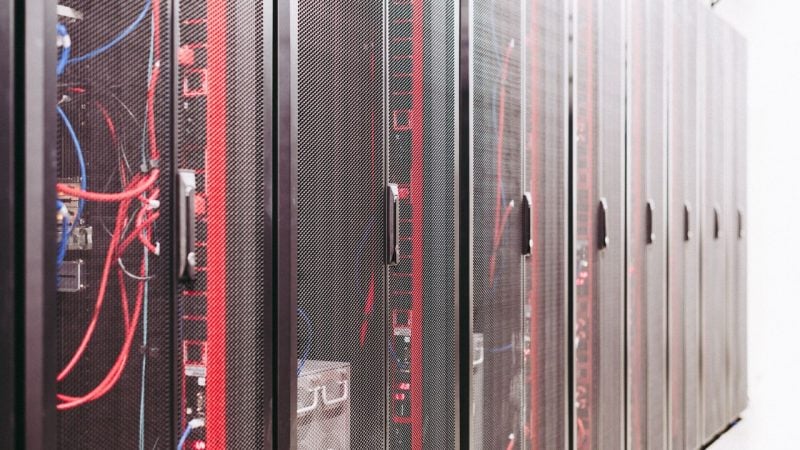
Photo: Brett Sayles / Pexels

AI data centers drive explosive growth in captive insurance market

Hyperscale facilities worth up to $50B each are overwhelming traditional insurers, pushing tech giants toward a risk strategy borrowed from mining and energy companies.

When a single data center campus carries an insurable value north of $10 billion, the traditional insurance market starts to buckle. That’s exactly what’s happening as AI-driven hyperscale facilities proliferate across the US, and the insurance industry’s response is reshaping how corporate risk gets managed at the highest levels.

Global captive insurance premiums have surged to roughly $240 billion across more than 6,000 captives, a nearly 20% increase over just two years. The catalyst behind much of that growth: mega AI data centers whose sheer scale has outstripped what conventional insurers can comfortably cover.

Too big for the old playbook

Captive insurance is, in simple terms, a company creating its own insurance subsidiary to cover risks that outside insurers won’t touch, or won’t touch at a reasonable price. It’s a strategy long favored by mining companies, offshore drillers, and energy firms, the kinds of businesses where a single bad day can cost billions.

Now the tech sector is borrowing from that playbook. Hyperscale data center constructions carry insurable values ranging from $10 billion to $30 billion per facility. Factor in the installed equipment, think rows upon rows of high-end GPUs and networking gear, and estimates can stretch to $20 billion to $50 billion.

Advertisement

Michael Serricchio, Marsh’s US and Canada captive solutions leader, has pointed to this dynamic as the force behind what he describes as explosive growth in captive insurance for data center risks. When a company like Meta Platforms is building out its Hyperion campus, the project’s value and complexity surpass what conventional insurance structures were designed to handle.

S&P Global Ratings has echoed that assessment, noting that capacity limitations in the broader insurance market will push hyperscale projects toward greater reliance on captives and alternative capital sources.

The numbers behind the shift

The demand signal is showing up in concrete ways. Aon expanded its Data Center Lifecycle Insurance Program from $3.5 billion to $5 billion in capacity, a 43% increase that reflects just how quickly coverage needs are scaling alongside the facilities themselves.

Swiss Re has estimated that the ongoing construction and operation of AI-driven data centers could generate approximately $91 billion in cumulative insurance premiums by 2030. That figure alone represents a massive new revenue pool for the insurance industry, but it also highlights the concentration of risk that comes with it.

These aren’t evenly distributed bets across thousands of small policies. They’re enormous, geographically concentrated exposures. That geographic concentration is one reason why the market is also seeing growing interest in layered insurance programs, reinsurance arrangements, and catastrophe bonds as tools to spread the risk.

Catastrophe bonds are essentially a way for insurers to offload extreme risk to capital markets investors. If a specified disaster doesn’t happen, investors earn attractive yields. If it does, they lose their principal.

Why tech companies are becoming their own insurers

The shift toward captives isn’t just about capacity. It’s about control. When a company self-insures through a captive, it retains more flexibility over claims management, pricing, and the specific risks it chooses to cover.

Traditional commercial insurance policies come with standardized terms that may not account for the unique risks of a facility housing thousands of AI accelerators running at maximum thermal output around the clock. Business interruption coverage, for instance, takes on a different dimension when a single hour of downtime for a major AI training cluster can cost millions in lost compute time and delayed model development.

Disclosure: This article was edited by Editorial Team. For more information on how we create and review content, see our Editorial Policy.
AI data centers drive explosive growth in captive insurance market

Hyperscale facilities worth up to $50B each are overwhelming traditional insurers, pushing tech giants toward a risk strategy borrowed from mining and energy companies.

Photo: Brett Sayles / Pexels

When a single data center campus carries an insurable value north of $10 billion, the traditional insurance market starts to buckle. That’s exactly what’s happening as AI-driven hyperscale facilities proliferate across the US, and the insurance industry’s response is reshaping how corporate risk gets managed at the highest levels.

Global captive insurance premiums have surged to roughly $240 billion across more than 6,000 captives, a nearly 20% increase over just two years. The catalyst behind much of that growth: mega AI data centers whose sheer scale has outstripped what conventional insurers can comfortably cover.

Too big for the old playbook

Captive insurance is, in simple terms, a company creating its own insurance subsidiary to cover risks that outside insurers won’t touch, or won’t touch at a reasonable price. It’s a strategy long favored by mining companies, offshore drillers, and energy firms, the kinds of businesses where a single bad day can cost billions.

Now the tech sector is borrowing from that playbook. Hyperscale data center constructions carry insurable values ranging from $10 billion to $30 billion per facility. Factor in the installed equipment, think rows upon rows of high-end GPUs and networking gear, and estimates can stretch to $20 billion to $50 billion.

Advertisement

Michael Serricchio, Marsh’s US and Canada captive solutions leader, has pointed to this dynamic as the force behind what he describes as explosive growth in captive insurance for data center risks. When a company like Meta Platforms is building out its Hyperion campus, the project’s value and complexity surpass what conventional insurance structures were designed to handle.

S&P Global Ratings has echoed that assessment, noting that capacity limitations in the broader insurance market will push hyperscale projects toward greater reliance on captives and alternative capital sources.

The numbers behind the shift

The demand signal is showing up in concrete ways. Aon expanded its Data Center Lifecycle Insurance Program from $3.5 billion to $5 billion in capacity, a 43% increase that reflects just how quickly coverage needs are scaling alongside the facilities themselves.

Swiss Re has estimated that the ongoing construction and operation of AI-driven data centers could generate approximately $91 billion in cumulative insurance premiums by 2030. That figure alone represents a massive new revenue pool for the insurance industry, but it also highlights the concentration of risk that comes with it.

These aren’t evenly distributed bets across thousands of small policies. They’re enormous, geographically concentrated exposures. That geographic concentration is one reason why the market is also seeing growing interest in layered insurance programs, reinsurance arrangements, and catastrophe bonds as tools to spread the risk.

Catastrophe bonds are essentially a way for insurers to offload extreme risk to capital markets investors. If a specified disaster doesn’t happen, investors earn attractive yields. If it does, they lose their principal.

Why tech companies are becoming their own insurers

The shift toward captives isn’t just about capacity. It’s about control. When a company self-insures through a captive, it retains more flexibility over claims management, pricing, and the specific risks it chooses to cover.

Traditional commercial insurance policies come with standardized terms that may not account for the unique risks of a facility housing thousands of AI accelerators running at maximum thermal output around the clock. Business interruption coverage, for instance, takes on a different dimension when a single hour of downtime for a major AI training cluster can cost millions in lost compute time and delayed model development.

Disclosure: This article was edited by Editorial Team. For more information on how we create and review content, see our Editorial Policy.