
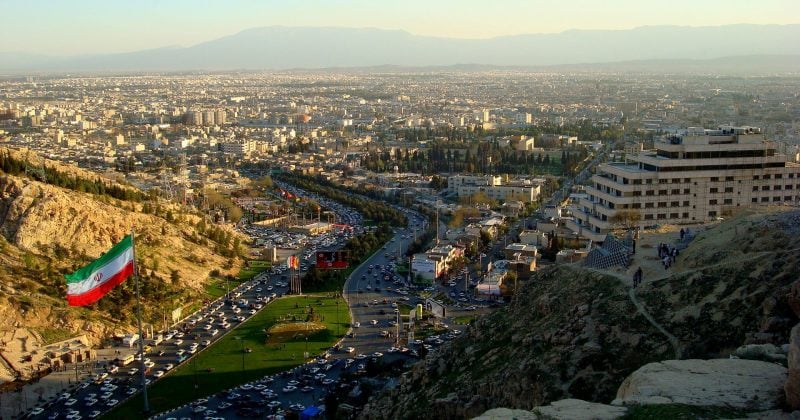
Airstrike targets Iran Electronics Industries in Shiraz amid Israel-Iran conflict

Wikipedia/Darvaze_Ghoran11.jpg

Airstrike targets Iran Electronics Industries in Shiraz amid Israel-Iran conflict

Iran full airspace closure

An airstrike reportedly targeted Iran Electronics Industries in northwest Shiraz, intensifying the ongoing conflict between Israel and Iran. The attack follows the collapse of an interim truce on July 8, which was brokered by U.S. President Trump. The facility, known for producing radar and electronic equipment, has been sanctioned by the U.S. and EU, highlighting its strategic importance. This incident adds to the series of escalations as Israel resumes its assaults on Iranian targets, potentially impacting the market’s perception of regional stability and airspace security.

Advertisement

Key Takeaways

  • The explosion in Shiraz appears consistent with continued military escalation in the region, suggesting market participants may view increased risk of further conflict.
  • Recent airstrikes targeting Iran’s military infrastructure indicate heightened tensions, which are reflected in market pricing for potential airspace closure.
  • Market pricing suggests an increased likelihood of a full Iranian airspace closure by the end of July, as seen in the adjusted probabilities.

What to Watch

Key indicators to monitor include announcements from the Civil Aviation Organization of Iran (CAOI) regarding airspace status, and any official statements from involved governments. A formal closure of Iranian airspace or confirmation of U.S. involvement in the strikes could further influence market expectations, supporting scenarios of increased military engagement. Additionally, any diplomatic moves or ceasefire efforts by international actors such as the U.S. or UN may alter current market trends.

Get live prediction-market analysis, powered by Vera. Sign up for Vera.

Disclosure: This article was edited by Estefano Gomez. For more information on how we create and review content, see our Editorial Policy.

Airstrike targets Iran Electronics Industries in Shiraz amid Israel-Iran conflict

Airstrike targets Iran Electronics Industries in Shiraz amid Israel-Iran conflict

Iran full airspace closure

Wikipedia/Darvaze_Ghoran11.jpg

An airstrike reportedly targeted Iran Electronics Industries in northwest Shiraz, intensifying the ongoing conflict between Israel and Iran. The attack follows the collapse of an interim truce on July 8, which was brokered by U.S. President Trump. The facility, known for producing radar and electronic equipment, has been sanctioned by the U.S. and EU, highlighting its strategic importance. This incident adds to the series of escalations as Israel resumes its assaults on Iranian targets, potentially impacting the market’s perception of regional stability and airspace security.

Advertisement

Key Takeaways

  • The explosion in Shiraz appears consistent with continued military escalation in the region, suggesting market participants may view increased risk of further conflict.
  • Recent airstrikes targeting Iran’s military infrastructure indicate heightened tensions, which are reflected in market pricing for potential airspace closure.
  • Market pricing suggests an increased likelihood of a full Iranian airspace closure by the end of July, as seen in the adjusted probabilities.

What to Watch

Key indicators to monitor include announcements from the Civil Aviation Organization of Iran (CAOI) regarding airspace status, and any official statements from involved governments. A formal closure of Iranian airspace or confirmation of U.S. involvement in the strikes could further influence market expectations, supporting scenarios of increased military engagement. Additionally, any diplomatic moves or ceasefire efforts by international actors such as the U.S. or UN may alter current market trends.

Get live prediction-market analysis, powered by Vera. Sign up for Vera.

Disclosure: This article was edited by Estefano Gomez. For more information on how we create and review content, see our Editorial Policy.