
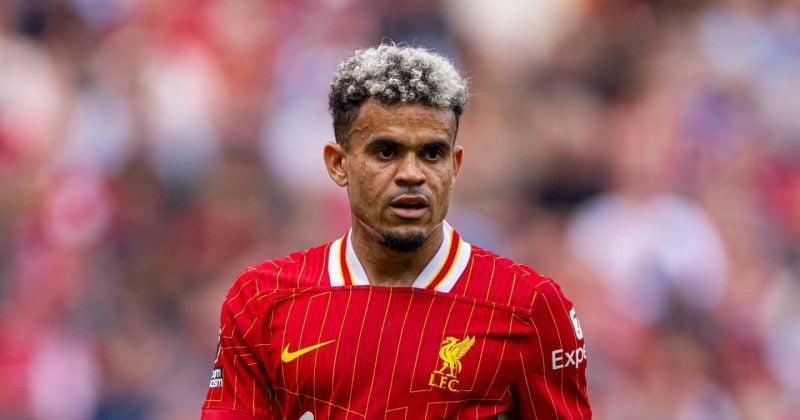
Al Hilal targets Luis Díaz with €25M salary offer as Saudi football spending spree continues
The Saudi Pro League club's aggressive recruitment push highlights how Gulf state wealth is reshaping global football economics, with implications for sports-linked digital assets.
Al Hilal is making another big-money move. The Saudi Pro League powerhouse is pursuing Colombian forward Luis Díaz with a proposed annual salary package of €25 million, nearly doubling his reported €14 million-per-year deal at Bayern Munich.
Liverpool’s sporting director Richard Hughes is reportedly in advanced negotiations to join Al Hilal, adding another layer to what’s becoming a familiar pattern: Saudi clubs writing checks that make European giants look like they’re shopping at a discount rack.
The numbers behind Al Hilal’s latest recruitment push
Díaz is currently under contract with Bayern Munich through 2029. His existing deal reportedly pays him around €14 million per year. Al Hilal’s offer would represent roughly a 79% raise, the kind of bump that tends to make long-term contracts feel a lot more flexible.
Al Hilal recently completed a €68 million acquisition of Crysencio Summerville from West Ham United. The club has been on a sustained spending tear, accumulating talent at a pace that makes even the wealthiest European clubs pause and take notice.
Richard Hughes’ involvement is particularly noteworthy. His potential move from Liverpool’s sporting director role to Al Hilal suggests that the club is not just throwing money at players but building out a sophisticated executive infrastructure to manage its ambitions, recruiting both on the pitch and in the boardroom simultaneously.
The news moving money, markets, and the world—before your day starts.
Daily. Free. Join 34,000+ readers across crypto, finance, and policy.
Why crypto watchers should care about a football transfer
The negotiations are being conducted through entirely conventional financial channels, with traditional salary structures and standard transfer mechanisms. No tokenized elements, no digital asset components, no Web3 partnerships have been announced alongside the recruitment push.
The Saudi Pro League was once seen as a natural frontier for sports-crypto convergence. The combination of massive capital deployment, a young tech-savvy population, and government-level interest in digital transformation seemed tailor-made for blockchain integration into football operations. The fact that one of the league’s biggest clubs is now pursuing one of the most expensive player acquisitions in its history without any crypto component is worth noting.
What this means for investors in sports-linked digital assets
The sports token market has already experienced significant corrections from its peaks. Platforms that specialized in fan engagement tokens saw trading volumes decline substantially as the broader crypto market cooled. Major football clubs that once prominently featured crypto partnerships in their marketing materials have quietly let sponsorship deals expire or reduced their visibility.
When the clubs with the most money to spend choose traditional finance over crypto-native alternatives, it sends a signal to the rest of the industry. For investors holding positions in sports-related tokens or platforms that facilitate fan engagement through blockchain technology, this is a data point worth incorporating into their thesis.