
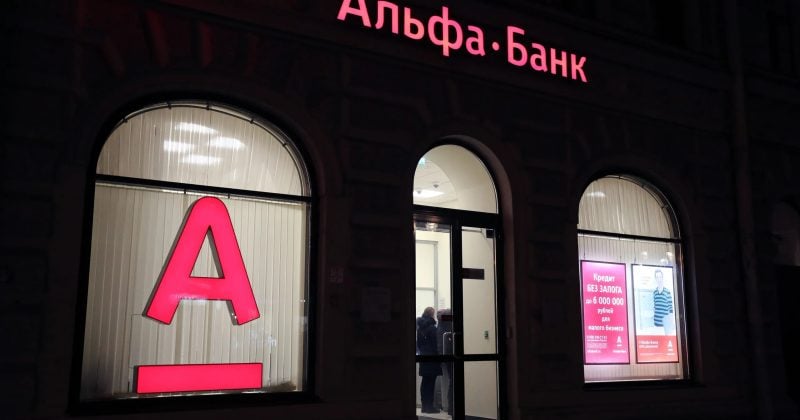
Alfa Bank plans to offer crypto services and become a digital depository
Russia's largest private bank is positioning itself as a regulated crypto custodian ahead of new laws taking effect July 1, 2026
Russia’s biggest private bank wants to hold your crypto. Alfa-Bank has announced plans to launch cryptocurrency services for both individual and corporate clients, with ambitions to operate as a licensed digital depository once new regulations kick in on July 1, 2026.
What Alfa-Bank is actually building
Alfa-Bank isn’t exactly starting from scratch here. The bank launched its A-Token platform back in February 2023, focused on digital financial assets, or DFAs. These are tokenized instruments that exist under Russia’s existing legal framework, essentially a halfway house between traditional securities and full-blown crypto.
A-Token has supported 86 issuances worth RUB 37.5 billion, which accounts for roughly 45% of the total DFA transaction volume in Russia during 2023.
With Russia’s new regulatory framework set to legalize a structured crypto market on July 1, 2026, Alfa-Bank is positioning itself to become a licensed intermediary and digital depository. The bank has also dipped into more creative tokenization projects, including hybrid gold-linked DFAs and tokenizations for subsidiaries of Rosatom, Russia’s state nuclear energy corporation.
Russia’s new crypto rules, explained
The July 1, 2026 date marks the rollout of a comprehensive regulatory framework that will introduce licensed intermediaries for crypto activities, establish rules for crypto exchanges, and create the legal foundation for digital depositories.
Macro, rates, and crypto—what moved markets and what matters next.
Daily. Free. Join 34,000+ readers across crypto, finance, and policy.
Alfa-Bank isn’t the only major Russian bank eyeing this opportunity. Sberbank, the country’s largest state-owned bank, is developing plans for crypto wallets and its own digital depository, with a launch target of December 2026. That gives Alfa-Bank a roughly six-month head start if it hits its July deadline.
Why this matters for global crypto markets
Russia remains under extensive Western sanctions, which limits cross-border capital flows and could restrict how these crypto services interact with global markets.
Alfa-Bank’s 45% share of Russia’s DFA market gives it a significant first-mover advantage in the transition to full crypto services. Whether the July 1 framework launches on schedule, and whether the licensing process moves fast enough for banks to actually operate as planned, remains an open question. Alfa-Bank’s existing infrastructure through A-Token gives it a buffer that newer entrants won’t have, but regulatory delays could still compress that competitive advantage against Sberbank’s December timeline.