
Amazon’s Zoox wants to put 2,500 driverless robotaxis on US roads every year

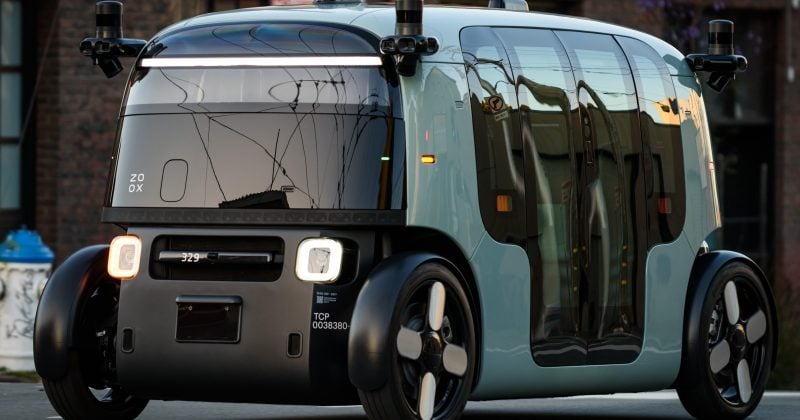
Photo: 9yz / Wikimedia Commons / CC BY 4.0 (https://creativecommons.org/licenses/by/4.0)

Amazon’s Zoox wants to put 2,500 driverless robotaxis on US roads every year

The e-commerce giant's autonomous vehicle unit is seeking federal exemptions to deploy steering-wheel-free robotaxis in major cities, signaling a new phase in the self-driving race.

Amazon’s autonomous vehicle subsidiary Zoox is pushing to deploy up to 2,500 driverless vehicles annually on US roads over the next two years. The company has petitioned the National Highway Traffic Safety Administration for exemptions that would let it operate robotaxis without steering wheels, brake pedals, or even windshields.

What Zoox is actually asking for

The petition, filed in August 2025, requests exemptions from eight federal vehicle safety standards. These are the rules that currently require things like steering columns and rearview mirrors, features that make zero sense when there’s no human behind the wheel.

Advertisement

The robotaxis themselves are fully electric, designed to travel bidirectionally at speeds up to 75 mph.

Public comment on the petition opened on March 10, 2026. The target cities for deployment include Las Vegas, San Francisco, Austin, and Miami.

Currently, Zoox operates under approvals limited to research and demonstration purposes only. This petition represents a clear pivot toward commercial operations, meaning actual paying customers climbing into robotaxis without a safety driver present.

The bigger picture for autonomous vehicles

Amazon acquired Zoox back in 2020 for a reported $1.2B. Rather than retrofitting existing vehicles with self-driving tech, the company designed its vehicle from scratch with no accommodation for human drivers whatsoever.

The regulatory environment has been shifting in favor of autonomous vehicles under the current administration. Federal discussions around modernizing vehicle safety standards have accelerated, reflecting a broader policy commitment to advanced autonomous technologies. The 2,500-vehicle annual cap in Zoox’s petition is actually the maximum number NHTSA can grant under existing exemption authority, so Zoox is essentially asking for every unit the agency is legally allowed to approve.

Disclosure: This article was edited by Editorial Team. For more information on how we create and review content, see our Editorial Policy.

Amazon’s Zoox wants to put 2,500 driverless robotaxis on US roads every year

Amazon’s Zoox wants to put 2,500 driverless robotaxis on US roads every year

The e-commerce giant's autonomous vehicle unit is seeking federal exemptions to deploy steering-wheel-free robotaxis in major cities, signaling a new phase in the self-driving race.

Photo: 9yz / Wikimedia Commons / CC BY 4.0 (https://creativecommons.org/licenses/by/4.0)

Amazon’s autonomous vehicle subsidiary Zoox is pushing to deploy up to 2,500 driverless vehicles annually on US roads over the next two years. The company has petitioned the National Highway Traffic Safety Administration for exemptions that would let it operate robotaxis without steering wheels, brake pedals, or even windshields.

What Zoox is actually asking for

The petition, filed in August 2025, requests exemptions from eight federal vehicle safety standards. These are the rules that currently require things like steering columns and rearview mirrors, features that make zero sense when there’s no human behind the wheel.

Advertisement

The robotaxis themselves are fully electric, designed to travel bidirectionally at speeds up to 75 mph.

Public comment on the petition opened on March 10, 2026. The target cities for deployment include Las Vegas, San Francisco, Austin, and Miami.

Currently, Zoox operates under approvals limited to research and demonstration purposes only. This petition represents a clear pivot toward commercial operations, meaning actual paying customers climbing into robotaxis without a safety driver present.

The bigger picture for autonomous vehicles

Amazon acquired Zoox back in 2020 for a reported $1.2B. Rather than retrofitting existing vehicles with self-driving tech, the company designed its vehicle from scratch with no accommodation for human drivers whatsoever.

The regulatory environment has been shifting in favor of autonomous vehicles under the current administration. Federal discussions around modernizing vehicle safety standards have accelerated, reflecting a broader policy commitment to advanced autonomous technologies. The 2,500-vehicle annual cap in Zoox’s petition is actually the maximum number NHTSA can grant under existing exemption authority, so Zoox is essentially asking for every unit the agency is legally allowed to approve.

Disclosure: This article was edited by Editorial Team. For more information on how we create and review content, see our Editorial Policy.