
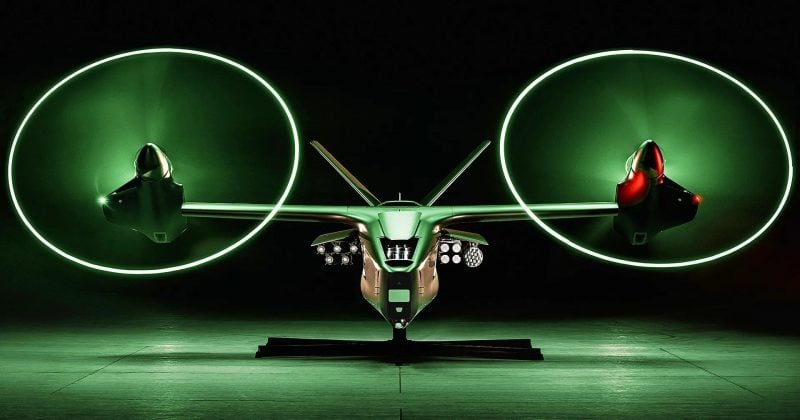
Anduril launches Thunder helicopter strike drone as defense tech valuations soar
The $61 billion defense startup adds an autonomous helicopter drone to its growing arsenal, signaling where venture capital's biggest bets are heading.
Anduril Industries just added a helicopter to its lineup. An autonomous, strike-capable helicopter drone called Thunder, to be precise.
The company founded by Palmer Luckey in 2017 has been on an absolute tear, reaching a $61 billion valuation as of May 2026.
What Thunder actually is
Thunder is an autonomous helicopter strike drone built under what Anduril calls its “Autonomy For Attack Aviation” initiative. The drone runs on Anduril’s Lattice AI platform, which serves as the brain across the company’s autonomous systems, letting these drones make decisions in real time without a human babysitting every maneuver.
Production is happening at Arsenal-1, Anduril’s manufacturing facility in Ohio. The same facility began ramping up production of Fury drones back in March 2026. Thunder benefits from similar manufacturing infrastructure and software capabilities.
Thunder is designed to work alongside existing systems like Fury for strike missions, creating a layered autonomous attack capability.
The defense contract pipeline
On June 17, 2026, Anduril was awarded a significant contract from the US Air Force for its Collaborative Combat Aircraft program. The CCA program is essentially the Pentagon’s bet on autonomous wingmen, drones that fly alongside manned fighter jets and handle the dangerous stuff.
AI, tech, and the markets they move—in one daily briefing.
Daily. Free. Join 34,000+ readers across crypto, finance, and policy.
This contract follows a pattern of increasingly large defense deals for Anduril, including earlier successes with Army contracts.
Why crypto investors should pay attention
Thunder doesn’t run on a blockchain. There’s no token, no airdrop, no governance vote on which targets it engages. But the broader dynamics at play here matter for anyone allocating capital across technology sectors.
When defense tech companies command $61 billion valuations with clear revenue paths through government contracts, that creates gravitational pull on venture dollars that might otherwise flow into Web3 or DeFi projects.
The technology overlap is real even if the current applications aren’t crypto-native. Autonomous systems like Thunder require secure, tamper-proof communication networks, supply chain integrity for components manufactured across multiple facilities, and verifiable data provenance for the intelligence they act on. These are problems that blockchain and distributed ledger technologies are designed to solve. Defense supply chain verification is a use case that multiple blockchain projects have explored at the enterprise level.
The same Congressional committees that debate crypto regulation also oversee defense procurement and AI governance. The Pentagon’s comfort level with AI making real-time autonomous decisions sets a ceiling for how restrictive regulators can credibly be about AI in financial applications. If the military trusts AI to conduct strike missions, it becomes harder to argue that AI can’t be trusted to manage a yield strategy.