
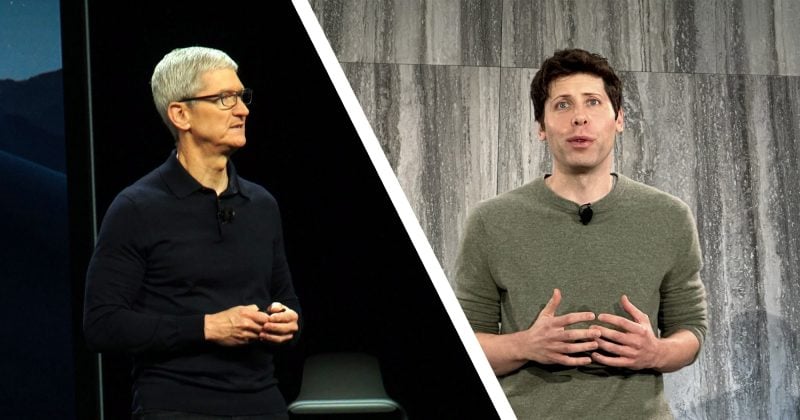
Apple has filed a federal lawsuit accusing OpenAI and former Apple employees of misappropriating trade secrets to develop AI hardware products. The lawsuit, filed in Northern California, names OpenAI’s chief hardware officer Tang Tan and former Apple engineer Chang Liu as key figures in the alleged theft. This legal action occurs within the broader context of a competitive race between Apple and OpenAI to lead in consumer AI hardware. Apple seeks injunctive relief and expedited discovery amid claims that further former employees may be involved.
Markets appear to view this legal development as a potential negative for OpenAI’s valuation prospects. The accusations could impact OpenAI’s reputation and its ability to attract future partnerships or investments. Current market pricing suggests a decrease in confidence regarding OpenAI achieving its high valuation targets by the end of the year.
Key Takeaways
- Apple appears to accuse OpenAI of leveraging former employees and confidential materials to advance its AI hardware.
- Market pricing suggests participants view this lawsuit as potentially hindering OpenAI’s valuation prospects.
- The legal dispute is set against a backdrop of previous Apple trade-secret cases and could influence market perceptions of OpenAI.
What to Watch
Watch for any official statements or responses from OpenAI or Apple, as these could further influence market perspectives. Developments in the lawsuit, such as court rulings or settlements, may indicate shifts in market confidence regarding OpenAI’s valuation. Additionally, any new partnerships or funding announcements by OpenAI could counteract some of the negative sentiment. The unfolding legal proceedings will be a key area of focus in the coming months as the situation evolves.