
Argentina renews $19B currency swap with China’s central bank, locking in reserves through 2027 election

Via scmp.com

Argentina renews $19B currency swap with China’s central bank, locking in reserves through 2027 election

The five-year extension with the People's Bank of China covers more than 40% of Argentina's international reserves and arrives amid significant U.S. pressure to reduce Beijing dependence.

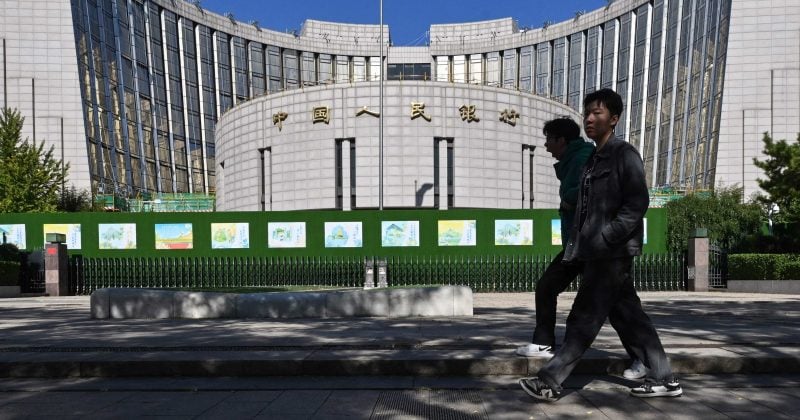
Argentina just secured its financial floor through the next presidential election, and it did so by doubling down on a relationship Washington would rather see wound down. The country’s central bank, the BCRA, has renewed its currency swap line with the People’s Bank of China for another five years, keeping roughly $19 billion in reserve access on the books through 2028.

The agreement, denominated at CNY 130 billion, is not a new arrangement. It’s a renewal of a lifeline that has been in place since 2009, expanded and extended multiple times over the past decade and a half. At peak usage, this swap has accounted for over 40% of Argentina’s total international reserves.

Why this matters beyond Argentina’s borders

The previous arrangement was set to expire on August 6, 2026, after a three-year term. This new deal runs five years, a longer commitment than the last one, which signals that both Beijing and Buenos Aires wanted more runway, not less.

Advertisement

President Javier Milei and Economy Minister Luis Caputo are the faces of Argentina’s current economic pivot toward pro-market reform. The renewal of a multi-billion-dollar financial backstop with China puts him in a genuinely awkward position, navigating pressure from the U.S. to reduce dependence on Chinese financing while simultaneously keeping the lights on domestically.

Argentina is also in active discussions with the IMF. The swap line functions as a critical backstop when IMF access is constrained or conditional. Letting it lapse would have left the BCRA exposed at exactly the moment it needs cover.

The crypto angle: stability as a catalyst

Argentina has one of the highest rates of crypto adoption anywhere in the world. The swap renewal does not involve any crypto assets. There are no tokens, no protocols, no blockchain components anywhere in this deal. But a more stable reserve position gives the Milei administration more political and economic room to pursue digital asset initiatives without the immediate pressure of a reserves crisis dominating every policy conversation.

What investors should watch

For crypto investors with exposure to Latin American markets or to assets with significant Argentine user bases, a few dynamics are worth tracking. When the peso holds relatively steady, Argentine users sometimes rotate from stablecoins back toward more speculative assets. When it deteriorates, stablecoin demand, particularly for USDT and USDC, tends to spike.

The U.S. has been explicit about wanting Argentina to reduce its financial exposure to China. Argentina just did the opposite. That tension puts Milei in a position where he may need to offer Washington something else, potentially in trade policy, investment frameworks, or regulatory alignment on financial technology, including crypto.

The activated portions of Argentina’s existing swap carry repayment schedules designed for gradual wind-down, meaning the BCRA isn’t simply hoarding Chinese credit. It’s managing a living financial instrument that requires ongoing discipline.

Disclosure: This article was edited by Editorial Team. For more information on how we create and review content, see our Editorial Policy.

Argentina renews $19B currency swap with China’s central bank, locking in reserves through 2027 election

Argentina renews $19B currency swap with China’s central bank, locking in reserves through 2027 election

The five-year extension with the People's Bank of China covers more than 40% of Argentina's international reserves and arrives amid significant U.S. pressure to reduce Beijing dependence.

Via scmp.com

Argentina just secured its financial floor through the next presidential election, and it did so by doubling down on a relationship Washington would rather see wound down. The country’s central bank, the BCRA, has renewed its currency swap line with the People’s Bank of China for another five years, keeping roughly $19 billion in reserve access on the books through 2028.

The agreement, denominated at CNY 130 billion, is not a new arrangement. It’s a renewal of a lifeline that has been in place since 2009, expanded and extended multiple times over the past decade and a half. At peak usage, this swap has accounted for over 40% of Argentina’s total international reserves.

Why this matters beyond Argentina’s borders

The previous arrangement was set to expire on August 6, 2026, after a three-year term. This new deal runs five years, a longer commitment than the last one, which signals that both Beijing and Buenos Aires wanted more runway, not less.

Advertisement

President Javier Milei and Economy Minister Luis Caputo are the faces of Argentina’s current economic pivot toward pro-market reform. The renewal of a multi-billion-dollar financial backstop with China puts him in a genuinely awkward position, navigating pressure from the U.S. to reduce dependence on Chinese financing while simultaneously keeping the lights on domestically.

Argentina is also in active discussions with the IMF. The swap line functions as a critical backstop when IMF access is constrained or conditional. Letting it lapse would have left the BCRA exposed at exactly the moment it needs cover.

The crypto angle: stability as a catalyst

Argentina has one of the highest rates of crypto adoption anywhere in the world. The swap renewal does not involve any crypto assets. There are no tokens, no protocols, no blockchain components anywhere in this deal. But a more stable reserve position gives the Milei administration more political and economic room to pursue digital asset initiatives without the immediate pressure of a reserves crisis dominating every policy conversation.

What investors should watch

For crypto investors with exposure to Latin American markets or to assets with significant Argentine user bases, a few dynamics are worth tracking. When the peso holds relatively steady, Argentine users sometimes rotate from stablecoins back toward more speculative assets. When it deteriorates, stablecoin demand, particularly for USDT and USDC, tends to spike.

The U.S. has been explicit about wanting Argentina to reduce its financial exposure to China. Argentina just did the opposite. That tension puts Milei in a position where he may need to offer Washington something else, potentially in trade policy, investment frameworks, or regulatory alignment on financial technology, including crypto.

The activated portions of Argentina’s existing swap carry repayment schedules designed for gradual wind-down, meaning the BCRA isn’t simply hoarding Chinese credit. It’s managing a living financial instrument that requires ongoing discipline.

Disclosure: This article was edited by Editorial Team. For more information on how we create and review content, see our Editorial Policy.