
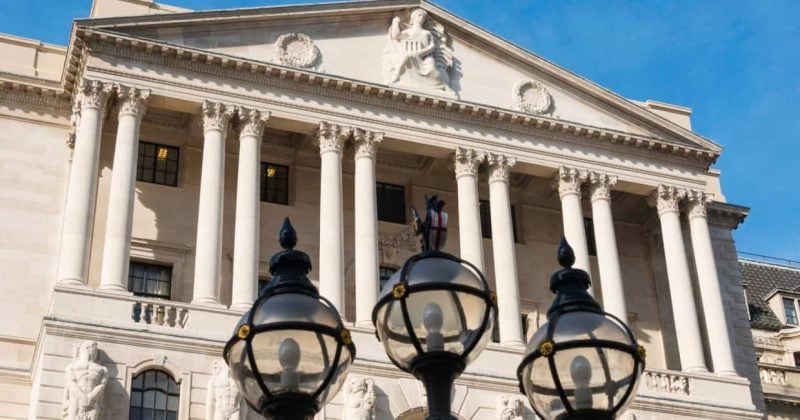
Via kingdom.bank
Bank of England holds interest rates at 3.75% in first decision under Prime Minister Andy Burnham
The MPC voted to keep rates steady as inflation sits above target, but declining oil prices have cooled expectations for hikes
The Bank of England kept its benchmark interest rate unchanged at 3.75% on July 30, marking the first monetary policy decision since Andy Burnham became Prime Minister ten days earlier.
Inflation is running at 2.6%, meaningfully above the BoE’s 2% target, yet the Monetary Policy Committee decided the smart move was to sit tight.
Why the BoE chose to do nothing
The MPC voted 7-2 to hold rates, with only two members pushing for a hike to 4%. The main culprit behind above-target inflation has been disruptions to energy supplies from the Middle East, linked to the ongoing Iran conflict. Rising energy costs have filtered through the entire economy, pushing up prices for everything from groceries to manufacturing inputs.
But oil prices have actually been declining recently, and there has been growing optimism around potential ceasefires in the region. Those two factors have taken a lot of air out of the rate-hike narrative. Markets were pricing in a meaningful chance of the BoE tightening further; that probability has dropped considerably.
The Burnham factor
Andy Burnham took office on July 20 after being elected Labour leader unopposed on July 17. The BoE operates independently of the government, and the Bank’s independence has been a cornerstone of UK monetary policy since 1997. Burnham inherits an economy where inflation is above target and growth is uneven, with his early policy priorities focused on conventional fiscal matters.
The news moving money, markets, and the world—before your day starts.
Daily. Free. Join 34,000+ readers across crypto, finance, and policy.
The two dissenting MPC members who voted for a hike to 4% represent a hawkish minority that sees the current inflation overshoot as something that demands a more aggressive response. The majority, however, is betting that energy-related price pressures will ease as geopolitical conditions evolve.
What this means for investors
For crypto markets, the hold at 3.75% is a mild positive. Stable or declining interest rates tend to support risk assets, including Bitcoin and the broader digital asset space. There has been zero discussion of crypto or digital currencies in the context of this rate decision or Burnham’s early policy agenda.
The 2.6% inflation reading is still something to watch closely. If energy disruptions worsen or the Iran conflict escalates, those two dissenting hawks could become three or four. Conversely, if oil prices continue their downward trend and geopolitical tensions ease further, markets are starting to entertain the possibility of a cut later in 2026.
The rate stayed at 3.75%, and that was priced in. What matters next is whether August and September inflation prints move closer to 2% or drift further away.