
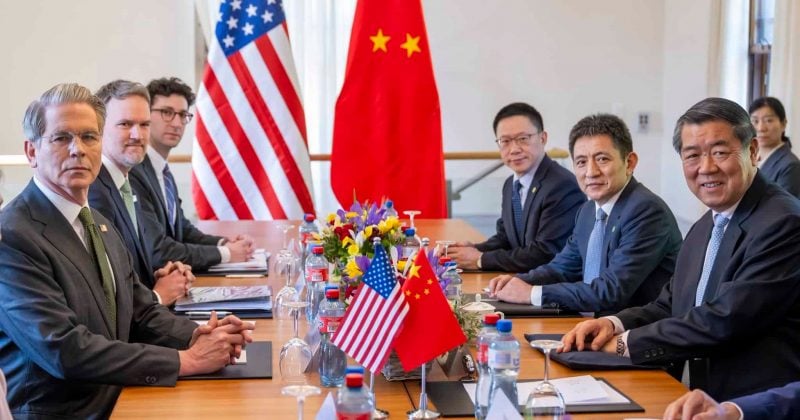
Beijing seeks feedback on proposed $30B China-US tariff cuts as Board of Trade framework takes shape
Both nations are opening public comment periods on tariff reductions for non-strategic goods, marking the first concrete step from the Trump-Xi meeting in May
China’s Commerce Ministry is soliciting public opinions on proposed tariff reductions covering roughly $30 billion in bilateral trade with the United States. The move mirrors a similar process already underway on the American side, where the US Trade Representative opened its own public comment period on June 2.
This is the first tangible policy action to emerge from the Board of Trade framework established during the Trump-Xi meeting in May. The $30 billion starting point is limited to non-strategic goods that won’t trigger national security debates on either side.
What’s actually on the table
The proposed cuts target non-strategic goods, including low-end consumer items, certain agricultural products, and select energy commodities. Products considered for tariff reductions must clear a specific bar: they cannot pose economic or national security risks. That means semiconductors, rare earth minerals, and advanced technology are firmly off the menu for now.
The US side has set a July 10 deadline for stakeholder feedback, giving American businesses about five weeks to weigh in on which products should qualify. Beijing’s parallel consultation process signals that China isn’t just passively waiting for Washington to decide the terms.
The Board of Trade, explained
The Board of Trade is a new institutional mechanism that emerged from the May 2026 meeting between President Trump and President Xi. It’s designed to create a structured channel for managed trade discussions. The framework represents an attempt to unwind years of tariff escalation that began during Trump’s first term and persisted through the Biden administration.
Macro, rates, and crypto—what moved markets and what matters next.
Daily. Free. Join 34,000+ readers across crypto, finance, and policy.
The Chinese Commerce Ministry’s expressed support for ongoing discussions is notable because Beijing has historically been reluctant to engage in processes that appear to be dictated by Washington. The parallel comment periods suggest a more symmetrical negotiation dynamic than what characterized earlier rounds of trade talks.
What this means for markets and crypto investors
Neither the US nor Chinese proposals reference digital assets, blockchain technology, or anything adjacent to the crypto ecosystem.
During the height of US-China trade wars in 2018 and 2019, Bitcoin exhibited notable price movements around major tariff announcements. The relationship between trade policy and crypto market sentiment has been established as something worth monitoring.
The public comment period runs through July 10, and reciprocal Chinese actions would need to follow before any tariffs actually change. The Phase One agreement from January 2020 was supposed to be transformative. It wasn’t.