
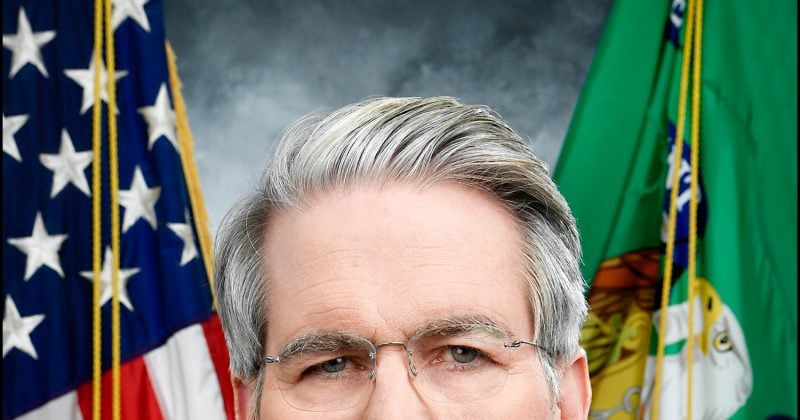
Via home.treasury.gov
Treasury Secretary Bessent says core inflation is cooling, and the Fed should take note
US core CPI dropped to 2.6% year-over-year in June, and Scott Bessent wants the Federal Reserve to respond with rate cuts
Scott Bessent has a message for anyone worried about inflation: look past the headlines. The US Treasury Secretary, confirmed to his role in January 2025, has been making the rounds arguing that core inflation, the kind that strips out volatile energy prices, is moving in the right direction.
His remarks come as broader economic anxieties swirl around geopolitical tensions and energy market volatility. Bessent’s position, stated plainly at a cabinet meeting and in a Fox Business interview, is that the noise in headline inflation numbers is just that: noise.
What the numbers actually show
US core consumer price index, which excludes both food and energy, fell to 2.6% year-over-year in June 2026, down from 2.9% in May 2026. That is a meaningful move in a single month, and it came in below what markets were expecting.
Bessent has also pointed to service inflation as a category to watch, noting it is also on a downward trajectory. When service inflation starts declining, it usually signals something more durable than a one-month blip.
The Treasury Secretary has been explicit: he expects core measures to continue easing, even with external pressures, including tensions related to Iran, weighing on headline energy costs. His confidence rests on the idea that those external factors are temporary, not structural.
The news moving money, markets, and the world—before your day starts.
Daily. Free. Join 34,000+ readers across crypto, finance, and policy.
Bessent wants rate cuts, and he is not shy about it
Bessent has publicly urged the Federal Reserve to cut interest rates, framing lower rates as a tool for sustaining economic growth. The argument goes like this: if core inflation is already trending toward target levels, holding rates at elevated levels is essentially tapping the brakes on an economy that no longer needs them.
The Fed, currently chaired by Kevin Warsh, has maintained a cautious stance through much of this cycle. Bessent’s public commentary is, in effect, a nudge: the data supports a move, so make it.
What this means for risk assets, including crypto
Bitcoin and broader digital asset markets have historically shown sensitivity to the interest rate environment. During the 2020 and 2021 period of near-zero rates, crypto markets saw extraordinary inflows. When the Fed began its aggressive hiking cycle in 2022, those markets contracted sharply.
Crypto markets now include significant institutional participation through spot Bitcoin ETFs and other regulated products, making them more tightly coupled to macro conditions than they were five years ago. The research context notes that potential impacts on these markets from Bessent’s economic statements would occur indirectly through changes in interest rates and shifts in investor risk appetite, with no direct connection drawn by Bessent himself between his remarks and digital assets.
Investors watching this dynamic should pay close attention to the gap between headline and core CPI in coming months. A widening gap would suggest energy is the culprit, supporting Bessent’s thesis. A narrowing gap, especially if core starts re-accelerating, would undercut the rate-cut argument.