
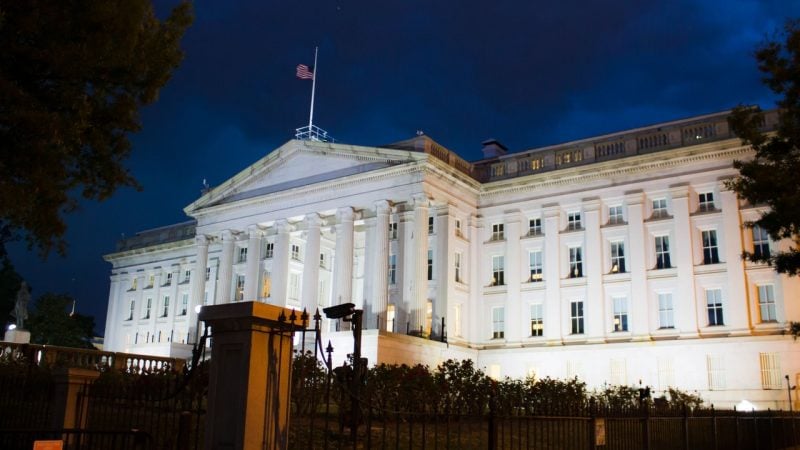
Photo: Thuan Vo / Pexels
Bessent says energy prices, mortgages and yields will ease once the Iran conflict ends
The Treasury Secretary blames an energy shock tied to the Strait of Hormuz and expects relief when shipping reopens, without saying when that will be
US Treasury Secretary Scott Bessent has a message for anyone wincing at the gas pump or a mortgage quote: the pain is temporary. Once the US-Iran conflict wraps up, he says, energy costs, home loan rates and bond yields should all head back toward normal.
The catch is the word “once.” Bessent did not offer a timeline for when the fighting might end. That leaves markets holding an optimistic forecast with no expiration date.
What Bessent is actually arguing
Bessent’s core diagnosis is that today’s financial strain is mostly an energy shock. It is not, in his framing, a sign that the broader economy is breaking down.
The shock centers on the Strait of Hormuz, a narrow shipping lane that a large share of the world’s oil has to pass through.
According to Bessent, reopening the strait is the key that unlocks everything else. When supply flows again, he expects oil prices to fall, and he has floated a range of $40-50 per barrel as a potential landing zone after the conflict concludes.
He also put some numbers on the current inflation picture. Speaking on October 6, 2026, Bessent said headline inflation was approximately 3.5%, while core inflation sat at around 2.3%.
The gap between those two figures does a lot of work for his argument. Headline inflation includes volatile items like fuel, while core strips them out. A wide spread suggests energy is doing most of the damage, which is exactly the case Bessent is making.
Where the pressure is showing up
The conflict has now run for more than eight months as of October 2026, and the strain is visible across several markets at once.
Domestic gas prices were about $4.10 per gallon in late August 2026 and have hovered around $4 per gallon since.
Macro, rates, and crypto—what moved markets and what matters next.
Daily. Free. Join 34,000+ readers across crypto, finance, and policy.
Bond markets are feeling it too. Yields on 10-year Treasury notes have climbed to their highest levels in years during the conflict.
That matters well beyond Wall Street. The 10-year yield acts as a reference point for a lot of borrowing costs, which is why Bessent tied mortgage rates into the same forecast.
Washington has also been squeezing Iran’s economy directly. Operation Economic Outcast was announced on August 24, 2026, targeting over 60 entities and individuals associated with Iran.
The program relies on secondary sanctions. In plain terms, it penalizes third parties that do business with Iran, not just Iran itself, which raises the cost of helping Tehran sell its oil.
Notably for this audience, the sanctions reach into digital assets alongside shipping and other sectors. That signals Treasury is watching crypto rails as a possible route for moving money around restrictions, and is treating them as part of the enforcement perimeter rather than an afterthought.
Bessent claims the campaign is working. He says Iran exported zero crude oil in September 2026, which he attributes directly to the sanctions.
The domestic fallout in Iran appears severe. The rial has dropped to record lows, a sign of deep economic distress inside the country.
The tension at the heart of the forecast
There is an awkward balancing act baked into this picture. The US is deliberately choking off Iranian oil revenue while also hoping that energy prices for American consumers come down.
Bessent’s answer is sequencing. Pressure Iran now, absorb the energy shock in the meantime, and then reap lower prices once the Strait of Hormuz reopens and supply recovers.
What this means for markets
For the crypto sector, the sanctions program is the more concrete story. Operation Economic Outcast explicitly covers digital assets, so exchanges, stablecoin issuers and other service providers face added compliance stakes around any activity linked to the more than 60 targeted entities and individuals.
What to watch next: any movement on reopening the Strait of Hormuz, the next inflation prints, and the 10-year Treasury yield.