
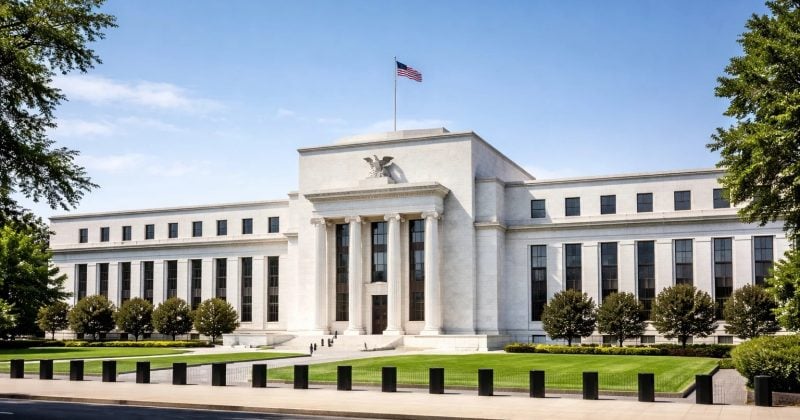
Big Tech’s $1T AI spending raises Fed inflation concerns amid Trump policy debate

https://www.thehotelwashington.com/washington-dc-travel-guide/federal-reserve-building-in-washington-dc

Big Tech’s $1T AI spending raises Fed inflation concerns amid Trump policy debate

Largest company by market cap on July 31, 2026

Big Tech companies have collectively spent over a trillion dollars on artificial intelligence development, causing Federal Reserve policymakers to express concern about potential inflationary pressures. This massive investment in AI infrastructure, including data centers and chips, is believed to be contributing to rising costs in related sectors. Despite Federal Reserve Governor Kevin Warsh’s hawkish remarks, there is skepticism in the market about his willingness to oppose President Trump’s stance on interest rates. This situation is leading to debates among policymakers regarding whether AI-driven demand is causing temporary price increases or more persistent inflation.

Advertisement

Key Takeaways

  • Market activity suggests skepticism about Kevin Warsh’s willingness to contradict President Trump’s economic policies.
  • Concerns over Big Tech’s AI spending and its inflationary impact appear to be influencing market views on Federal Reserve actions.
  • The current pricing of Tesla’s market cap reflects expectations of potential regulatory or economic shifts driven by AI-related spending.

What to Watch

Federal Reserve statements or policy adjustments in response to persistent inflation concerns will be crucial. Additionally, any significant announcements from Big Tech companies regarding AI investments and developments could further influence market perceptions. Observers should also monitor Kevin Warsh’s public comments for indications of potential policy shifts or alignments with the administration’s economic strategies.

Get live prediction-market analysis, powered by Vera. Sign up for Vera.

Disclosure: This article was edited by Estefano Gomez. For more information on how we create and review content, see our Editorial Policy.

Big Tech’s $1T AI spending raises Fed inflation concerns amid Trump policy debate

Big Tech’s $1T AI spending raises Fed inflation concerns amid Trump policy debate

Largest company by market cap on July 31, 2026

https://www.thehotelwashington.com/washington-dc-travel-guide/federal-reserve-building-in-washington-dc

Big Tech companies have collectively spent over a trillion dollars on artificial intelligence development, causing Federal Reserve policymakers to express concern about potential inflationary pressures. This massive investment in AI infrastructure, including data centers and chips, is believed to be contributing to rising costs in related sectors. Despite Federal Reserve Governor Kevin Warsh’s hawkish remarks, there is skepticism in the market about his willingness to oppose President Trump’s stance on interest rates. This situation is leading to debates among policymakers regarding whether AI-driven demand is causing temporary price increases or more persistent inflation.

Advertisement

Key Takeaways

  • Market activity suggests skepticism about Kevin Warsh’s willingness to contradict President Trump’s economic policies.
  • Concerns over Big Tech’s AI spending and its inflationary impact appear to be influencing market views on Federal Reserve actions.
  • The current pricing of Tesla’s market cap reflects expectations of potential regulatory or economic shifts driven by AI-related spending.

What to Watch

Federal Reserve statements or policy adjustments in response to persistent inflation concerns will be crucial. Additionally, any significant announcements from Big Tech companies regarding AI investments and developments could further influence market perceptions. Observers should also monitor Kevin Warsh’s public comments for indications of potential policy shifts or alignments with the administration’s economic strategies.

Get live prediction-market analysis, powered by Vera. Sign up for Vera.

Disclosure: This article was edited by Estefano Gomez. For more information on how we create and review content, see our Editorial Policy.