
Brent crude oil price rises to $108.34 per barrel on September 16

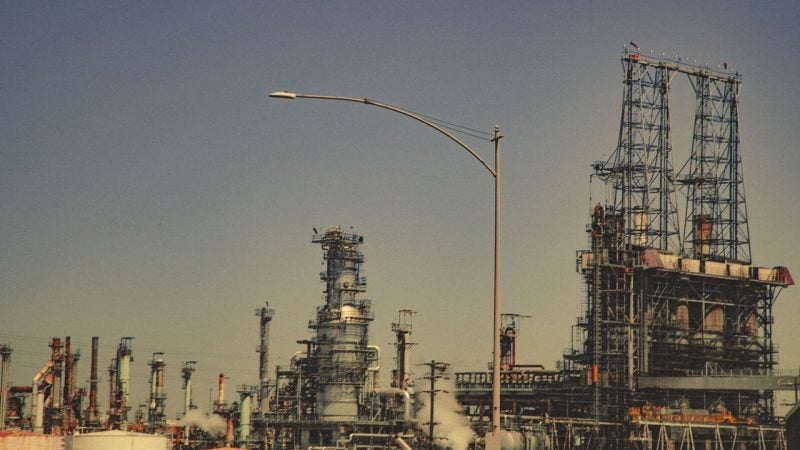
Photo: Ali Mucci / Pexels

Brent crude oil price rises to $108.34 per barrel on September 16

Geopolitical shocks and a shuttered Saudi pipeline push oil to levels not seen since last year's lows, with analysts warning of further gains ahead

Brent crude opened September 16 at $108.34 per barrel, up $1.77 from the previous morning and sitting roughly $40 above where it traded at the same point last year. Brent has climbed more than 50% from its summer lows, a pace that makes the current level feel less like a spike and more like a repricing.

What pushed oil to $108

The single biggest supply shock in recent weeks has been the closure of Saudi Arabia’s East-West pipeline, a critical artery that moves oil from the country’s Eastern Province to export terminals on the Red Sea. Houthi forces struck the infrastructure, forcing a halt to exports that would normally flow through that route.

Advertisement

The broader context is an escalating US-Iran conflict that has made tanker transit in the region genuinely hazardous. Attacks on vessels have added a risk premium to every barrel moving through contested waters, and that premium is now baked into the global benchmark price.

Analysts tracking the situation project that every additional month of supply disruption at current severity could add $7 to $8 per barrel to Brent prices.

The inventory number that offered brief relief

US crude inventories rose by 7.1 million barrels in the most recent weekly report, a build that came in larger than most market participants had anticipated. The market largely shrugged at the number. When a bullish data point fails to move a market lower, it usually means the prevailing force is strong enough to absorb the counterargument. The 7.1 million barrel build cushioned sentiment at the margins but did not change the underlying calculus around Middle East supply risk.

Why this matters beyond the pump

For central banks that have spent the better part of two years trying to bring inflation under control, a sustained oil price surge is an uncomfortable development. Energy prices have an outsized influence on headline inflation figures, and a move of this magnitude forces policymakers to decide whether to treat it as a transitory shock or a persistent input into their models.

The key variable that traders will be watching most closely is whether the East-West pipeline comes back online and on what timeline. A rapid restoration of Saudi export capacity could bring prices down meaningfully. A prolonged outage, or further escalation that targets additional infrastructure, would likely validate the analyst projections pointing toward $115 or higher within the next month.

Disclosure: This article was edited by Editorial Team. For more information on how we create and review content, see our Editorial Policy.
Brent crude oil price rises to $108.34 per barrel on September 16

Geopolitical shocks and a shuttered Saudi pipeline push oil to levels not seen since last year's lows, with analysts warning of further gains ahead

Photo: Ali Mucci / Pexels

Brent crude opened September 16 at $108.34 per barrel, up $1.77 from the previous morning and sitting roughly $40 above where it traded at the same point last year. Brent has climbed more than 50% from its summer lows, a pace that makes the current level feel less like a spike and more like a repricing.

What pushed oil to $108

The single biggest supply shock in recent weeks has been the closure of Saudi Arabia’s East-West pipeline, a critical artery that moves oil from the country’s Eastern Province to export terminals on the Red Sea. Houthi forces struck the infrastructure, forcing a halt to exports that would normally flow through that route.

Advertisement

The broader context is an escalating US-Iran conflict that has made tanker transit in the region genuinely hazardous. Attacks on vessels have added a risk premium to every barrel moving through contested waters, and that premium is now baked into the global benchmark price.

Analysts tracking the situation project that every additional month of supply disruption at current severity could add $7 to $8 per barrel to Brent prices.

The inventory number that offered brief relief

US crude inventories rose by 7.1 million barrels in the most recent weekly report, a build that came in larger than most market participants had anticipated. The market largely shrugged at the number. When a bullish data point fails to move a market lower, it usually means the prevailing force is strong enough to absorb the counterargument. The 7.1 million barrel build cushioned sentiment at the margins but did not change the underlying calculus around Middle East supply risk.

Why this matters beyond the pump

For central banks that have spent the better part of two years trying to bring inflation under control, a sustained oil price surge is an uncomfortable development. Energy prices have an outsized influence on headline inflation figures, and a move of this magnitude forces policymakers to decide whether to treat it as a transitory shock or a persistent input into their models.

The key variable that traders will be watching most closely is whether the East-West pipeline comes back online and on what timeline. A rapid restoration of Saudi export capacity could bring prices down meaningfully. A prolonged outage, or further escalation that targets additional infrastructure, would likely validate the analyst projections pointing toward $115 or higher within the next month.

Disclosure: This article was edited by Editorial Team. For more information on how we create and review content, see our Editorial Policy.