
Brent crude oil prices surge above $107 per barrel after Houthi attack on Saudi military site

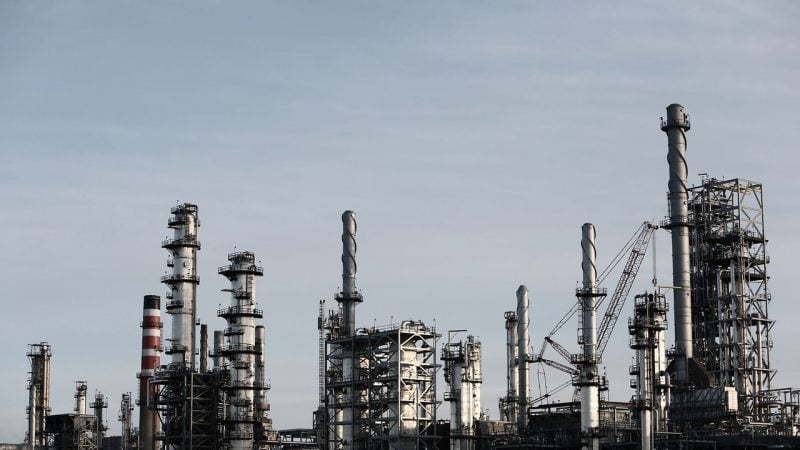
Photo: Life Of Pix / Pexels

Brent crude oil prices surge above $107 per barrel after Houthi attack on Saudi military site

US benchmark WTI crude also climbed past $95 as escalating Middle East tensions threaten critical global shipping routes and energy supply chains.

Brent crude oil blew past $107 per barrel after Houthi forces struck a Saudi military site, sending energy markets into a fresh round of anxiety over supply disruptions in one of the world’s most important oil corridors. US benchmark West Texas Intermediate climbed above $95 in tandem, marking yet another escalation in a pricing trend that has been building for months.

What happened and why it matters

Houthi forces claimed responsibility for the strike on a Saudi military site, framing it as retaliation for ongoing Saudi military actions in Yemen. Saudi officials reported multiple casualties and fires resulting from drone and missile strikes on energy sites, with dozens of injuries and significant damage to facilities.

Back in July 2026, Brent crude crossed the $100 mark for the first time since May after Houthi strikes hit Saudi tankers operating in the Red Sea. A subsequent naval blockade only intensified supply fears. The September attack pushed prices even further, with Brent reaching approximately $107.6 per barrel around September 11.

Advertisement

The Bab el-Mandeb Strait and Red Sea route handle roughly 5% to 15% of global maritime trade, including a substantial share of global oil flows. When that corridor gets dangerous, the ripple effects show up in shipping insurance premiums, rerouting costs, and ultimately at the gas pump in countries thousands of miles away.

The escalation pattern

Saudi authorities have described the damage from the early September strikes as significant. The Houthis have signaled no intention of stopping, with their stated rationale tying the attacks to Saudi military operations in Yemen.

Goldman Sachs has forecast that Brent could average $100 next year, with the potential to exceed $120 in the fourth quarter of 2027 if supply disruptions persist at current levels.

Market implications and what to watch

Asian energy markets are particularly exposed. The Red Sea route is a critical artery for oil shipments heading east, and any sustained disruption forces tankers to reroute around the Cape of Good Hope, adding weeks and significant cost to each voyage. Countries like India, South Korea, and Japan, which are heavily dependent on Middle Eastern crude imports, face the most direct impact on their energy bills.

Investors and market watchers should keep a close eye on two things: the frequency of Houthi operations over the coming weeks, and any changes to naval security arrangements in the Red Sea corridor. If major maritime powers escalate their naval presence, it could stabilize shipping routes. If they don’t, the insurance and rerouting costs baked into current prices are likely here to stay.

Disclosure: This article was edited by Editorial Team. For more information on how we create and review content, see our Editorial Policy.
Brent crude oil prices surge above $107 per barrel after Houthi attack on Saudi military site

US benchmark WTI crude also climbed past $95 as escalating Middle East tensions threaten critical global shipping routes and energy supply chains.

Photo: Life Of Pix / Pexels

Brent crude oil blew past $107 per barrel after Houthi forces struck a Saudi military site, sending energy markets into a fresh round of anxiety over supply disruptions in one of the world’s most important oil corridors. US benchmark West Texas Intermediate climbed above $95 in tandem, marking yet another escalation in a pricing trend that has been building for months.

What happened and why it matters

Houthi forces claimed responsibility for the strike on a Saudi military site, framing it as retaliation for ongoing Saudi military actions in Yemen. Saudi officials reported multiple casualties and fires resulting from drone and missile strikes on energy sites, with dozens of injuries and significant damage to facilities.

Back in July 2026, Brent crude crossed the $100 mark for the first time since May after Houthi strikes hit Saudi tankers operating in the Red Sea. A subsequent naval blockade only intensified supply fears. The September attack pushed prices even further, with Brent reaching approximately $107.6 per barrel around September 11.

Advertisement

The Bab el-Mandeb Strait and Red Sea route handle roughly 5% to 15% of global maritime trade, including a substantial share of global oil flows. When that corridor gets dangerous, the ripple effects show up in shipping insurance premiums, rerouting costs, and ultimately at the gas pump in countries thousands of miles away.

The escalation pattern

Saudi authorities have described the damage from the early September strikes as significant. The Houthis have signaled no intention of stopping, with their stated rationale tying the attacks to Saudi military operations in Yemen.

Goldman Sachs has forecast that Brent could average $100 next year, with the potential to exceed $120 in the fourth quarter of 2027 if supply disruptions persist at current levels.

Market implications and what to watch

Asian energy markets are particularly exposed. The Red Sea route is a critical artery for oil shipments heading east, and any sustained disruption forces tankers to reroute around the Cape of Good Hope, adding weeks and significant cost to each voyage. Countries like India, South Korea, and Japan, which are heavily dependent on Middle Eastern crude imports, face the most direct impact on their energy bills.

Investors and market watchers should keep a close eye on two things: the frequency of Houthi operations over the coming weeks, and any changes to naval security arrangements in the Red Sea corridor. If major maritime powers escalate their naval presence, it could stabilize shipping routes. If they don’t, the insurance and rerouting costs baked into current prices are likely here to stay.

Disclosure: This article was edited by Editorial Team. For more information on how we create and review content, see our Editorial Policy.