
US Central Command redirects 6 vessels as Iran naval blockade resumes, rattling oil and crypto markets

US Central Command redirects 6 vessels as Iran naval blockade resumes, rattling oil and crypto markets

The renewed military enforcement in the Strait of Hormuz is sending ripples through energy markets, and crypto traders are watching closely.

The US military is back to playing traffic cop in one of the world’s most important shipping lanes. US Central Command resumed enforcement of its naval blockade on Iranian ports on July 14, 2026, at 4 p.m. ET, and within the first 24 hours, six vessels had already been turned around or disabled.

What happened in the strait

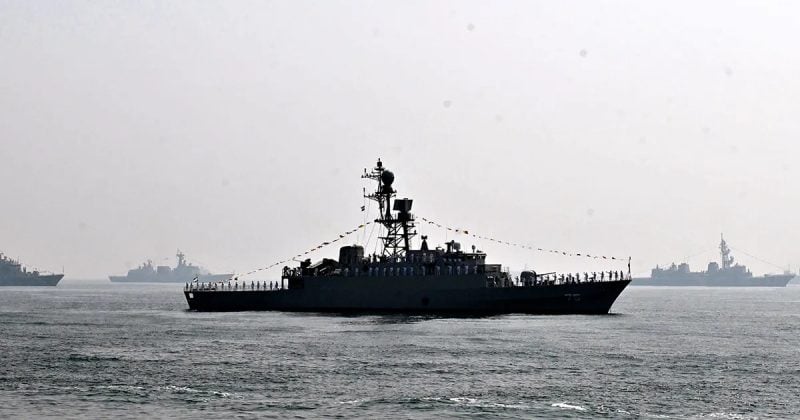
USS John Finn and other naval assets are actively patrolling the Arabian Gulf and the Strait of Hormuz, the narrow chokepoint through which roughly a fifth of the world’s oil supply passes on any given day.

On July 15, 2026, the Curacao-flagged oil tanker M/T Belma was struck by Hellfire missiles after failing to comply with redirection orders. Reports indicate that five vessels were redirected while one, the Belma, was disabled.

Advertisement

This is not a new posture. CENTCOM ran a previous phase of blockade enforcement from April 13 to June 18, 2026, during which over 140 compliant vessels were redirected and nine non-compliant vessels were disabled. The current resumption suggests that whatever diplomatic window existed between June and mid-July has now closed.

The oil-crypto connection

Oil price spikes function as a tax on the global economy. When energy costs rise, consumer spending contracts, corporate margins shrink, and central banks face pressure to either tolerate inflation or tighten monetary policy. During the first phase of the blockade from April to June, markets had time to partially price in the disruption. The resumption reintroduces uncertainty.

Proof-of-work mining operations, which consume significant electricity, face margin compression when energy prices climb. Bitcoin miners operating on thin margins in regions with oil-linked electricity pricing could see profitability deteriorate quickly if the blockade persists and oil prices respond accordingly.

What crypto investors should watch

The immediate variable to monitor is crude oil pricing. Any sustained move above recent ranges would signal that the blockade is meaningfully constraining Iranian oil exports, which would cascade through energy markets and eventually into broader risk asset pricing.

Third, watch for any signs of further escalation. The jump from redirecting compliant vessels to firing Hellfire missiles at non-compliant tankers is significant. If Iran retaliates, whether through its own naval actions, proxy attacks, or cyber operations, the risk calculus changes dramatically.

Disclosure: This article was edited by Editorial Team. For more information on how we create and review content, see our Editorial Policy.

US Central Command redirects 6 vessels as Iran naval blockade resumes, rattling oil and crypto markets

US Central Command redirects 6 vessels as Iran naval blockade resumes, rattling oil and crypto markets

The renewed military enforcement in the Strait of Hormuz is sending ripples through energy markets, and crypto traders are watching closely.

The US military is back to playing traffic cop in one of the world’s most important shipping lanes. US Central Command resumed enforcement of its naval blockade on Iranian ports on July 14, 2026, at 4 p.m. ET, and within the first 24 hours, six vessels had already been turned around or disabled.

What happened in the strait

USS John Finn and other naval assets are actively patrolling the Arabian Gulf and the Strait of Hormuz, the narrow chokepoint through which roughly a fifth of the world’s oil supply passes on any given day.

On July 15, 2026, the Curacao-flagged oil tanker M/T Belma was struck by Hellfire missiles after failing to comply with redirection orders. Reports indicate that five vessels were redirected while one, the Belma, was disabled.

Advertisement

This is not a new posture. CENTCOM ran a previous phase of blockade enforcement from April 13 to June 18, 2026, during which over 140 compliant vessels were redirected and nine non-compliant vessels were disabled. The current resumption suggests that whatever diplomatic window existed between June and mid-July has now closed.

The oil-crypto connection

Oil price spikes function as a tax on the global economy. When energy costs rise, consumer spending contracts, corporate margins shrink, and central banks face pressure to either tolerate inflation or tighten monetary policy. During the first phase of the blockade from April to June, markets had time to partially price in the disruption. The resumption reintroduces uncertainty.

Proof-of-work mining operations, which consume significant electricity, face margin compression when energy prices climb. Bitcoin miners operating on thin margins in regions with oil-linked electricity pricing could see profitability deteriorate quickly if the blockade persists and oil prices respond accordingly.

What crypto investors should watch

The immediate variable to monitor is crude oil pricing. Any sustained move above recent ranges would signal that the blockade is meaningfully constraining Iranian oil exports, which would cascade through energy markets and eventually into broader risk asset pricing.

Third, watch for any signs of further escalation. The jump from redirecting compliant vessels to firing Hellfire missiles at non-compliant tankers is significant. If Iran retaliates, whether through its own naval actions, proxy attacks, or cyber operations, the risk calculus changes dramatically.

Disclosure: This article was edited by Editorial Team. For more information on how we create and review content, see our Editorial Policy.