
China trims US Treasuries while increasing gold holdings
Beijing's reserves strategy is quietly reshaping global bond markets and gold demand as it reduces dollar dependence
China has cut its US Treasury holdings to the lowest level since 2008, while simultaneously stacking gold at a pace that has now stretched into more than 17 consecutive months of buying.
By March 2026, China’s official Treasury position had dropped to around $652B, following a $41B single-month sale. That figure represents roughly half of what Beijing held at its 2013 peak of over $1.3T. A slight recovery to $659.3B by May suggests a pause rather than a reversal.
A very deliberate kind of selling
Since early 2025, China’s US debt portfolio has shrunk by approximately $109B, a drop of around 14% in just over a year. Zoom out further and the long-term trend is even starker: roughly 50% gone from the peak.
Chinese regulators have reportedly encouraged domestic banks to limit their exposure to US Treasuries, citing concentration risk.
The sales have accelerated against a backdrop of elevated US-China trade tensions, renewed tariff disputes, and an ongoing debate in Washington about the weaponization of dollar-based financial infrastructure. When the US froze Russian reserves in 2022, every central bank outside the Western alliance took note.
Macro, rates, and crypto—what moved markets and what matters next.
Daily. Free. Join 34,000+ readers across crypto, finance, and policy.
Gold is doing the heavy lifting
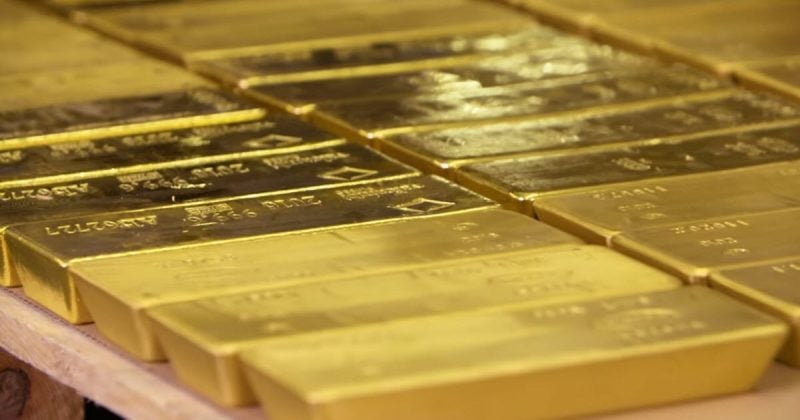
The People’s Bank of China now holds approximately 2,313 tonnes of gold, which accounts for roughly 9% of its total foreign exchange reserves. That buying streak has run for at least 17 to 18 consecutive months with no sign of stopping.
Gold does not pay interest. Beijing is explicitly accepting lower returns in exchange for assets that sit outside the US-controlled financial system. The PBOC’s 9% gold allocation is still well below the levels held by major Western central banks, which suggests room to keep buying.
What this means for markets
China remains one of the largest foreign holders of US Treasuries, so any sustained selling program carries real weight in the bond market. The $41B March sale was large enough to register. If that pace were to continue or accelerate, it would add meaningful upward pressure to Treasury yields at a time when US debt supply is already running historically high.
The more immediate watch item is whether China’s May uptick in Treasury holdings marks a genuine pause or simply a tactical rebalancing before the next leg lower. The long-term trend, a decade-plus of steady reduction from a $1.3T peak toward current levels around $659B, has been remarkably consistent regardless of which administration sits in Washington or Beijing.