
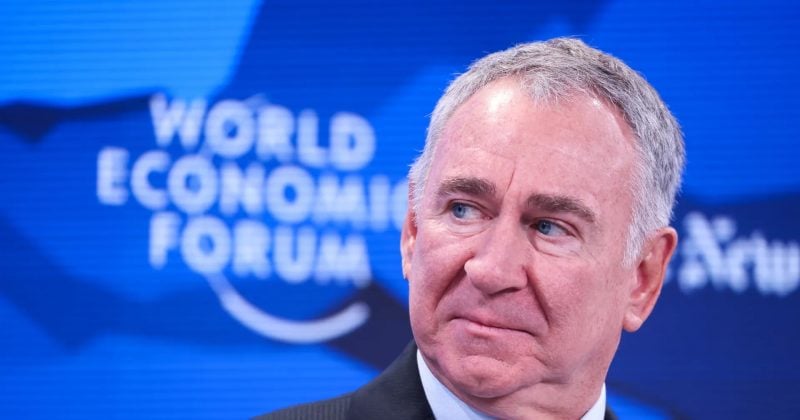
Via axios.com
Citadel’s flagship fund surges 6% in July after scooping up distressed AI portfolio at a discount
Ken Griffin's Wellington fund hit 12% year-to-date returns after buying roughly $16 billion in AI stocks from Leopold Aschenbrenner's collapsing Situational Awareness fund
When a $45 billion hedge fund implodes overnight, someone’s going to pick up the pieces. In this case, that someone was Ken Griffin.
Citadel’s Wellington multistrategy fund posted a 5.9% gain in July after acquiring a massive chunk of the public equity portfolio belonging to Situational Awareness, the AI-focused hedge fund run by former OpenAI researcher Leopold Aschenbrenner. The portfolio, valued at approximately $16 billion, was purchased at an estimated 10% discount during what amounted to an overnight fire sale.
The move pushed Wellington’s year-to-date return to 12%.
How Situational Awareness went from $45 billion to forced seller
Situational Awareness had grown to a peak of $45 billion in assets under management earlier in 2026.
A broad sell-off in AI infrastructure stocks hammered the fund’s leveraged positions, resulting in a staggering 67% drawdown. The margin pressure became untenable. Situational Awareness was forced to divest the majority of its public equities portfolio, which included significant positions in companies like SK Hynix, Bloom Energy, and CoreWeave. The fund retained its private investments, notably a stake in Anthropic, but the public book had to go.
AI, tech, and the markets they move—in one daily briefing.
Daily. Free. Join 34,000+ readers across crypto, finance, and policy.
The liquidation culminated in an overnight auction around July 30. Citadel stepped in as the buyer.
Citadel’s playbook for profiting from panic
A 10% haircut on a $16 billion portfolio means Citadel effectively got roughly $1.6 billion in immediate paper value just by showing up with liquidity when nobody else would. The 5.9% monthly return for Wellington suggests the acquired stocks started recovering almost immediately after the forced selling pressure was removed.
The crypto connection hiding in plain sight
Situational Awareness had previously held positions in Bitcoin-mining companies including IREN and Riot Platforms, firms that straddle the line between AI infrastructure and crypto mining.
By absorbing such a large portfolio from a forced seller, Citadel effectively removed a major source of downward pressure on AI stocks, an outcome market participants have interpreted as a stabilizing event that could help restore confidence in the sector.