
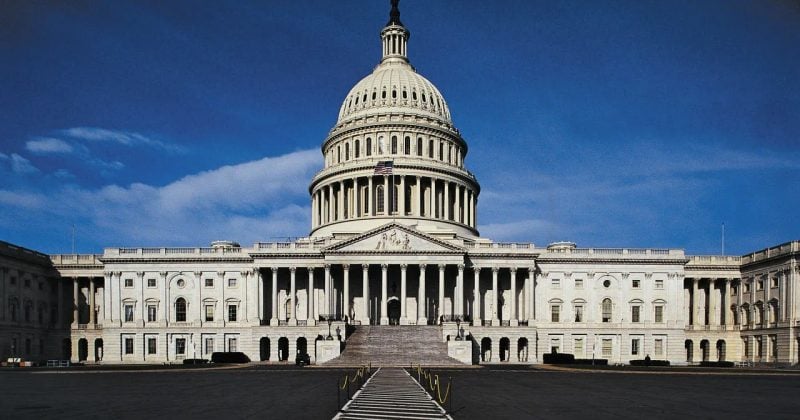
Democrats and Republicans meet to finalize crypto market structure bill
The CLARITY Act inches toward a Senate floor vote as bipartisan negotiations tackle ethics rules and stablecoin provisions
Something unusual is happening in Washington. Democrats and Republicans are actually sitting in the same room, working on the same piece of crypto legislation, and reportedly making progress. The CLARITY Act, formally known as the Digital Asset Market Clarity Act, is moving through bipartisan negotiations as lawmakers attempt to finalize a comprehensive regulatory framework for digital assets.
The bill cleared the Senate Banking Committee with a 15-9 vote in May 2026, but the real challenge lies ahead. To reach the Senate floor and survive a filibuster, the legislation needs 60 votes, which means a meaningful chunk of Democrats need to get on board beyond the two who already have.
Where things stand
The CLARITY Act’s journey has been a slow burn. The House passed an earlier version of the Digital Asset Market Clarity Act back in July 2025, and the Senate has been chewing on its own updated version ever since.
Updated bill text dropped on May 12, 2026, courtesy of key Republican senators, which kicked off an intense round of negotiations. Two days later, the Senate Banking Committee voted to advance it.
The bipartisan support, however, came with an asterisk. Only two Democrats, Sens. Ruben Gallego of Arizona and Angela Alsobrooks of Maryland, crossed the aisle to join Republicans in that committee vote. That’s enough to clear a committee. It’s nowhere near enough to clear a filibuster.
The sticking points
As negotiations have continued into mid-July 2026, three major issues remain unresolved.
First, ethics guidelines for public officials who hold digital assets. In English: lawmakers want rules about whether senators, representatives, and executive branch officials can own crypto while making policy about it.
The news moving money, markets, and the world—before your day starts.
Daily. Free. Join 34,000+ readers across crypto, finance, and policy.
Second, stablecoin yield provisions. The question of whether stablecoins can offer yield to holders, and how that yield gets regulated, sits at the intersection of banking law, securities law, and the DeFi ecosystem.
Third, law enforcement measures. This covers the tools and authorities that agencies would have to pursue illicit activity in digital asset markets. Democrats have historically pushed for stronger enforcement provisions, viewing them as a necessary counterweight to deregulation.
Why this bill matters
The crypto industry has been operating in a regulatory gray zone for years. The SEC and CFTC have been locked in a jurisdictional tug-of-war over which agency oversees what, and market participants have been left guessing which rules apply to them.
The CLARITY Act aims to resolve that ambiguity. Industry advocates see it as the most significant piece of digital asset legislation to reach this stage of the process, one that could establish clear jurisdictional boundaries between regulators and create a predictable framework for token classification.
The House’s passage of the earlier draft in July 2025 established momentum. The fact that active negotiations are ongoing as of mid-July 2026, rather than the bill gathering dust on someone’s desk, is notable given the history of prior crypto regulatory efforts stalling in committee.
What this means for investors
The stablecoin yield provisions deserve particular attention from market participants. How Congress handles this question could reshape the competitive landscape for stablecoin issuers and determine whether yield-bearing stablecoins become a mainstream financial product or get regulated into a niche category.
That said, the 60-vote threshold is a significant hurdle, and the unresolved issues around ethics and enforcement are exactly the kind of provisions that can derail negotiations at the last minute. Watching which additional Democrats signal openness to the legislation in the coming weeks will be the clearest leading indicator of whether this thing actually crosses the finish line.