
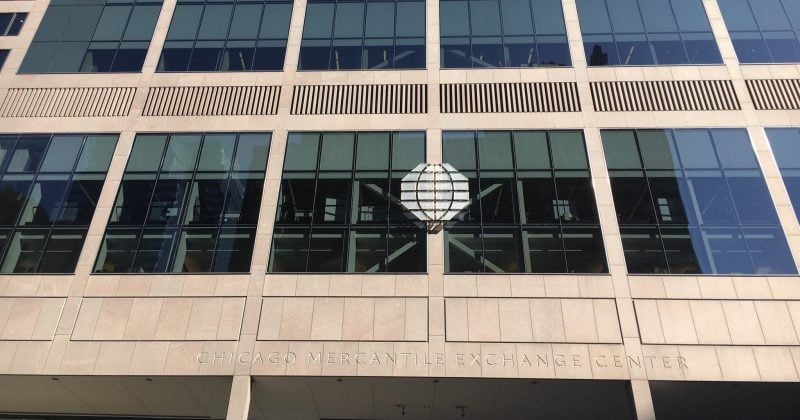
Via tripadvisor.com
CME Group reports rise in single stock futures liquidity with 50K contracts traded
The exchange's newly launched single stock futures are finding fast traction in tech names like Nvidia, Intel, and Amazon
CME Group’s freshly minted single stock futures just crossed a notable threshold. Over 50,000 contracts changed hands in a single session, with the bulk of activity concentrated in Nvidia, Intel, and Amazon. For a product that only went live on July 27, that’s a surprisingly energetic start.
Here’s the thing: the US tried single stock futures before. It didn’t go well. OneChicago, the previous venue for these instruments, shut down in 2020 because nobody showed up. CME is betting that this time, the conditions are different.
What CME actually launched
The product suite covers more than 50 major US equities, split across two tiers. There are 55 standard contracts, each representing 100 shares, and 22 micro contracts pegged to just 10 shares. The micro contracts are the interesting play here, essentially giving smaller traders a seat at the table without needing the capital to back a full-size position.
Every contract is cash-settled at the underlying stock’s closing price. You never have to take delivery of actual shares. You just settle the difference in cash.
Trading runs nearly 23 hours a day on CME’s Globex platform, interrupted only by a daily maintenance window.
The lineup includes Nvidia, Amazon, Intel, Apple, Meta, Tesla, and SpaceX.
The news moving money, markets, and the world—before your day starts.
Daily. Free. Join 34,000+ readers across crypto, finance, and policy.
Early trading patterns tell a story
The 50,000-contract session is the headline number, but the composition underneath is arguably more revealing. Trading activity has been heaviest in tech names, particularly the micro contracts for NVDA, INTC, and AMZN. That suggests retail participants are already finding their way to these instruments.
This tracks with broader trends at CME. The exchange’s equity futures average daily volume for 2026 has hit 7.2 million contracts, a 12% increase year-over-year. Open interest levels have also reached record territory.
Initial volumes are still modest in the grand scheme of CME’s equity derivatives complex. But the growth rate in technology names is outpacing everything else.
Why this time might be different
CME’s approach differs from OneChicago’s in several key ways. First, it’s limiting the product to highly liquid large-cap stocks rather than trying to cover the entire equity universe. That concentrates liquidity instead of fragmenting it. Second, the micro contract tier directly targets retail and smaller institutional traders who might have been priced out of OneChicago’s offerings.
What this means for investors
CME has been the institutional gateway for Bitcoin and Ether futures for years. The exchange’s expansion into single stock futures signals that it sees derivatives, broadly, as the future of market participation. The same infrastructure serving BTC futures is now serving NVDA futures.
Cash-settled futures require less upfront capital than buying the underlying stock. The ability to gain leveraged exposure to names like Nvidia or Amazon without tying up enormous sums is genuinely attractive.
There are risks, naturally. Leverage cuts both ways. A 10% move in Nvidia stock becomes a much larger swing in a futures position. And liquidity in a brand-new product can be fickle. The 50,000-contract session is encouraging, but sustained volumes over weeks and months will be the real test of whether CME has cracked a code that eluded OneChicago.