
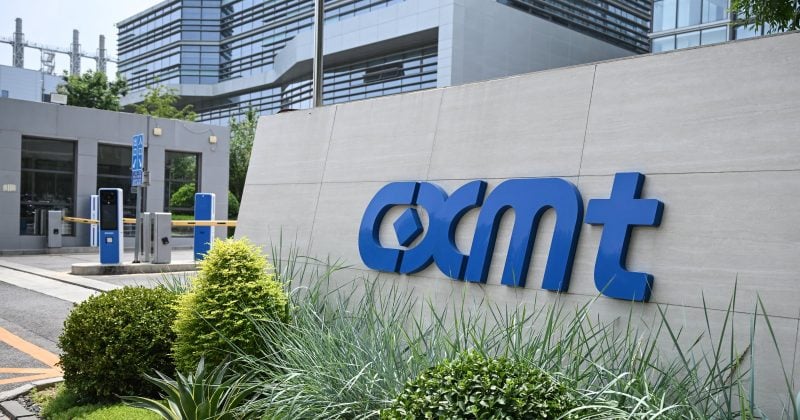
Analyst opinions on CXMT polarized amid memory chip volatility

Via independent.co.uk

Analyst opinions on CXMT polarized amid memory chip volatility

China's DRAM giant went public at a valuation that sent bulls and bears to opposite corners of the ring

ChangXin Memory Technologies made its stock market debut on the Shanghai STAR Market in late July 2026, and the market’s reaction was, to put it mildly, enthusiastic. Shares surged roughly 472% on the first day, closing around CNY 49. For a brief moment, CXMT was the most valuable publicly listed company in China.

The IPO raised approximately $10 billion, which is a serious amount of capital even by global standards. The problem is that almost nobody agrees on what happens next.

The bull and bear cases, side by side

Supporters of CXMT have a straightforward argument: the company is growing fast in a market that matters. CXMT’s share of the global DRAM market climbed from roughly 3% to 8% within a single year, placing it among the four largest DRAM producers in the world by Q1 2026.

Advertisement

That kind of market share gain reflects real capacity investment, domestic pricing power, and a client list that includes Huawei, one of China’s most strategically important technology companies.

The bears, however, are not persuaded. Morningstar placed a fair-value estimate on CXMT shares at CNY 16.10. The stock closed its first trading day at around CNY 49. In English: Morningstar thinks the market priced CXMT at roughly three times what it’s actually worth.

The skeptics point to a few specific concerns. Valuation multiples are stretched compared to global peers. Technological gaps relative to Samsung, SK Hynix, and Micron remain real, particularly at the leading edge of DRAM production. And U.S. export restrictions continue to limit CXMT’s access to the advanced tooling and software that would help it close those gaps faster.

Geopolitics as a permanent headwind

The U.S. Pentagon added CXMT to its 1260H military company blacklist, which is the same list that has historically created compliance headaches for companies doing business with designated firms. This is not a trading sanction by itself, but it raises the cost and complexity of any Western company maintaining a commercial relationship with CXMT.

Western chip equipment makers, software vendors, and materials suppliers all face increased legal and reputational exposure when working with a Pentagon-designated entity. That limits CXMT’s options for sourcing the inputs it needs to keep improving its technology.

What this means for investors watching the memory sector

CXMT’s explosive debut had a ripple effect beyond its own stock. Investors in the broader semiconductor space were forced to reconsider their positioning as capital shifted in response to the IPO. When a new entrant captures 8% of a global market in a year and then goes public at a triple-digit first-day gain, it changes the competitive calculus for everyone in that market.

The Morningstar fair-value estimate of CNY 16.10 is the number worth anchoring to when thinking about downside risk. A stock trading at roughly three times an independent analyst’s fair value requires the bullish scenario to play out almost perfectly. Any disappointment on the technology roadmap, any escalation in U.S. restrictions, or any softening in DRAM pricing would compress that multiple quickly.

Disclosure: This article was edited by Editorial Team. For more information on how we create and review content, see our Editorial Policy.

Analyst opinions on CXMT polarized amid memory chip volatility

Analyst opinions on CXMT polarized amid memory chip volatility

China's DRAM giant went public at a valuation that sent bulls and bears to opposite corners of the ring

Via independent.co.uk

ChangXin Memory Technologies made its stock market debut on the Shanghai STAR Market in late July 2026, and the market’s reaction was, to put it mildly, enthusiastic. Shares surged roughly 472% on the first day, closing around CNY 49. For a brief moment, CXMT was the most valuable publicly listed company in China.

The IPO raised approximately $10 billion, which is a serious amount of capital even by global standards. The problem is that almost nobody agrees on what happens next.

The bull and bear cases, side by side

Supporters of CXMT have a straightforward argument: the company is growing fast in a market that matters. CXMT’s share of the global DRAM market climbed from roughly 3% to 8% within a single year, placing it among the four largest DRAM producers in the world by Q1 2026.

Advertisement

That kind of market share gain reflects real capacity investment, domestic pricing power, and a client list that includes Huawei, one of China’s most strategically important technology companies.

The bears, however, are not persuaded. Morningstar placed a fair-value estimate on CXMT shares at CNY 16.10. The stock closed its first trading day at around CNY 49. In English: Morningstar thinks the market priced CXMT at roughly three times what it’s actually worth.

The skeptics point to a few specific concerns. Valuation multiples are stretched compared to global peers. Technological gaps relative to Samsung, SK Hynix, and Micron remain real, particularly at the leading edge of DRAM production. And U.S. export restrictions continue to limit CXMT’s access to the advanced tooling and software that would help it close those gaps faster.

Geopolitics as a permanent headwind

The U.S. Pentagon added CXMT to its 1260H military company blacklist, which is the same list that has historically created compliance headaches for companies doing business with designated firms. This is not a trading sanction by itself, but it raises the cost and complexity of any Western company maintaining a commercial relationship with CXMT.

Western chip equipment makers, software vendors, and materials suppliers all face increased legal and reputational exposure when working with a Pentagon-designated entity. That limits CXMT’s options for sourcing the inputs it needs to keep improving its technology.

What this means for investors watching the memory sector

CXMT’s explosive debut had a ripple effect beyond its own stock. Investors in the broader semiconductor space were forced to reconsider their positioning as capital shifted in response to the IPO. When a new entrant captures 8% of a global market in a year and then goes public at a triple-digit first-day gain, it changes the competitive calculus for everyone in that market.

The Morningstar fair-value estimate of CNY 16.10 is the number worth anchoring to when thinking about downside risk. A stock trading at roughly three times an independent analyst’s fair value requires the bullish scenario to play out almost perfectly. Any disappointment on the technology roadmap, any escalation in U.S. restrictions, or any softening in DRAM pricing would compress that multiple quickly.

Disclosure: This article was edited by Editorial Team. For more information on how we create and review content, see our Editorial Policy.