
Via americanbanker.com
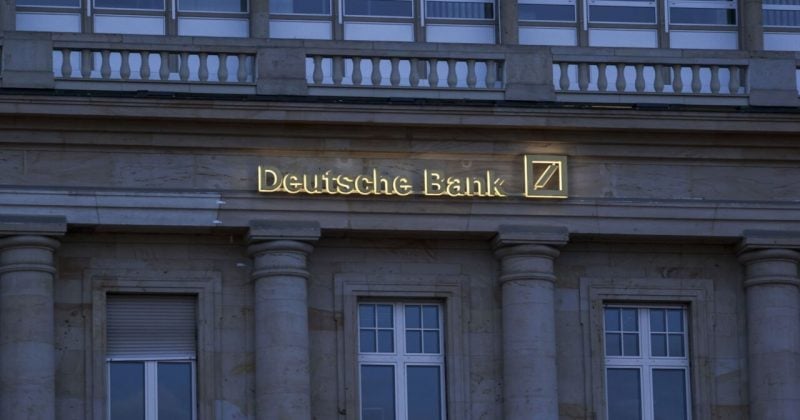
Deutsche Bank and UBS post massive profit jumps as European bank stocks hit post-crisis highs
Record earnings from two of Europe's largest banks underscore a sector-wide rally that has implications for capital flows, risk appetite, and the broader macro landscape crypto investors are watching.
Deutsche Bank just posted a record quarter. UBS grew core profits by 47%. And the index tracking European bank stocks is sitting at levels not seen since before Lehman Brothers became a cautionary tale.
The Q2 2026 earnings season for European lenders is shaping up as a blockbuster, with the two banking giants delivering numbers that would make most DeFi protocols jealous in terms of sheer dollar (and euro) volume.
The numbers behind the rally
Deutsche Bank reported a post-tax profit of €1.9 billion for Q2 2026, a record for the Frankfurt-based lender. Net revenues came in at €8.5 billion, up 9% year-over-year, while pre-tax profit hit €2.7 billion, an 11% increase from the same period last year.
UBS, meanwhile, posted a pre-tax profit of $3.6 billion, with underlying pre-tax profit reaching $3.9 billion. That underlying figure represents a 47% year-on-year jump. Net profit landed at $2.8 billion.
To put that UBS growth rate in perspective: a 47% annual increase in core profitability is the kind of number that gets whispered reverently in earnings calls. For a bank that spent the better part of 2023 and 2024 digesting the forced acquisition of Credit Suisse, it signals that the integration headaches are firmly in the rearview mirror.
Macro, rates, and crypto—what moved markets and what matters next.
Daily. Free. Join 34,000+ readers across crypto, finance, and policy.
The broader sector is moving in lockstep. The EURO STOXX Banks Index has doubled over the past two years and now trades at its highest level since 2007-2008. European banks were forecast to deliver an 11% year-on-year increase in Q2 pre-tax profits across the board, and the early reports suggest they’re meeting or beating that bar.
Why traditional bank profits matter for crypto markets
The primary driver behind these profit surges is the “higher for longer” interest rate environment. Elevated rates widen net interest margins, which is the spread between what banks earn on loans and what they pay on deposits.
The EURO STOXX Banks Index doubling in two years also tells a broader story about risk appetite in European markets. When investors are comfortable enough to pile into bank stocks, a sector that was practically radioactive for a decade after 2008, it suggests a macro environment where risk assets broadly benefit.
What this means for investors
The European banking rally creates a specific dynamic worth watching. Banks are now among the best-performing stocks in Europe, supported by improved capital returns and cost discipline.
The risk for the banking sector is that the same rate environment fueling their profits eventually tips economies into slower growth. Loan losses tend to lag rate hikes, and if European borrowers start struggling under elevated borrowing costs, today’s record profits could give way to tomorrow’s provision charges.