
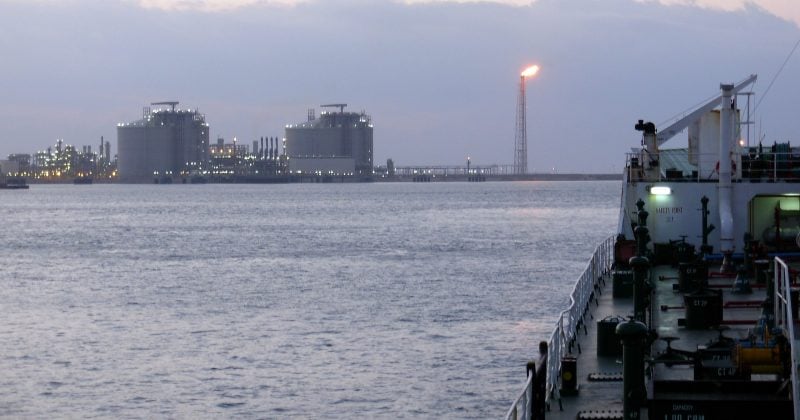
Photo: Tutku Çetinel / Wikimedia Commons / CC BY 3.0 (https://creativecommons.org/licenses/by/3.0)
Drone strike on LNG vessels at Egypt’s Damietta port signals rising risk to Mediterranean energy infrastructure
A confirmed drone attack on two gas carriers raises fresh concerns about maritime security and energy supply chain vulnerability in the Eastern Mediterranean.
On July 29, 2026, a drone struck the US-owned floating storage and regasification unit Energos Winter at Egypt’s Damietta port, sparking a fire that spread to the adjacent Bermuda-flagged vessel Gaslog Salem. Egypt’s cabinet confirmed the attack the following day, citing preliminary investigations that identified a drone as the cause.
No injuries were reported, and port officials contained the fire before it caused significant structural damage to the facility.
What actually happened at Damietta
Both vessels were actively engaged in liquefied natural gas transfer operations at the time of the strike. Maritime security analysis firm Ambrey was first to report the incident publicly, before Egyptian authorities issued their formal confirmation.
No group has claimed responsibility for the attack. Investigations are ongoing, and Egyptian officials have said they are intensifying protective measures around national energy infrastructure.
Damietta port sits on Egypt’s Mediterranean coast and serves as a key node in the country’s LNG import and export network.
The news moving money, markets, and the world—before your day starts.
Daily. Free. Join 34,000+ readers across crypto, finance, and policy.
The Energos Winter is a floating storage and regasification unit, which receives LNG, converts it back into gas, and feeds it into onshore pipelines. Both vessels were ultimately brought under control.
The broader picture: Eastern Mediterranean energy infrastructure under pressure
The Eastern Mediterranean and Red Sea have seen a pattern of escalating strikes on maritime energy infrastructure, with shipping companies and insurers already pricing elevated risk into routes through the region.
Egypt has been trying to position itself as a stable transit corridor for LNG, particularly as European buyers have scrambled to diversify away from Russian gas. A drone strike on one of its primary LNG facilities complicates that pitch, even if operations at Damietta were not ultimately disrupted in this instance.
What this means for energy markets and investors
For companies with exposure to Egyptian LNG infrastructure, either through vessel ownership, offtake agreements, or port operations, this is a material development. The Energos Winter is US-owned, which also introduces a geopolitical dimension that could draw Washington’s attention to the investigation, particularly if responsibility is eventually attributed to a state or non-state actor with existing US sanctions exposure.